


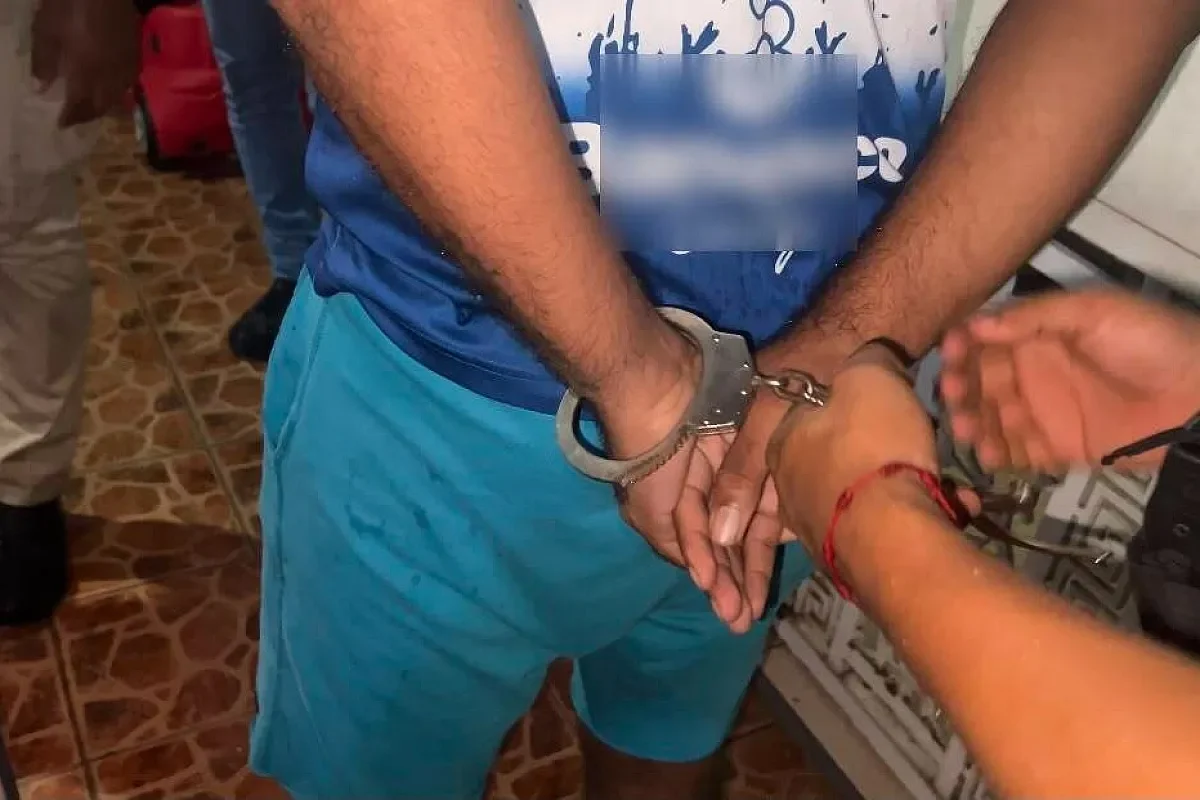
A smartphone stolen from Parque Porras in Las Tablas on February 14, 2026, quickly became far more than a petty offense. Within days, the victim discovered unauthorized online banking transfers that drained roughly $276,000 from an account. That single Panama cellphone theft set off a sweeping criminal investigation known as Operation Cenit, which ended with 14 people arrested for alleged financial crimes and money laundering.
The case began in Los Santos province but quickly outgrew its origins. Investigators from the Economic Order Crimes Section of the Metropolitan Prosecutor’s Office worked alongside the National Police’s Directorate of Judicial Investigation to trace the movement of money after the stolen device was used to access a bank account. Their work pointed to a broader network operating well beyond the quiet park where the phone was taken.
Panama Cellphone Theft Investigation Leads to Operation Cenit
After the victim reported the unauthorized transactions, prosecutors and police launched simultaneous operations under the Operation Cenit banner. The investigation focused on how a stolen phone could be used to breach online banking systems and move substantial sums in a short period. Authorities treated the episode not as isolated theft but as part of a possible organized scheme targeting digital financial accounts.
#Ahora| En la #OperaciónCenit, la Procuraduría General de la Nación, a través de su Sección de Delitos contra el Orden Económico del área Metropolitana con la @policiadepanama aprehenden, hasta el momento, a 13 personas, por la presunta comisión de delitos financieros y blanqueo. pic.twitter.com/7ZtGY2UxmI
— Procuraduría General de la Nación (@PGN_PANAMA) August 17, 2026
Early official communication indicated at least 13 people had been detained. The Attorney General’s Office described the effort on social media.
“In #OperationCenit, the Attorney General’s Office, through its Economic Order Crimes Section in the Metropolitan area with the National Police, has so far apprehended 13 people for alleged financial crimes and money laundering” [Translated from Spanish]
That number later rose to 14 as coordinated operations continued across multiple regions. The suspects now face legal scrutiny over their individual roles in what prosecutors describe as a financially motivated criminal enterprise.

Coordinated Raids Across Panama, Panama Oeste, and Colón
Search warrants were executed simultaneously in Panamá, Panamá Oeste, and Colón. The geographic spread surprised some observers because the initial theft occurred in Los Santos, a province far removed from the metropolitan areas where the arrests took place. Police secured homes, vehicles, and other locations linked to the suspects during the raids.
The operation highlighted a familiar pattern in modern financial crime, where a street-level offense such as phone theft connects to more sophisticated forms of fraud. Investigators recovered ammunition, credit and debit cards, banking documents, and various types of technological equipment. Each item, prosecutors said, could help establish how the network obtained access to accounts and moved stolen money without immediate detection.
Evidence Seized and Individual Legal Responsibility
Authorities made clear that the 14 detainees will not be treated as a single undifferentiated group. The Public Ministry said investigators must determine the presumed individual participation of each person arrested. Some may face charges tied directly to unauthorized transactions, while others could be linked to money laundering or supporting logistics.
Under Panamanian law, financial crimes and money laundering carry severe consequences, and prosecutors often use financial intelligence to build cases that link small thefts to larger criminal structures. The presence of ammunition alongside banking materials adds another dimension, suggesting the network may have relied on intimidation or had access to weapons. But those details will be clarified as formal charges are filed and evidence is presented in court.

What the Panama Cellphone Theft Case Reveals About Mobile Banking Risks
The incident serves as a stark reminder that mobile devices hold the keys to people’s financial lives. Banking apps, saved passwords, and authentication messages can turn a stolen phone into a powerful tool for draining accounts. The victim acted quickly by reporting the theft and the transactions, but the losses still reached into six figures before the investigation took shape.
Security experts consistently recommend using biometric locks, two-factor authentication, and remote wipe features to reduce damage when a phone is stolen. They also advise consumers to avoid storing full banking passwords on devices and to contact financial institutions immediately after a device goes missing. The Panama cellphone theft case shows that criminals are willing to combine old-fashioned street theft with modern digital banking manipulation.

Operation Cenit now stands as one of the more significant recent examples of Panamanian authorities connecting a single property crime to an alleged financial fraud network. Prosecutors will need to prove each suspect’s role, but the raids and arrests already signal a more aggressive approach to crimes that cross the boundary between petty theft and complex financial wrongdoing. As the case progresses through the courts, it may push banks, mobile providers, and consumers to rethink how digital banking credentials are protected.