


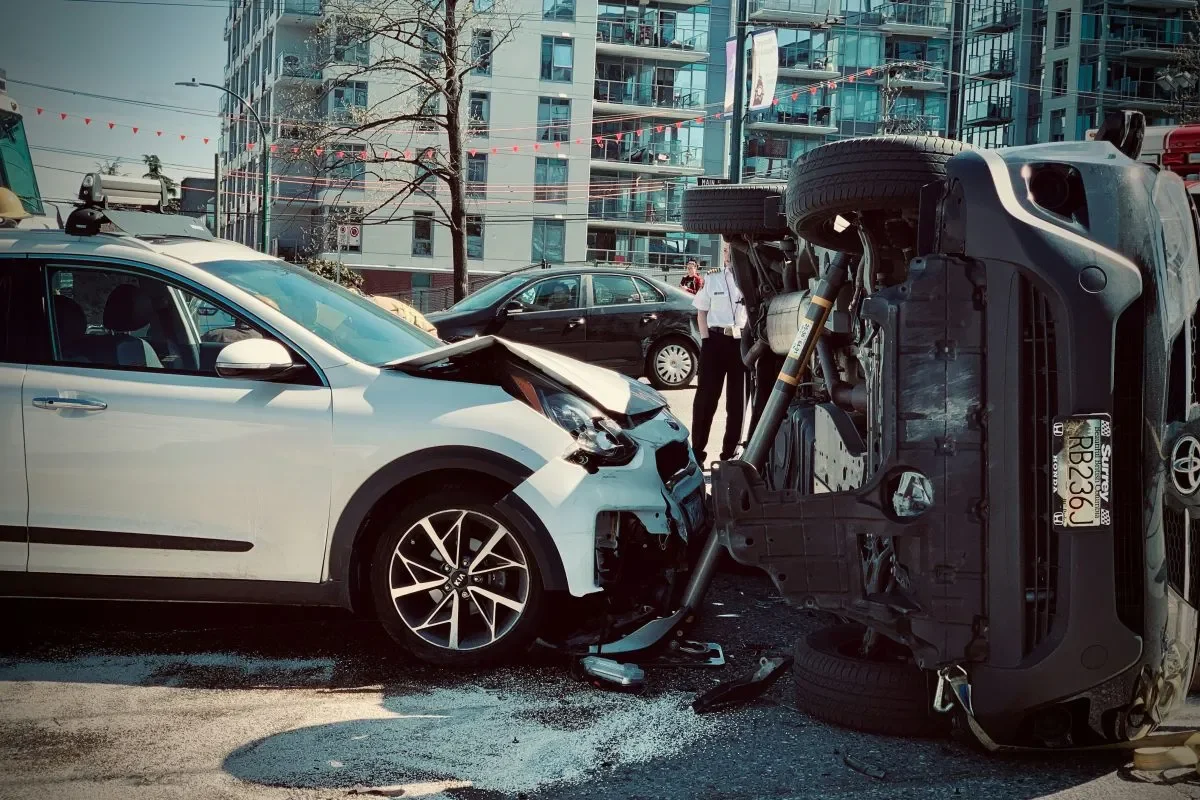
A fatal collision at the entrance to Alto de Los Lagos over the weekend has pushed Colon traffic deaths to 16 so far in 2026, according to the Land Transit and Transportation Authority. The agency, known as the ATTT, says the newest fatality fits a troubling pattern of alcohol use and driver negligence that continues to plague the province.
Weekend Crash Adds to Colon Traffic Deaths
The latest victim died in a crash at the Alto de Los Lagos entry point in Colon province. Regional transport officials were already monitoring a steady climb in fatal incidents, and the weekend collision made an already difficult stretch even worse. Colon is one of Panama’s busiest logistical corridors, with heavy cargo and passenger traffic moving through its roads every day.
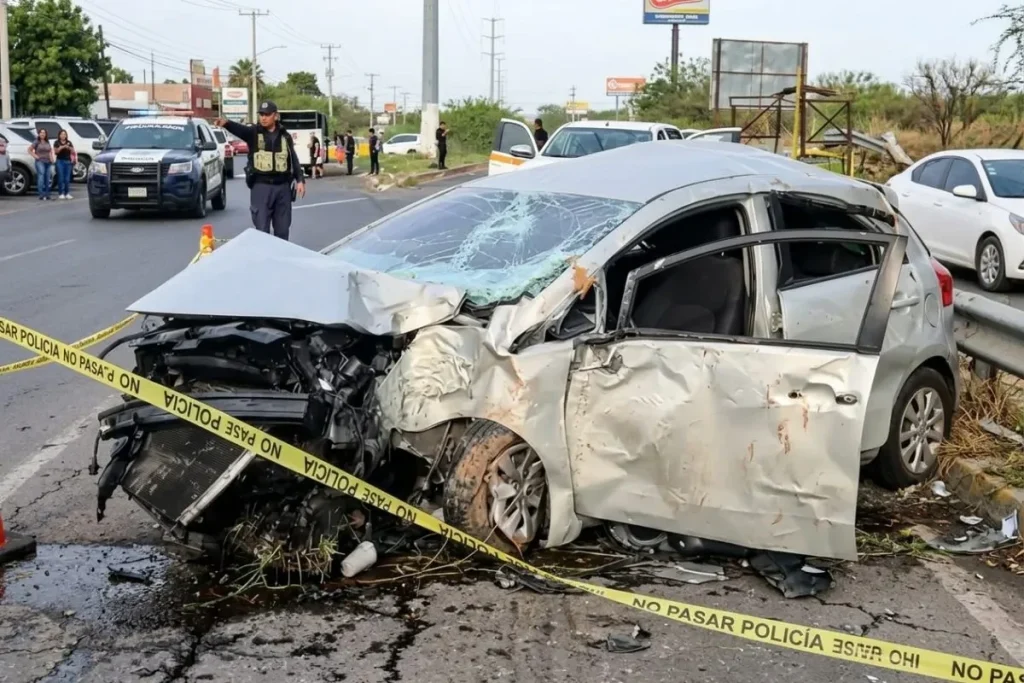
Humberto Harris, the ATTT regional director for Colon, said the middle of the year brought especially painful losses. July and August each recorded three traffic fatalities. That concentration of deaths has pushed the 2026 toll to 16, turning a local concern into a broader public safety emergency for the province.
Recurring Violations Expose a Disregard for Road Rules
The ATTT has tracked a number of common infractions among drivers in Colon. Many motorists are using cell phones and other technological devices while behind the wheel. Others are not wearing seat belts. Disobeying traffic signals remains another frequent problem, and officials say these behaviors create the conditions for serious collisions.
Some drivers have also been caught improperly using parking spaces reserved exclusively for people with disabilities. While that violation does not usually cause fatal accidents, authorities say it reflects a wider disregard for traffic regulations. That attitude, when carried onto the highway, becomes far more dangerous.
Alcohol and Fixed-Object Crashes Form a Deadly Pattern
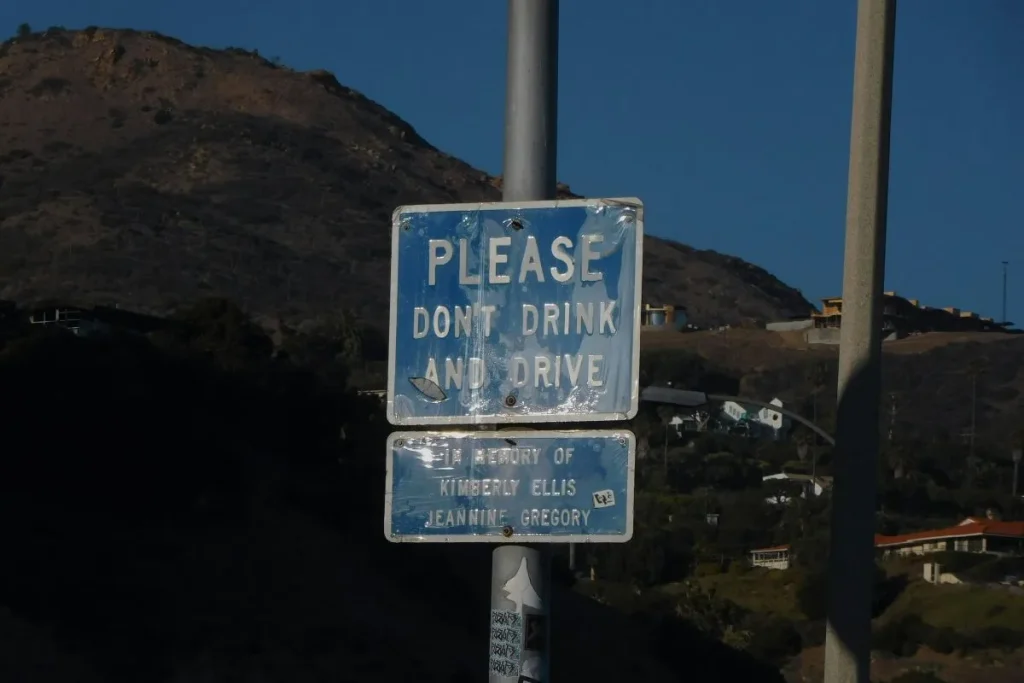
Harris pointed to a specific and recurring sequence in the most recent deaths. The last two fatal accidents involved vehicles crashing into fixed objects. Preliminary investigations in those cases suggested alcohol was present.
“The last two that we have had were collisions with fixed objects” [Translated from Spanish]
He explained that some drivers consume alcohol, lose control of their vehicles, leave the roadway and slam into poles or other structures. Authorities also attribute a portion of the accidents to drivers ignoring traffic signals and operating vehicles under the influence of alcohol.
That deadly combination is especially risky in Colon, where a busy port economy means highways often carry a mix of passenger cars, buses and cargo trucks. When an impaired driver loses control, the results can be catastrophic, not just for the driver but for others on the road.
Authorities Push for Behavior Change Across Colon
Faced with the rising number of Colon traffic deaths, the ATTT is urging drivers to change their habits immediately. Officials want motorists to put away cell phones and other devices while driving, fasten their seat belts and obey all traffic signals. They are also asking the public to stop treating parking violations as minor, since respect for all road rules starts with smaller decisions.
The agency stressed that driving after consuming alcohol remains a key dangerous choices a person can make. Harris and other officials are asking residents to take these warnings seriously. They know that enforcement alone cannot stop every crash, especially if drivers continue to make reckless decisions.
At the site of the latest collision, another family is mourning an avoidable loss. The toll in Colon is not just a number. It represents 16 people who did not survive trips that should have been routine. Until drivers commit to safer behavior, authorities fear the province will keep adding names to a list that is already far too long.