


The Panama dengue outbreak has reached a critical threshold, with more than 6,000 confirmed infections and 16 deaths now recorded nationwide. All four dengue serotypes are circulating at once across the country, and type 2 is generating the most severe complications among patients, according to Ricardo Torres Castillo, director of the Metropolitan Health Region.
Torres pointed to the Metropolitan Region as the epicenter of the crisis. It has logged 1,717 cases and two deaths so far. One fatality occurred in Tocumen, the other in Veracruz. The Veracruz victim was just 38 years old, a stark reminder that the virus can turn fatal in otherwise healthy adults.
Metropolitan Region Concentrates the Highest Case Numbers
Veracruz remains the hardest-hit corregimiento within the Metropolitan Region, with more than 600 confirmed cases. But there’s encouraging news. Targeted interventions slashed weekly new infections from roughly 150 per epidemiological week to fewer than 20, a drop of nearly 90 percent.
Tocumen sits in second place with around 200 cases for epidemiological week 31. Beyond the capital area, Colón and Panamá Oeste trail as the next most impacted regions nationwide.
Infections span a striking age range, from one-year-old infants to adults between 70 and 80. The heaviest burden, though, falls on people aged 18 to 60, meaning working-age adults face the greatest exposure.
Four Serotypes Drive the Panama Dengue Outbreak‘s Severity
The simultaneous presence of all four serotypes complicates both treatment and prevention efforts. Torres didn’t mince words about type 2’s impact.
“We currently have the four dengue serotypes in the country, dengue type 2 is the one generating the most complications at the patient level,” he said [Translated from Spanish]
Dengue can progress into severe, potentially fatal forms. The national death count reflects that grim reality.
“At the national level we have 16 deaths, which is not a minor number,” Torres stated [Translated from Spanish]
National Cleanup Day Targets Breeding Grounds in Tocumen
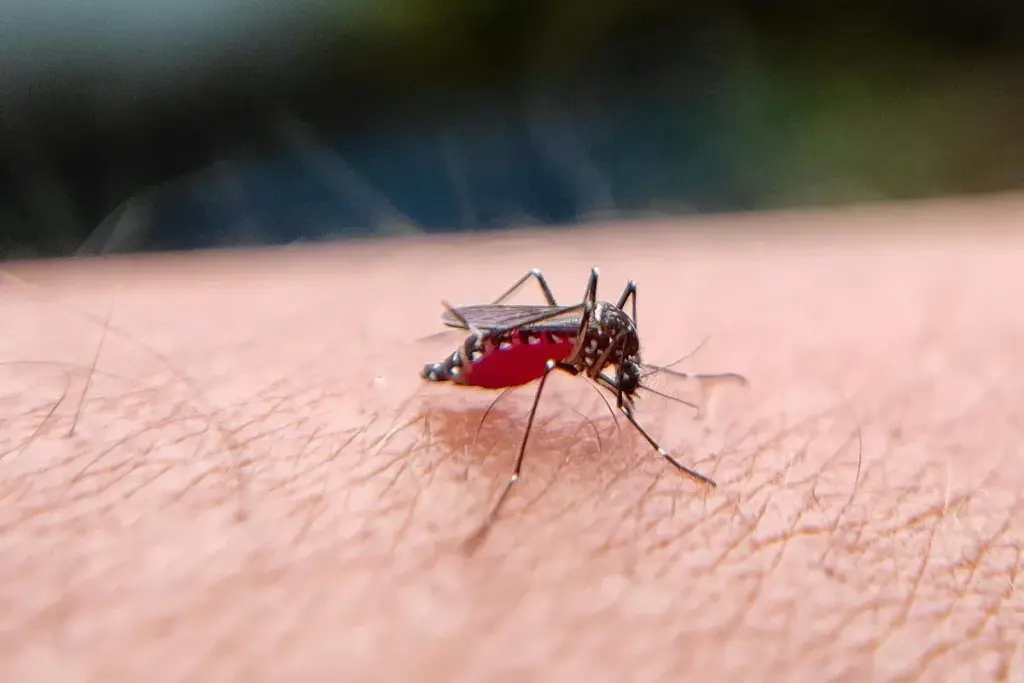
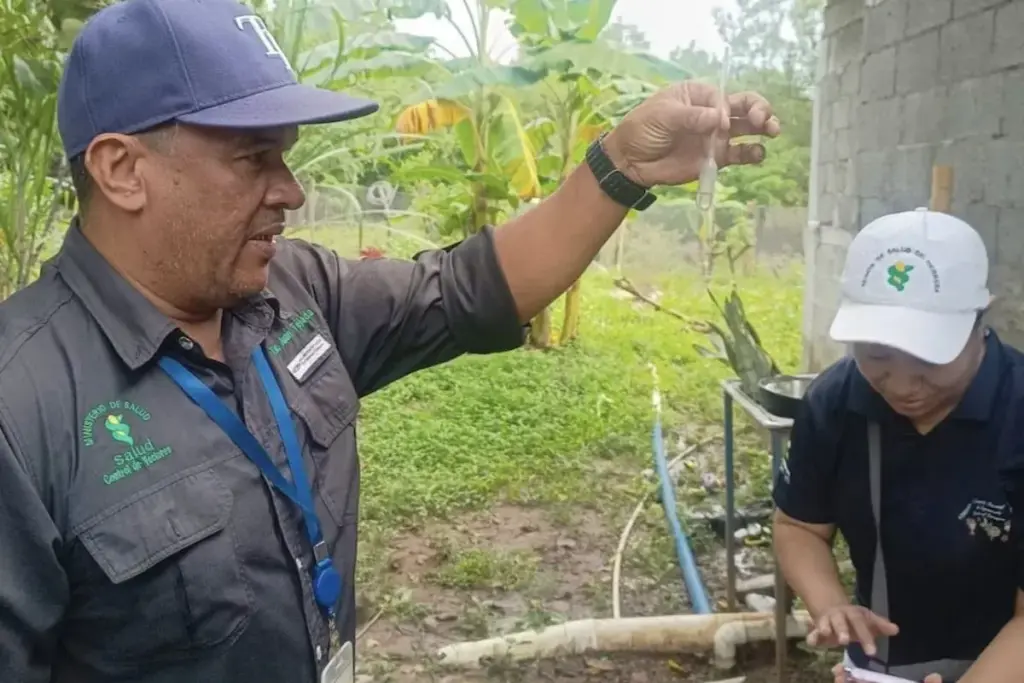
Facing the Panama dengue outbreak head-on, the Ministry of Health will launch a nationwide verification and elimination campaign for mosquito breeding sites on Sunday, August 23. All 15 health regions will take part, deploying teams from health promotion, public health, vector control, and environmental sanitation divisions. Municipal governments, community boards, the waste management authority, and the Ministry of Public Works will provide additional support.
In the Metropolitan Region, operations will center on Tocumen, specifically in Villaluchín and First and Second Streets. Crews plan to visit around 370 homes. More than 100 officials from various institutions will join the effort, and dump trucks will be stationed in the area so residents can dispose of unused items that could collect water and become mosquito breeding grounds.
Why Eliminating Breeding Sites Matters More Than Fumigation
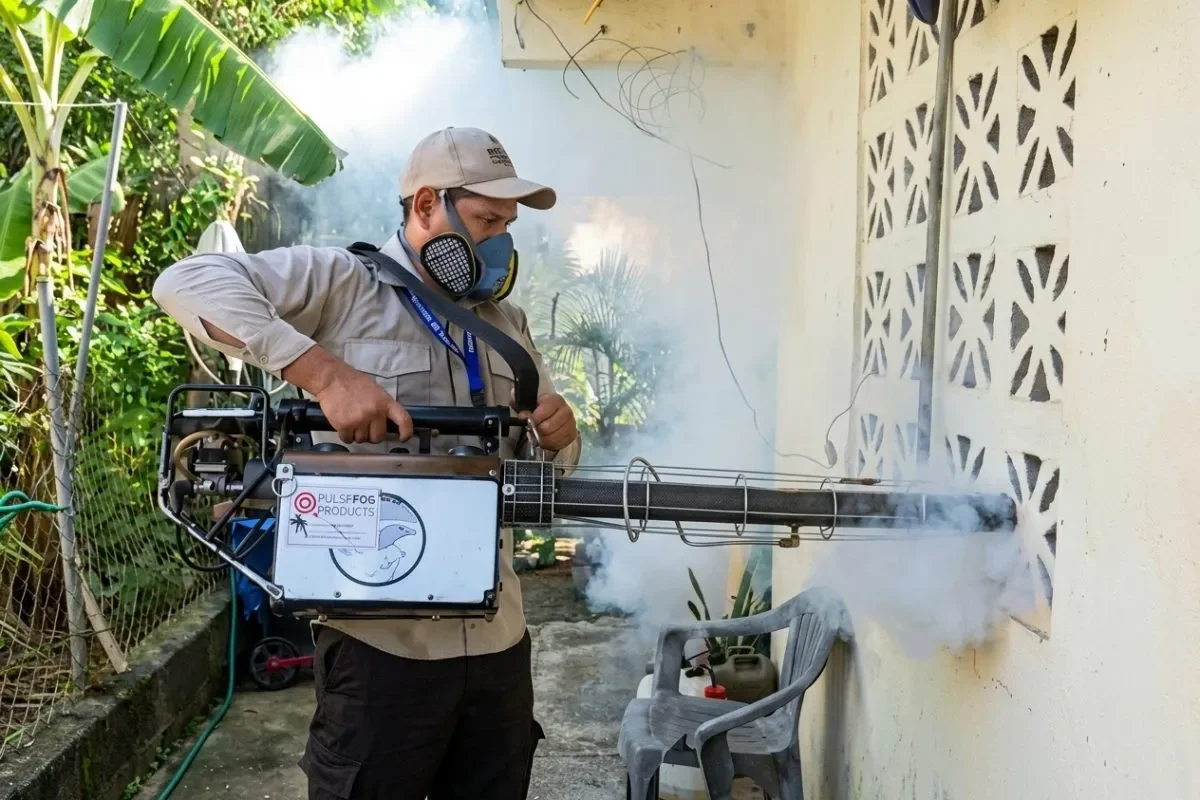
Torres was blunt about fumigation’s limits. Spraying alone won’t solve the problem, he said. Eliminating breeding sites remains the most effective way to interrupt dengue transmission. A major challenge stems from water storage in communities with unreliable access to supply. Residents often keep water in containers that become ideal habitats for Aedes aegypti mosquitoes.
Health officials recommend keeping water containers tightly covered and washing them regularly. Mosquito eggs deposited along container edges can survive for up to one year, meaning a single neglected container can spark new outbreaks long after initial cleaning efforts. The Sunday campaign starts at 7:00 a.m. and runs throughout the day, with health personnel present across the targeted communities.
Ultimately, the combination of four circulating serotypes, more than 6,000 cases, and 16 confirmed deaths makes the Panama dengue outbreak a key challenging seasons the country has faced in years. Community participation in eliminating standing water remains the cornerstone of controlling the outbreak’s spread, officials say.