


Panama’s health authorities have confirmed 2,345 cases of Dengue fever through the first 17 weeks of 2026. The Ministry of Health Panama released the data on Tuesday. The report covers the epidemiological week ending May 2, 2026.
The majority of patients show no warning signs. Officials recorded 2,055 cases in that category. Another 276 patients have warning signs and 14 cases are classified as severe dengue. The Metropolitan Region holds the highest count with 608 infections.
Case Distribution Across Panama’s Regions
The epidemiological breakdown shows significant variation between provinces. Colon follows the Metropolitan Region with 397 cases. Bocas del Toro reports 242 infections. San Miguelito has 223 cases and Panama West registers 210. Panama East shows 181 cases while Herrera and Panama North each report 112.
Chiriqui has 97 confirmed cases. Los Santos reports 50. Veraguas has 35. The Kuna Yala region shows 32. Cocle reports 25 cases. Darien has 13 and Ngabe-Bugle has 8 infections. The Panama epidemiology report confirms 292 people remain hospitalized.
Seven deaths have been confirmed this year. Bocas del Toro leads fatalities with three. Los Santos reports two deaths. Cocle and Colon each have one confirmed fatality.
National Incidence Rate and Most Affected Groups
The national incidence rate sits at 49.7 cases per 100,000 residents. People between 25 and 34 years old face the highest infection risk. Health officials track these numbers carefully.
Specific neighborhoods show concentrated outbreaks. Tocumen leads with 163 cases. 24 de Diciembre has 91. Puerto Pilon reports 88. Veracruz shows 83 infections and Belisario Frias has 73 confirmed cases.
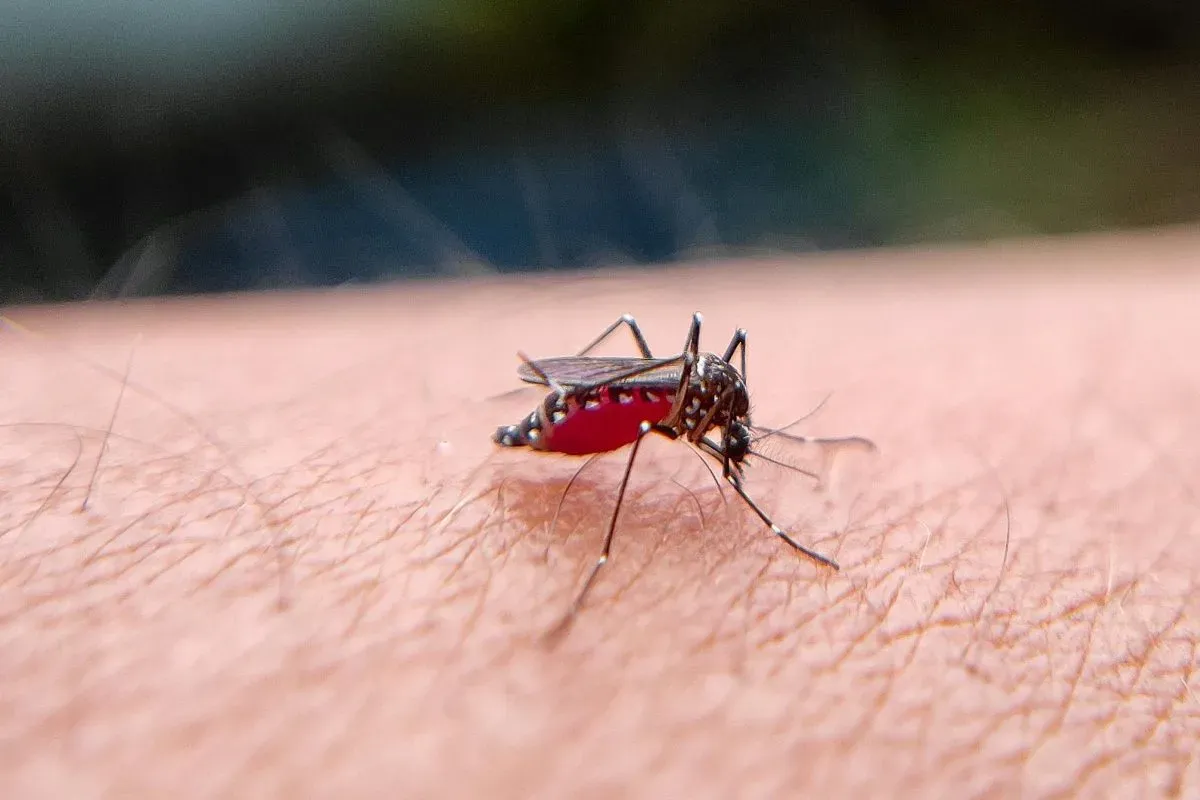
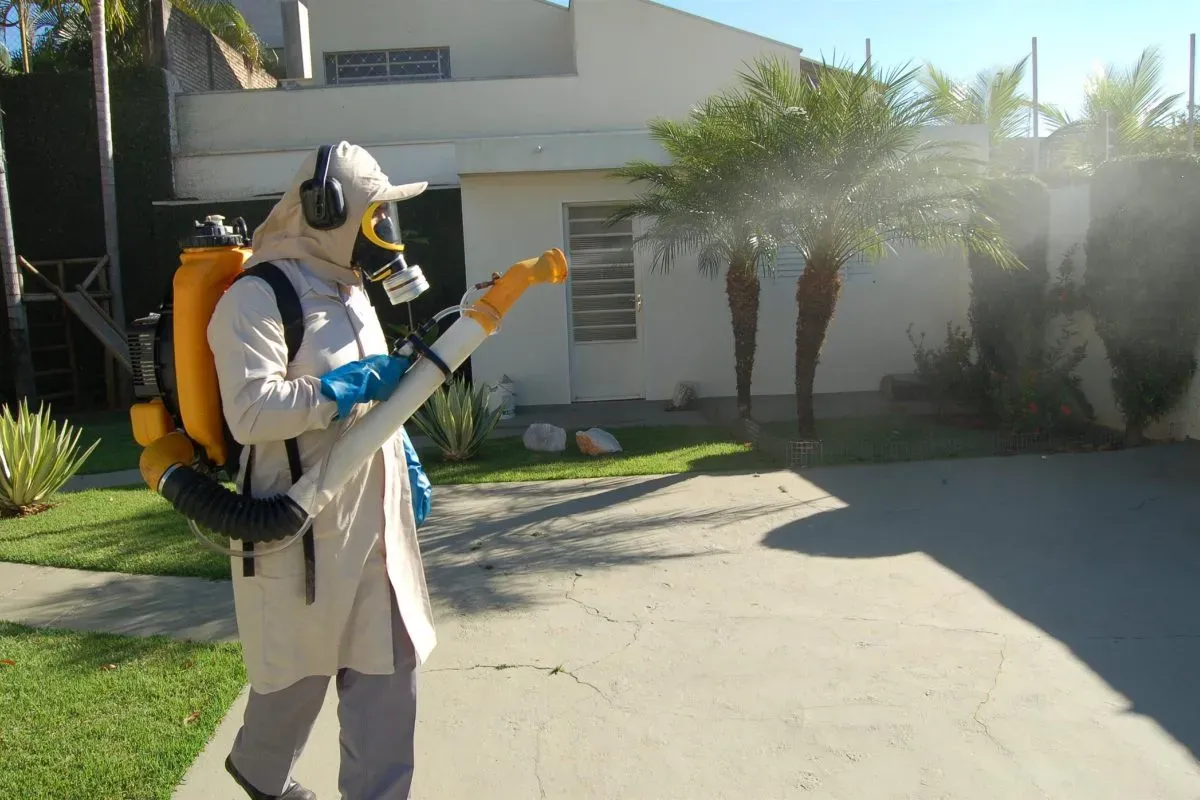
The Ministry of Health continues strengthening fumigation operations, vector control and health promotion across different points of the country to reduce the spread of the Aedes aegypti mosquito [Translated from Spanish]
Officials urge citizens to eliminate containers that collect water. Clean patios and covered water tanks prevent mosquito breeding sites. These simple actions make a real difference.
Dengue Symptoms and Warning Signs
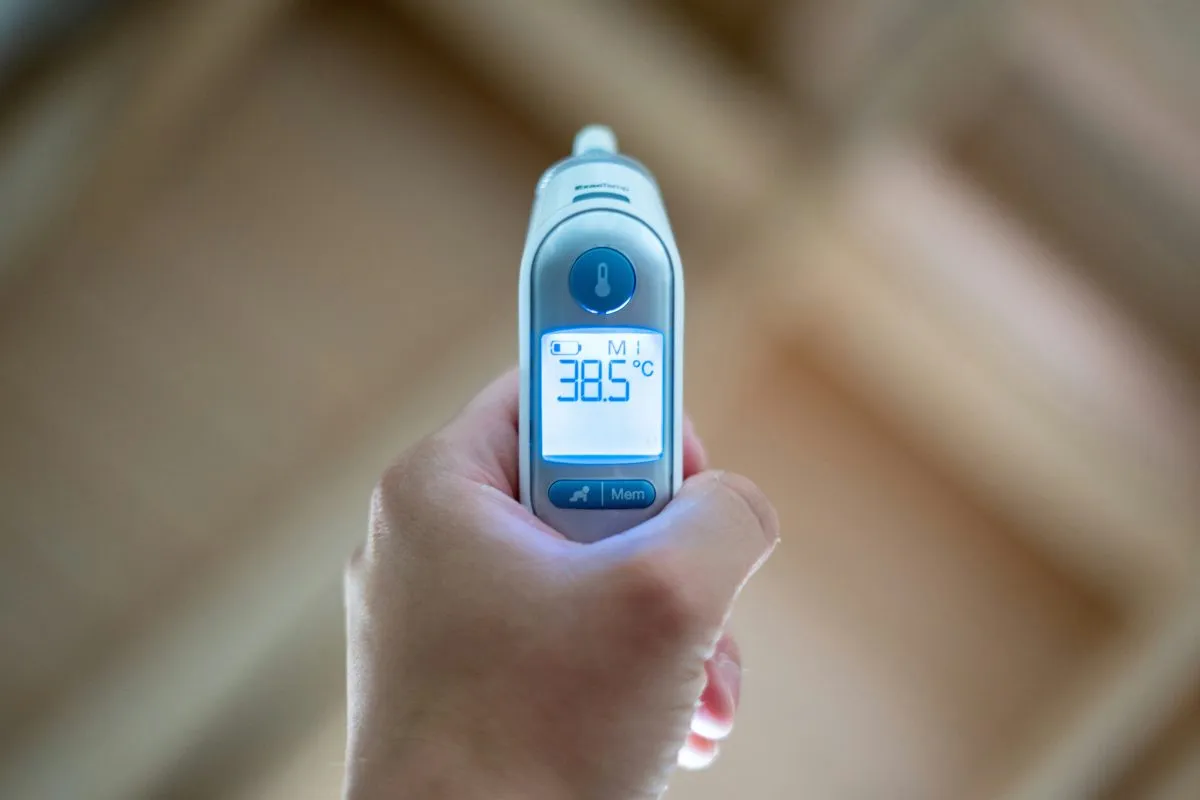
Fever appears as the primary symptom. Headaches and general discomfort follow. Muscle pain and eye pain are also common. Health authorities recommend avoiding self-medication.
Anyone with suspected dengue should visit a health center immediately. Warning signs require urgent medical attention. The Ministry of Health Panama maintains active surveillance across all regions.
Vector control teams continue working throughout affected areas. Fumigation operations target high-risk neighborhoods. Health promotion campaigns educate communities about prevention methods.
The Aedes aegypti mosquito thrives in standing water. Rainy season conditions increase breeding sites. Community participation remains essential for outbreak control.
Officials stress that prevention works best. Each household can reduce mosquito populations. Simple actions like covering water tanks eliminate breeding grounds. Cleaning gutters and disposing of tires also helps significantly.
Health centers across the country remain prepared. Medical staff have received updated treatment protocols. Early detection improves patient outcomes dramatically.
The current outbreak pattern matches previous years. Metropolitan areas typically report higher case numbers. Dense populations and urban conditions favor mosquito reproduction.
Travelers should take precautions when visiting affected areas. Insect repellent and protective clothing reduce bite risks. Screened windows and air conditioning provide additional protection indoors.
Local health authorities will continue weekly reporting. The epidemiological calendar runs through December 2026. Officials expect case numbers to fluctuate with seasonal changes.
Public health campaigns emphasize collective responsibility. Everyone plays a role in reducing mosquito populations. Community participation determines outbreak control success.