


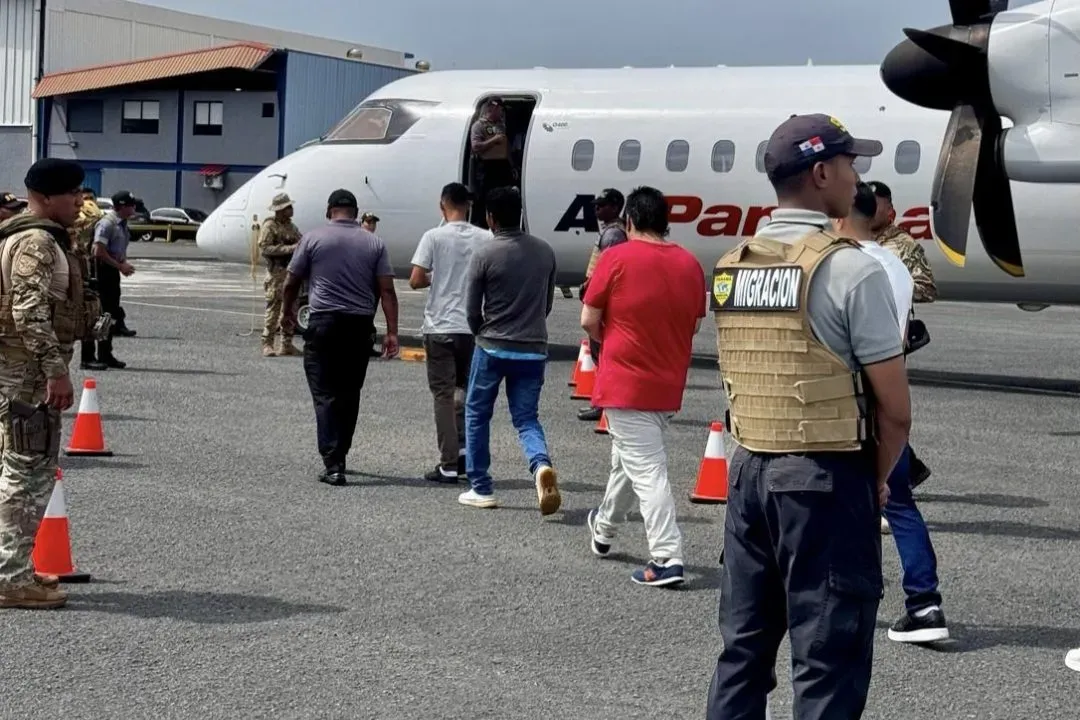
Panama has deported and expelled 45 Colombian citizens from the country. The group departed from Marcos A. Gelabert Airport on flights bound for Colombia. Officials confirmed the operation this week as part of ongoing immigration control measures.
The Panama-United States Memorandum of Understanding on Migration provides the legal framework for these actions. Of the 45 individuals returned, 36 were deported for violating immigration laws. Their infractions include evading checkpoints, overstaying visas, and other administrative violations under national legislation.
Nine Colombian citizens were expelled from Panamanian territory. These individuals had criminal records linked to crimes against collective security. Their offenses include international drug trafficking, selling illicit substances, possession and trafficking of weapons, and extortion. Authorities determined they posed a threat to public safety, health, and order.

Government Actions Under Migration Agreement
Roger Mojica Rivera, the director general of the Panama National Migration Service, addressed the operation. “These actions are part of the permanent efforts of the National Migration Service to strengthen the country’s security, combat irregular migration, and guarantee compliance with immigration laws, through coordination aimed at preserving order and citizen tranquility,” he said. [Translated from Spanish]
The operation represents a significant step in bilateral cooperation. Panama and the United States signed their memorandum to address shared migration challenges. Colombian deportations from Panama have increased under this framework. Authorities expect more flights in coming weeks.
The National Migration Service continues to process cases daily. Each deportation or expulsion follows established legal procedures. Officials review individual circumstances before making decisions.
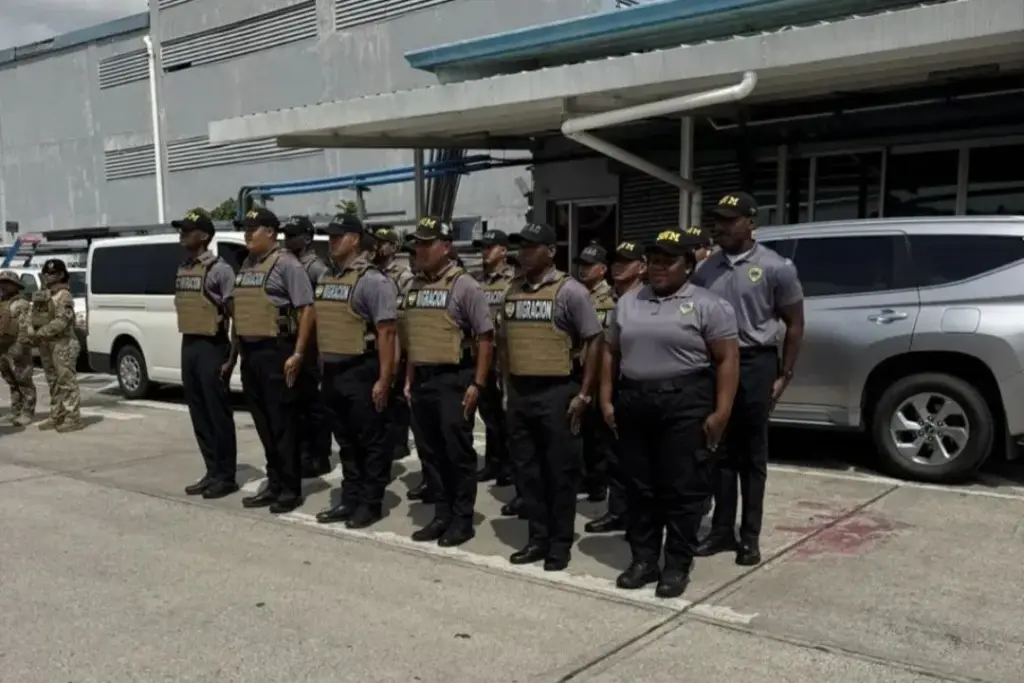
Panamanian law provides clear penalties for immigration violations. Deportation applies to administrative infractions. Expulsion targets individuals with criminal backgrounds. Both measures aim to maintain order and public safety.
The Colombian government has been notified of each case. Consular officials provided assistance to their citizens. Diplomatic channels remain open for ongoing coordination.
Panama’s geographic position makes it a transit point for migration. The country receives migrants from South America, the Caribbean, and beyond. Strict enforcement of immigration laws helps manage these flows effectively.
Future operations will depend on intelligence and legal assessments. The government has committed to transparent and lawful procedures. Citizens can expect continued enforcement of immigration regulations.