


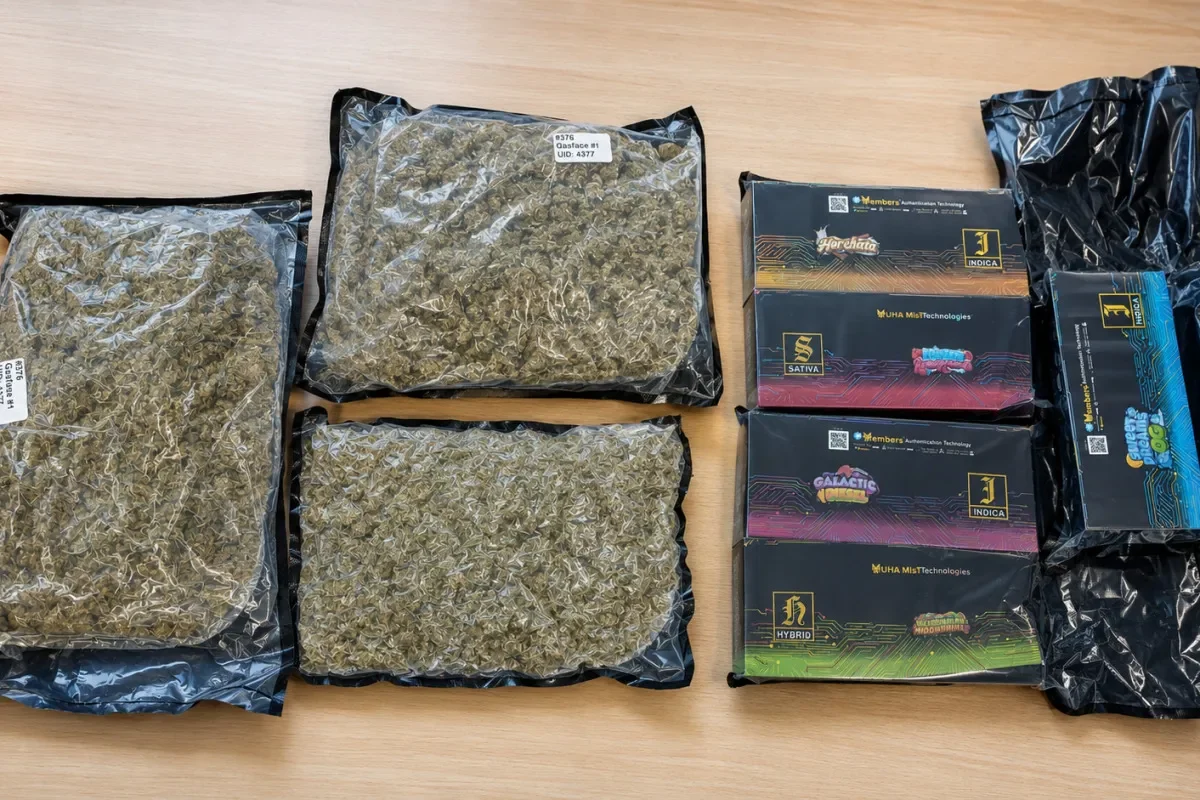
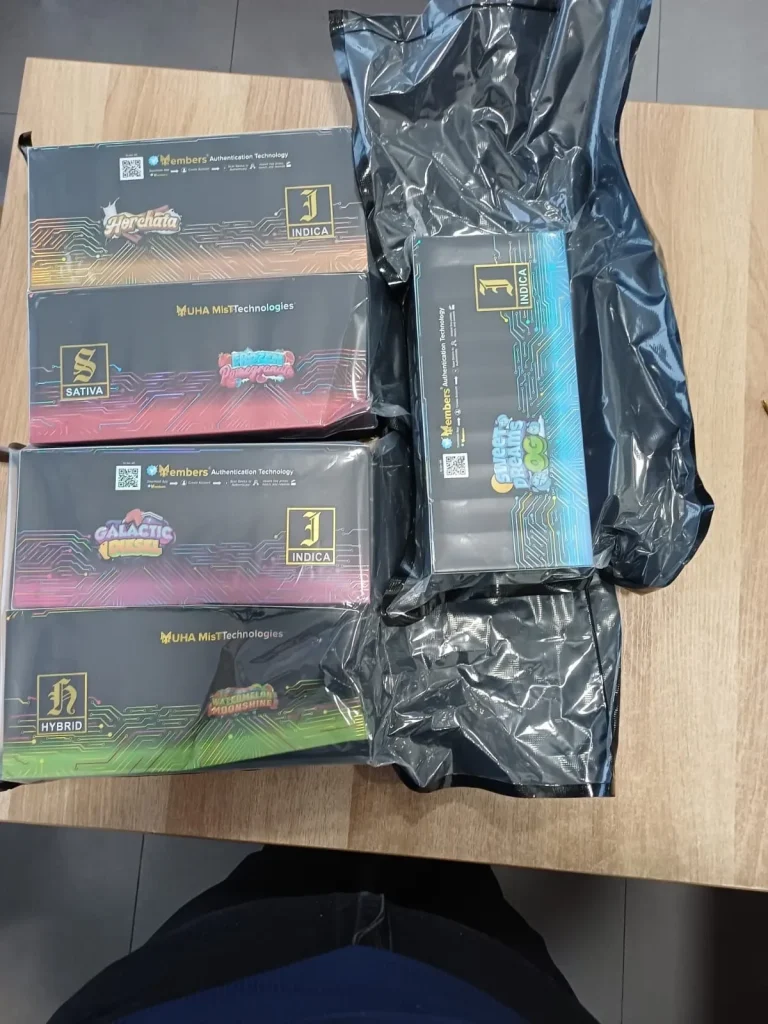
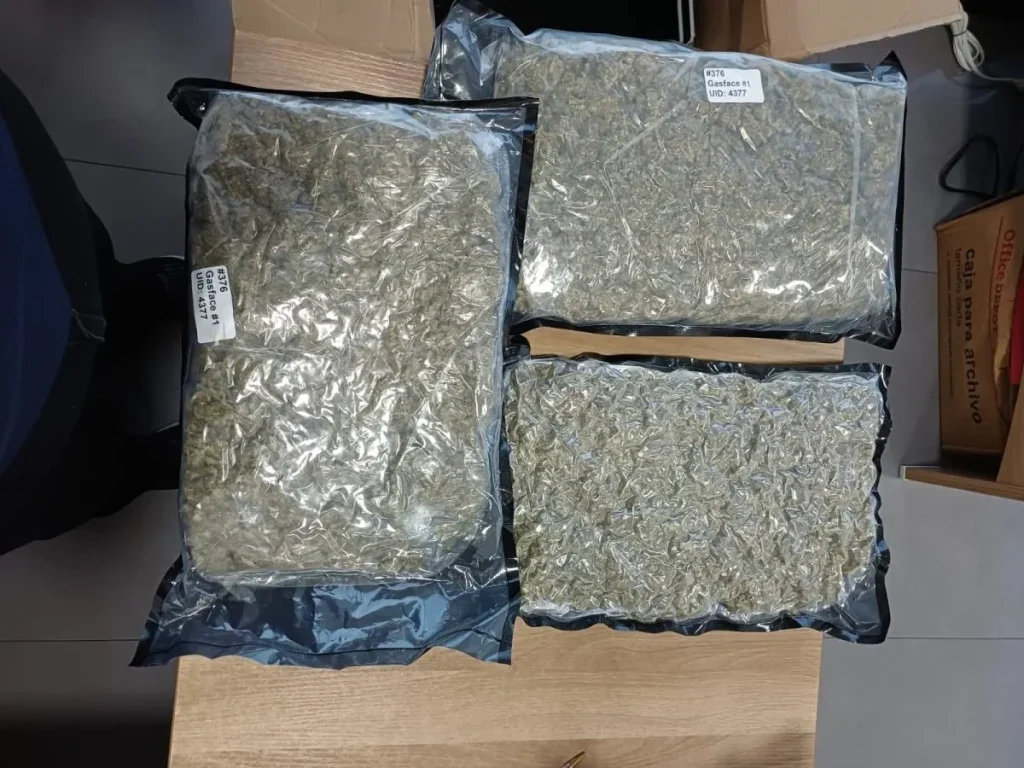
A routine screening at Panama’s National Customs Authority took a serious turn when agents uncovered what appears to be a courier drug shipment concealed inside a briefcase that arrived through a courier service from Miami. The discovery included dark green plant material suspected to be an illicit substance along with 50 THC vaporizers, preliminary reports indicate.
Discovery During Routine Courier Screening
Customs officials were conducting standard inspections on packages transported by courier services when they identified a box that raised immediate suspicion. Inside that box sat a briefcase, and upon closer examination, agents found the dark green herb and the vaporizers tucked within. The package listed a sender address in California and was destined for a female recipient in Panama.
Authorities haven’t released the woman’s name because the case remains under active investigation. The shipment’s route from the United States into Panama highlights the ongoing challenge customs officials face when screening high volumes of international mail and courier traffic every day. Officials noted that the preliminary visual assessment suggests the plant material could be marijuana, but formal laboratory testing will provide definitive confirmation.
Courier Drug Shipment Trafficking Patterns
Drug traffickers increasingly exploit courier and express mail services because these channels process massive volumes of packages daily, making thorough physical inspection of every item difficult. A courier drug shipment can slip through if packaging looks ordinary and documentation appears legitimate, which is why routine screening procedures remain critical for interception efforts.
Panama’s strategic position as a regional logistics hub means its customs agency handles enormous flows of goods moving between North and South America. That same infrastructure that supports legitimate trade also attracts criminal networks looking to move contraband. THC vaporizer products pose a particular concern because they can be mistaken for legitimate electronic cigarette devices without careful inspection of the accompanying materials.
The involvement of a California return address combined with routing through Miami demonstrates the multi-state nature of international trafficking operations. Shipments often travel through multiple jurisdictions before reaching Panama, complicating efforts to trace the original source of illicit goods.
Investigation and Evidence Processing
After the seizure, customs officials transferred all evidence to the appropriate authorities for laboratory analysis. Those tests will determine the exact nature of the plant material and confirm the THC content in the vaporizers. The findings will shape how prosecutors proceed with formal charges, should the substances test positive as suspected.
The investigation continues to focus on identifying all parties connected to the shipment, including whoever sent the package from California and the intended recipient in Panama. Investigators typically pursue both ends of the trafficking chain in cases involving international courier drug shipment operations, working with counterparts in the United States when necessary.
Customs authorities in Panama have increased their focus on detecting narcotics and
products moving through courier channels in recent years. Each successful interception provides intelligence that helps refine screening protocols and identify emerging smuggling trends.
Regional Security Implications
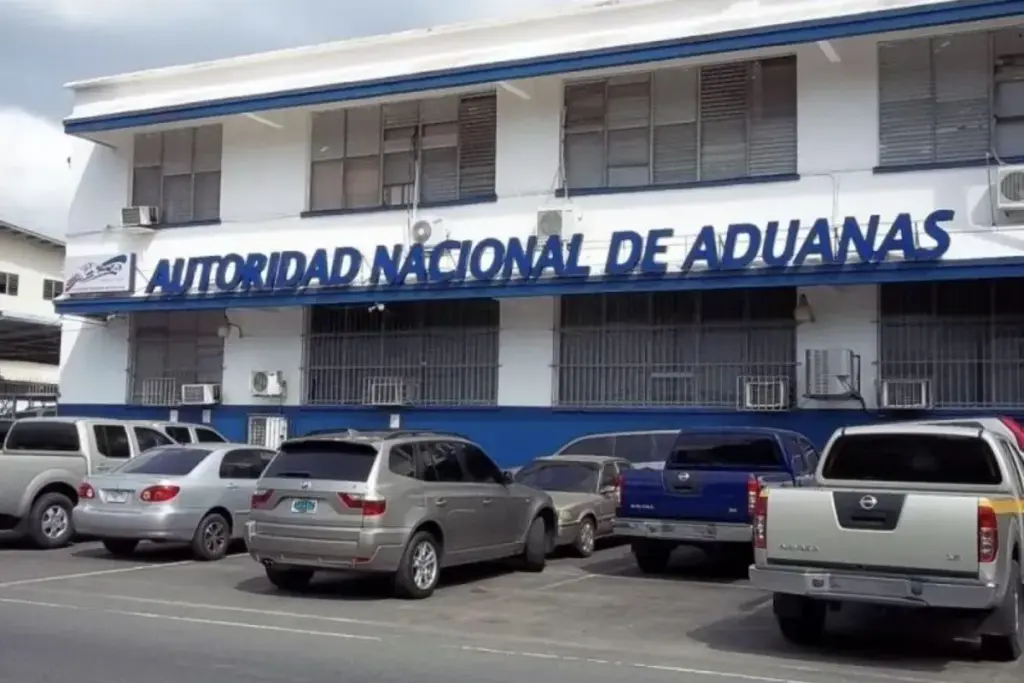
The seizure reflects broader regional concerns about the movement of controlled substances through legitimate commercial channels. Panamanian officials have consistently emphasized the importance of maintaining strict oversight of courier and freight operations to prevent the country from becoming a transit point for drugs heading to other destinations or for local distribution.
Beyond the immediate criminal investigation, the case underscores the value of routine inspections that don’t rely on specific intelligence tips. Many significant seizures begin with an observant agent noticing something slightly off about a package’s weight, shape, or labeling during standard procedures. This particular interception demonstrates that consistent vigilance can yield results even without advance warnings or targeted operations.
In summary, the detection of this suspected courier drug shipment reinforces the critical role that customs agents play in protecting borders from the flow of illicit substances. As laboratory results come back and investigators piece together the full picture, the case will likely contribute to ongoing efforts to disrupt trafficking networks that try to exploit the convenience of international courier services.