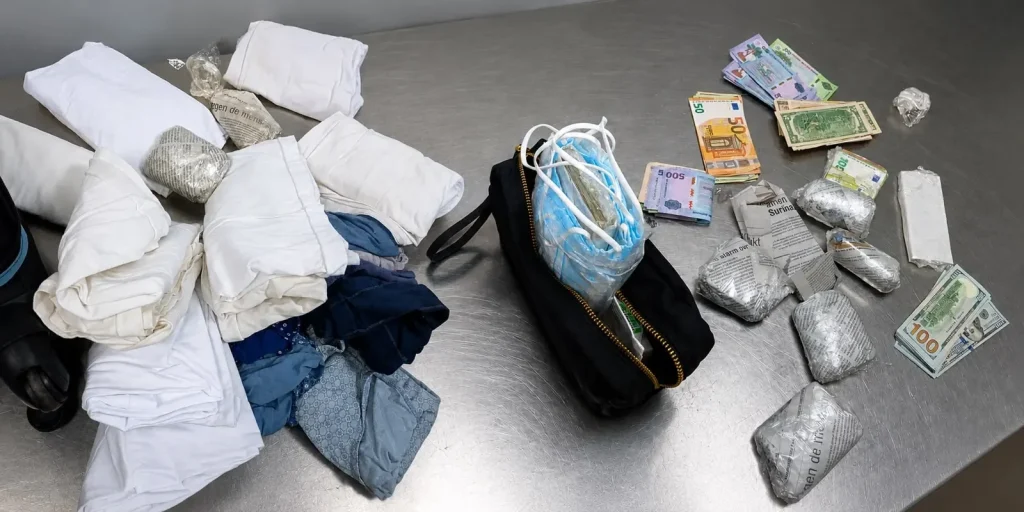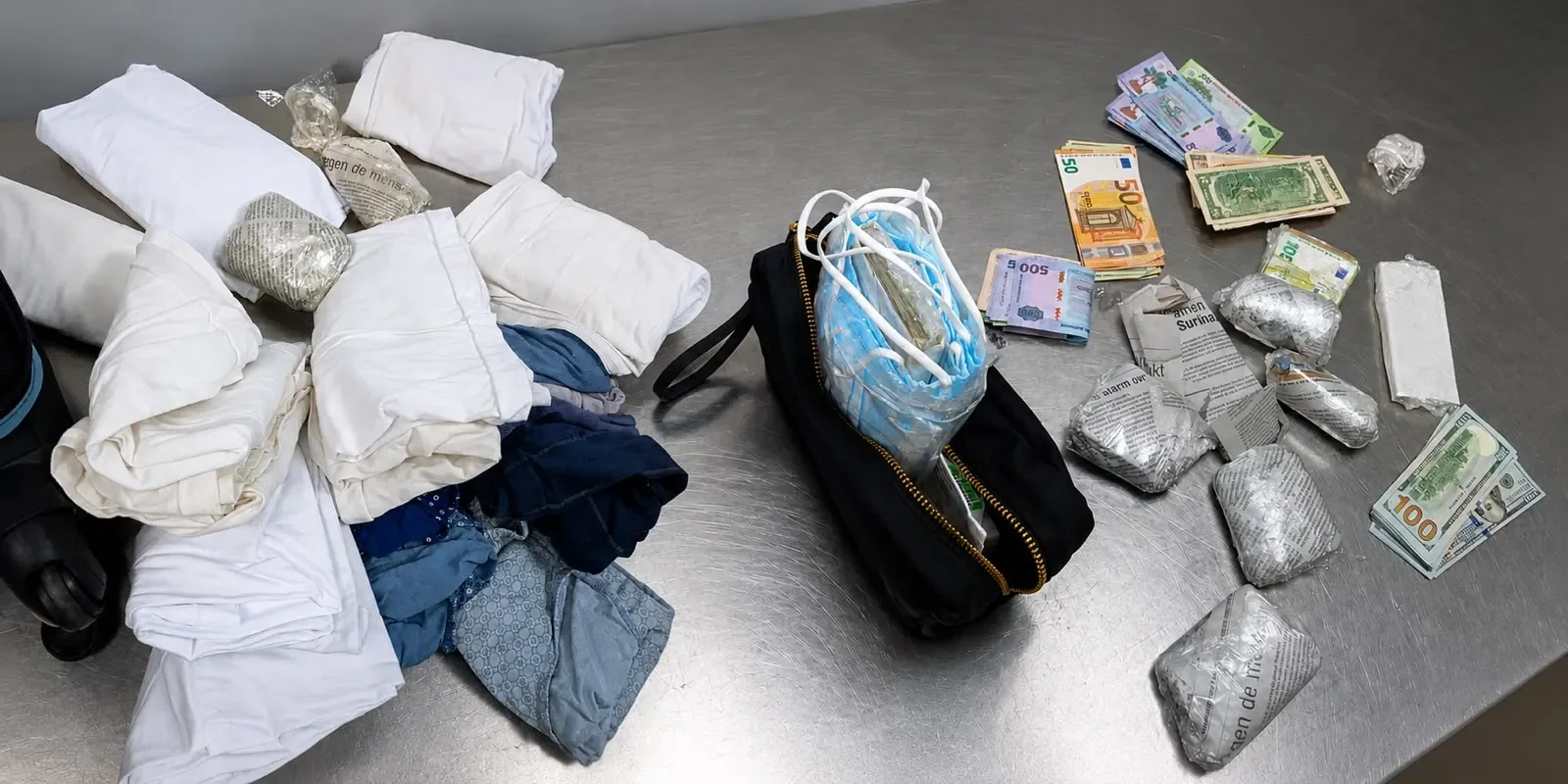
Airport scanners rarely make headlines, but on August 12 they exposed a web of concealed currency at Tocumen International Airport, resulting in a Panama customs seizure worth roughly $70,000. National Customs Authority inspectors stopped a married South Korean couple after detecting unusual shapes in their luggage during routine security screening. The travelers had just arrived on a flight from Suriname, and the quick scanner alert turned a standard entry check into a major financial interception.
Routine Screening Reveals Concealed Currency
The couple’s bags triggered suspicious readings as they passed through the customs scanner. Inspectors activated a manual verification and began opening multiple pieces of luggage. They found banknotes hidden throughout the belongings, including inside suitcases, clothing, a backpack, and a handbag.
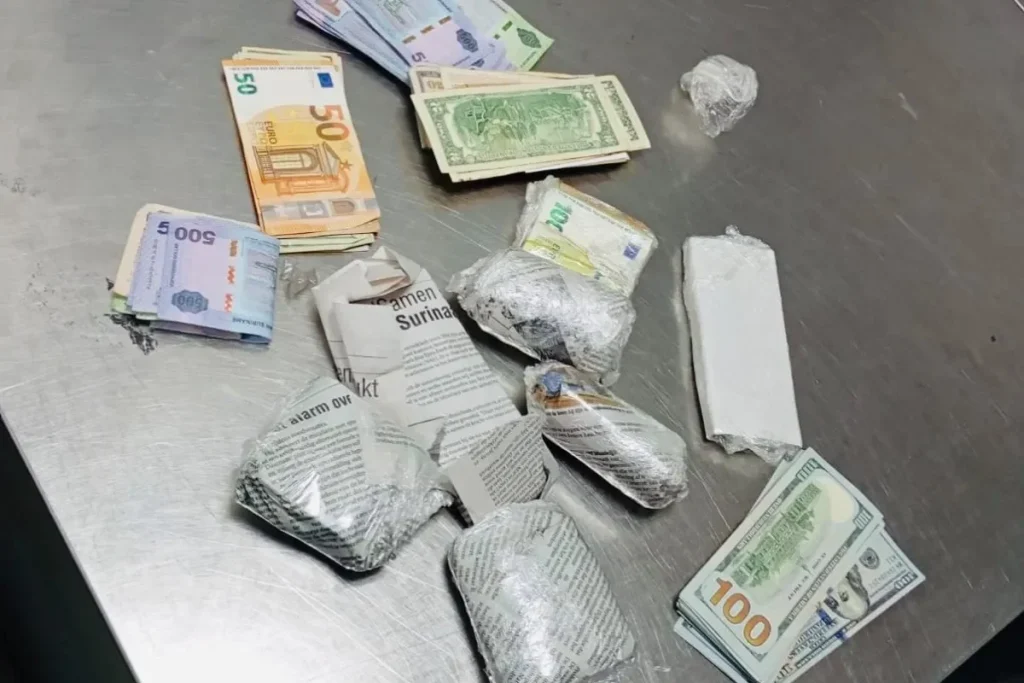
Officials tallied the concealed cash at B/.34,365.00 and 34,970.35 euros. Because Panama’s balboa trades at a one-to-one exchange rate with the U.S. dollar, the combined value reached about $72,000. This Panama customs seizure stemmed from a standard check rather than a targeted tip, according to customs sources.
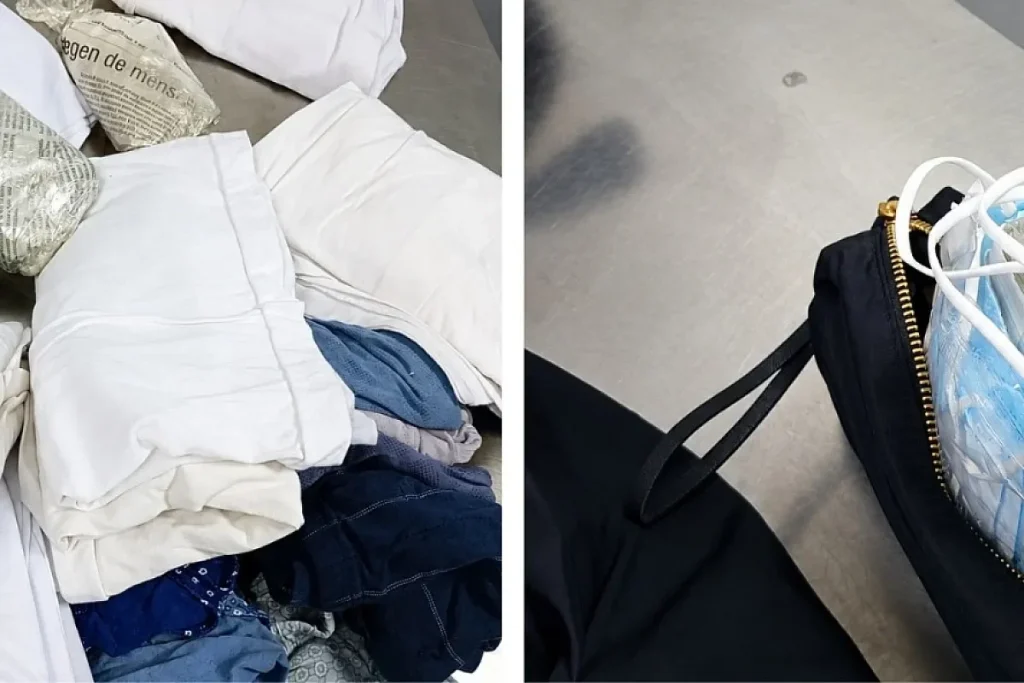
The hiding method, splitting currency across multiple compartments, has become a common pattern in smuggling cases. Customs officials have grown more skilled at spotting subtle density variations on scanner images, which often signal that passengers are attempting to avoid mandatory declarations.
Panama Customs Seizure Rules and Regional Cash Controls
Panamanian law requires travelers to declare cash or bearer instruments above $10,000 when entering or leaving the country. The threshold matches international anti-money laundering recommendations from