


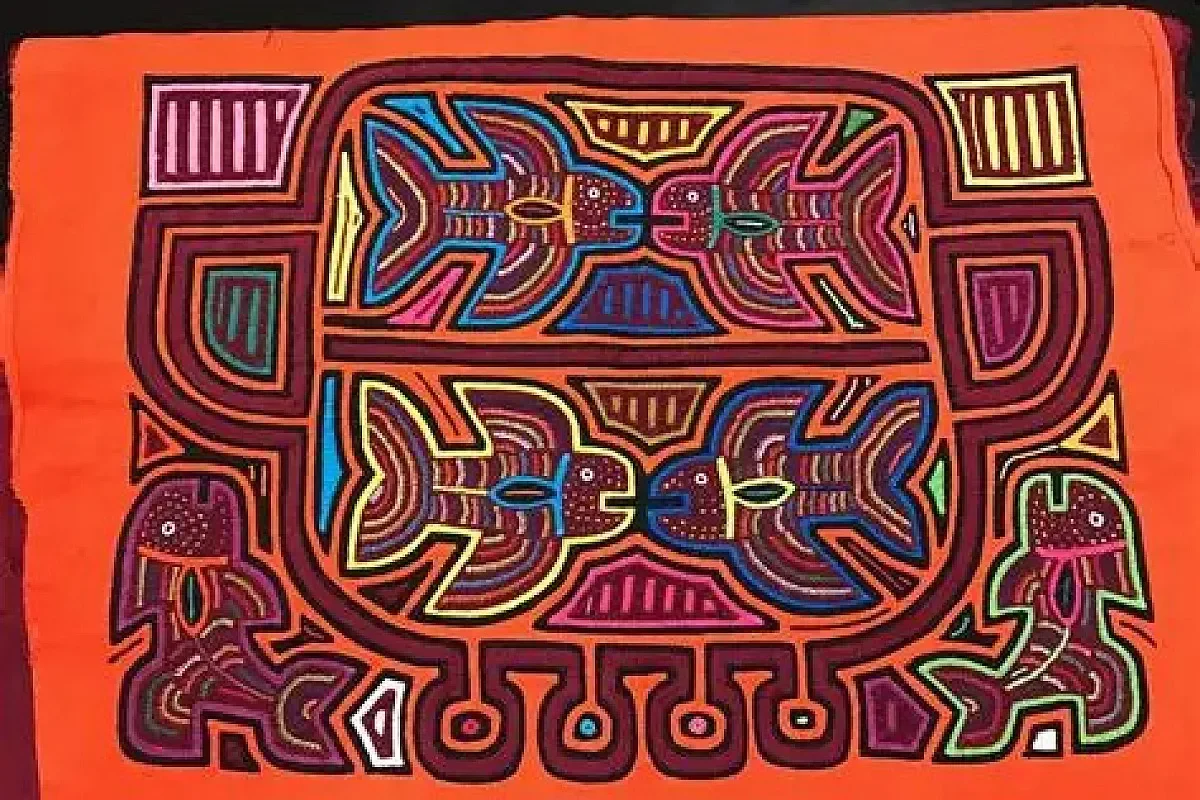
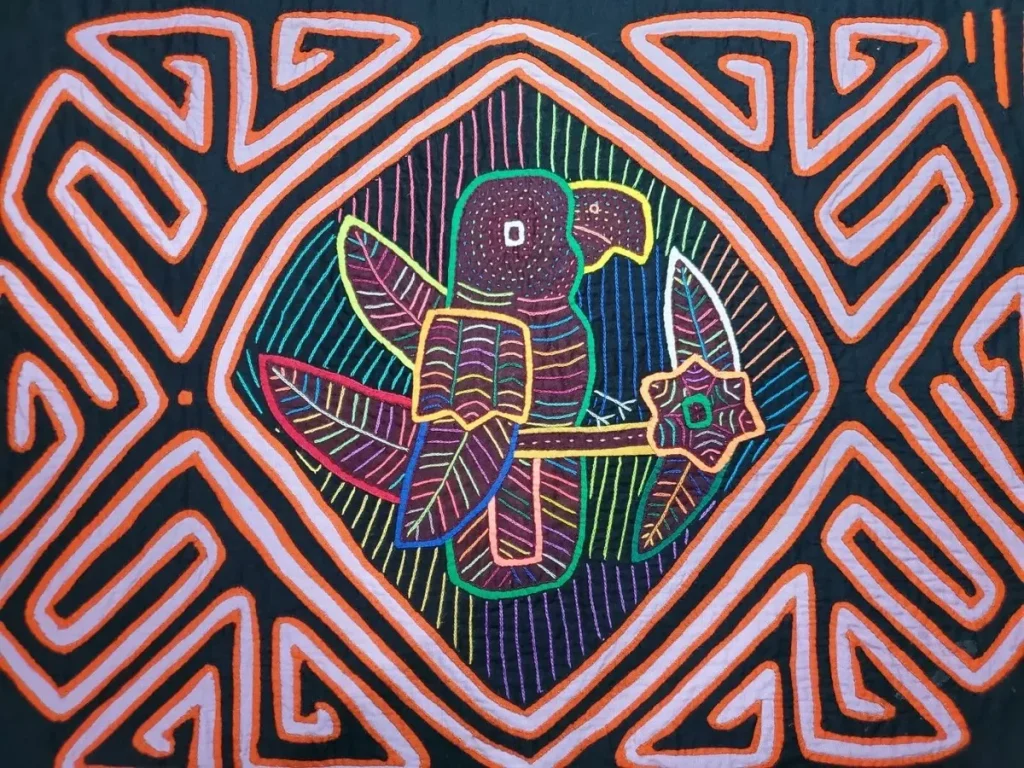
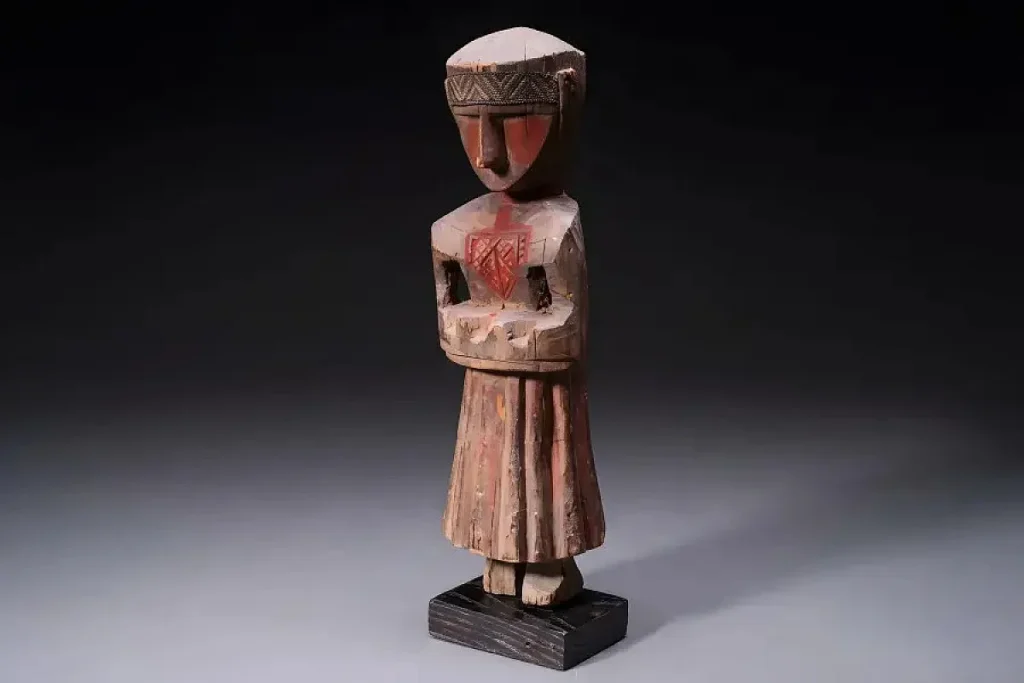
A collection of roughly 3,500 Guna artifacts held in the United States for decades will return to Panama during the first half of 2027, in what officials describe as one of the largest Guna art repatriation efforts ever undertaken. The collection, valued between $650,000 and $900,000 by its donor, includes approximately 1,900 molas, more than 500 nuchus, textiles, ceremonial objects, instruments, documents, photographs and ethnographic material.
The pieces belonged to the Hannaher Collection, administered by American businessman Thomas Hannaher, who donated them to the Geoversity foundation with the explicit commitment to eventually transfer them to Panama. The collection dates from the late 19th and early 20th centuries.
Coordination Behind the Guna Art Repatriation Effort
A coordination meeting held September 9 brought together Panama’s Ministry of Culture (MiCultura), Florida State University (FSU) and Geoversity to formalize the repatriation timeline. Meeting minutes indicate the donation transcends its museological value, opening avenues for historical, anthropological, artistic and cultural research.
FSU’s Center for the Study of Native American and Indigenous Peoples and the Smithsonian’s National Museum of the American Indian have both offered assistance with international transport, conservation and collection management. Panama’s Foreign Ministry is also involved in the process.
Before the collection’s definitive return, organizers plan to continue an international exhibition program that began in August at the Museum of Cultural Santa Fe in New Mexico. The stated goals include increasing global visibility of Panama’s indigenous cultures, developing research and curatorial content, digitizing the pieces, establishing alliances and generating potential funding sources.
Exhibition Plans and Long-Term Vision
Once the collection arrives in Panama, the Biomuseo has expressed willingness to host a first temporary exhibition lasting six to 12 months. A traveling exhibition would follow, visiting Colón, Chiriquí and Santiago. Officials also see the collection as a tool for Panamanian cultural diplomacy abroad.
Long-term plans call for creating a Cultural, Research and Conservation Center dedicated to Panama’s indigenous cultures. The facility would integrate exhibition, conservation, research, education, digital archives, indigenous languages, innovation and community participation. The City of Knowledge Foundation has shown interest and may facilitate land at its Clayton campus for development.
MiCultura has requested a detailed inventory as a priority, covering conservation status, materials, provenance, documentation, required environmental conditions and packing and transport needs. That inventory will help evaluate spaces, budgets and financing for transport, preparation, mounting and the first national exhibition at the Biomuseo in 2027.
Broader Implications for Indigenous Cultural Heritage
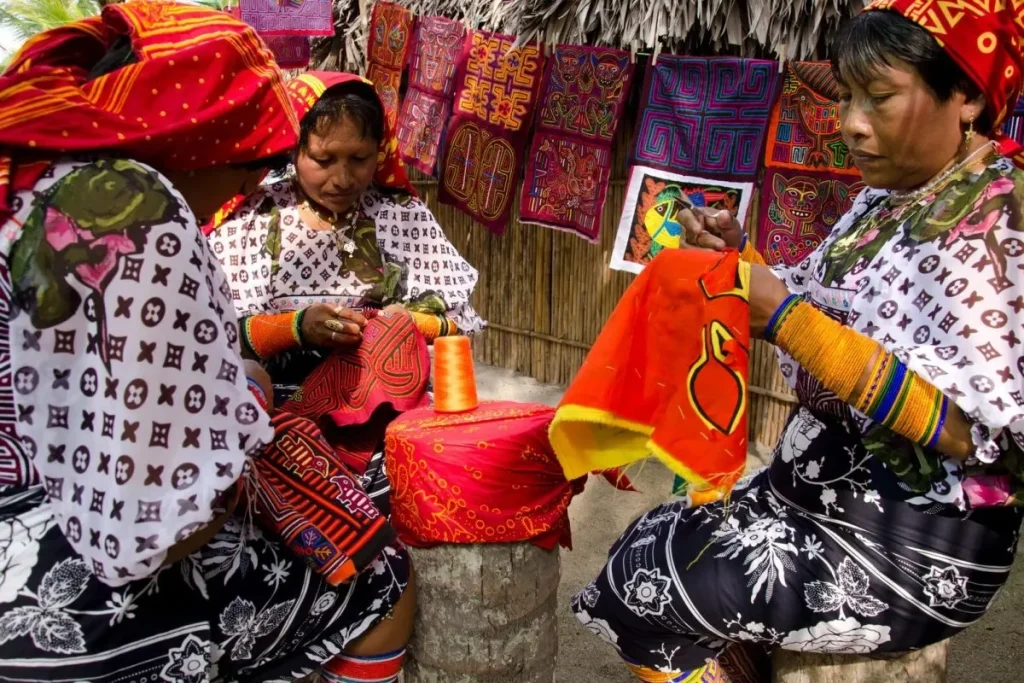
The repatriation could expand beyond the Hannaher Collection. Meeting documents reference the possibility of incorporating other private collections, including one of approximately 600 antique molas, which could transform the Hannaher Collection into the nucleus of a larger repository on Panama’s indigenous cultures.
Insurance value for the collection is set at $1.2 million, according to donor estimates. Officials are also evaluating the technical feasibility of using the Art and Culture Center of Colón for conservation, study and eventual exhibition of the pieces.
The initiative reflects a growing regional trend toward recovering indigenous cultural patrimony held in foreign institutions. For the Guna people, the return of these objects represents more than a logistical achievement, it restores physical connections to ancestral craftsmanship and ceremonial traditions that span more than a century.