


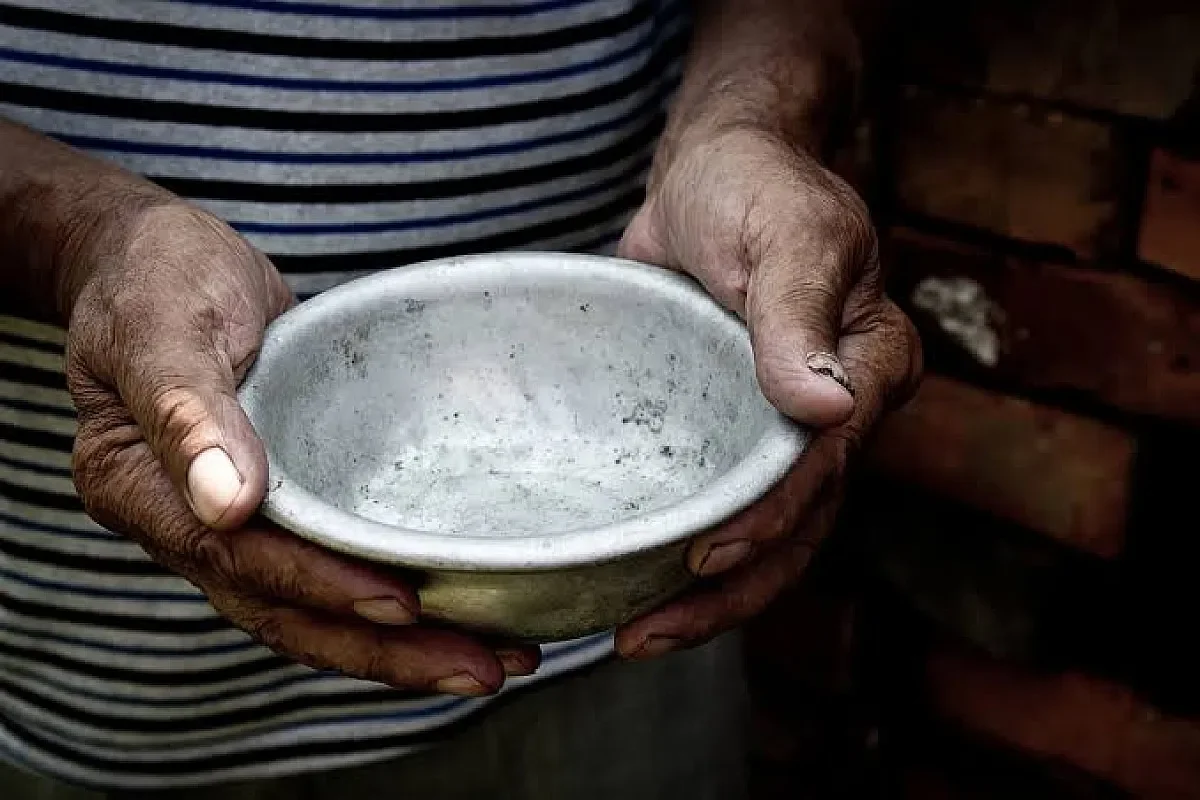
A new study reveals that 47 percent of Panamanian households ate fewer than three meals a day during the past month because they lacked money. The finding underscores a worsening food insecurity Panama crisis that the country’s leading business chamber says demands urgent government attention.
The data comes from the IX Quality of Life Report presented by the Chamber of Commerce, Industries and Agriculture of Panama (Cciap). Researchers surveyed 1,238 adults between August 12 and September 1, 2026. The results paint a stark picture of daily hardship for millions of families despite gains in other quality-of-life indicators.

Food Insecurity Panama Reaches Critical Levels
Aurelio Barría, president of the Cciap, called the meal-skipping statistic one of the report’s most alarming findings. “A very, very critical figure emerged showing almost half the population receives two meals a day instead of three. I think that’s something we need to pay attention to,” he said [Translated from Spanish].
Barría tied the struggle directly to broader economic pressures. He said the situation “is clearly a reflection of the reality we’ve been living with unemployment, informality, and the cost of living” [Translated from Spanish]. The precise finding refers to households that ate less than three times daily during the previous month, not individuals who consistently eat only two meals every day.

Education Exclusion and Youth Unemployment Compound the Crisis
The report also flagged a serious education gap. In 2024, approximately 139,913 minors were not attending school. Barría noted that “there are about 140 thousand young people not in the educational system. That’s also a call to redouble efforts to incorporate young people into Panama’s education system” [Translated from Spanish].
The study expanded its scope this year to include Panama’s indigenous regions, known as comarcas. Barría said quality-of-life indicators there are notably more severe. Youth employment remains another weak point. In 2025, 15.1 percent of people aged 15 to 24 were neither studying, working, nor receiving training. Barría said the recently passed internship law could help open first job opportunities for that segment.

Mixed Progress on Financial Access and Housing
Not all indicators moved backward. The report shows that access to financial accounts among people aged 15 and older jumped from 45 percent to 64.1 percent. Panamanians are also living longer, and many expressed satisfaction with their housing situations. Barría described the overall report as “a photograph of our current reality that allows us to focus or refocus efforts where they’re most needed” [Translated from Spanish].
Barría also addressed electoral reforms moving through the National Assembly. He criticized the speed of some late-night votes, saying “we did not view favorably the speed with which this passed in the early hours. That leaves us with a sour taste” [Translated from Spanish]. He urged broader debate in the second round of discussions.
The Cciap’s findings arrive as Panama grapples with persistent unemployment and rising living costs. The food insecurity Panama data point alone suggests that for many households, basic nutrition has become a daily calculation rather than a guarantee. The chamber’s leadership says the report should serve as a roadmap for targeted government intervention where hardship is most acute.