


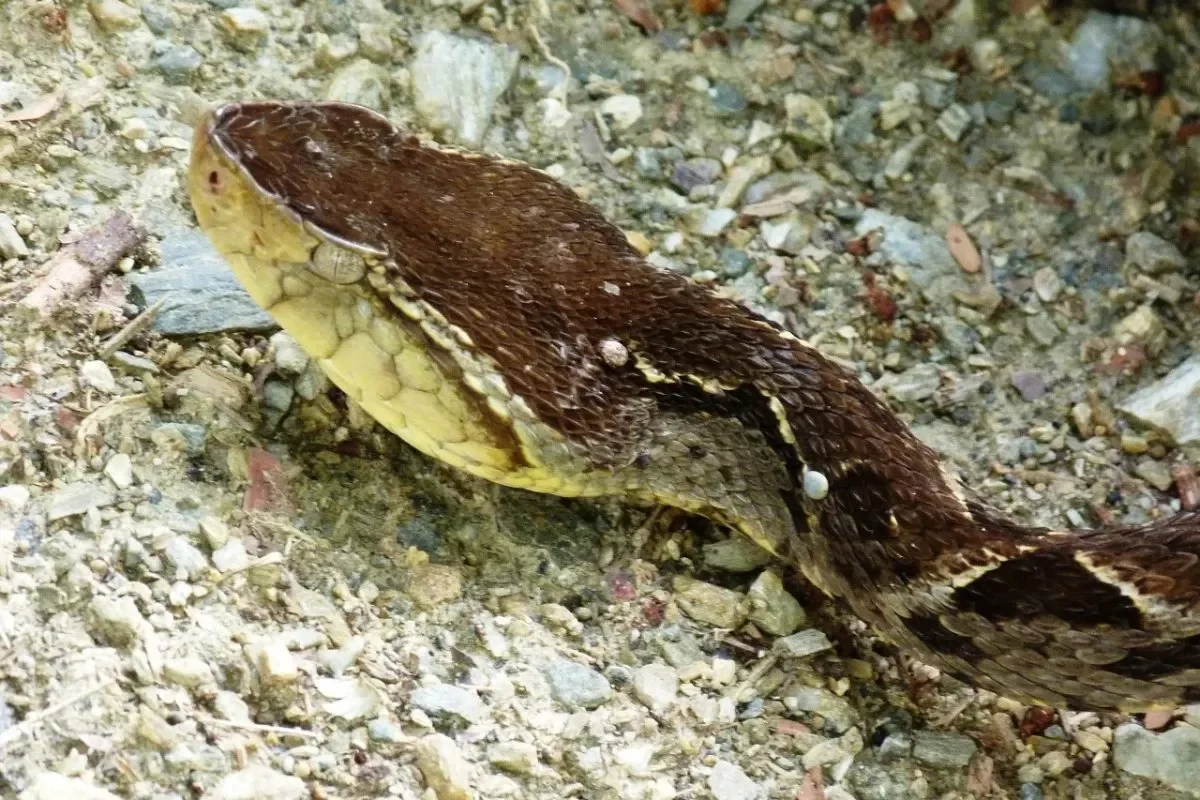
Health authorities in Coclé province have reported 119 cases of Cocle snake bites between January and August 2026, with men accounting for 75 of those affected and women representing 44 cases. The Ministry of Health released the figures as the rainy season continues to drive increased snake activity across the region.
The Aquilino Tejeira Hospital in Penonomé handled the bulk of emergency care, treating 80 patients. The Antón Maternal and Child Center recorded 19 cases, while the El Valle Health Center attended to 8 victims during the same eight-month period.
Rainy Season Fuels Coclé Snake Bites Risk
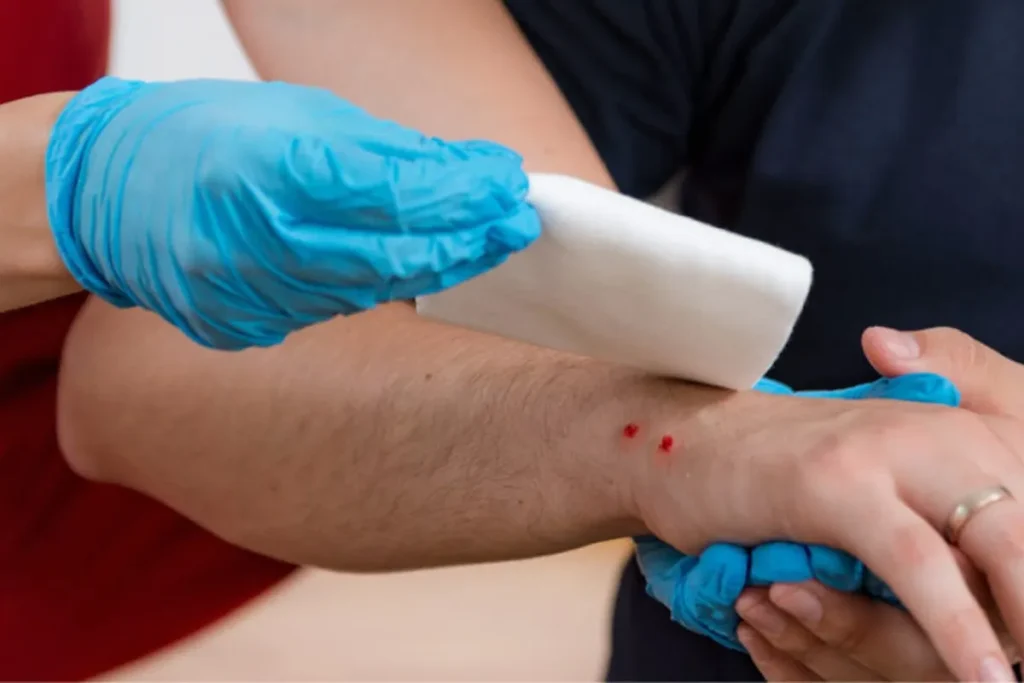
Snake encounters typically spike between May and September, when heavy rains flood burrows and force reptiles into open areas where agricultural workers and rural residents are most vulnerable. The Ministry of Health maintains active surveillance in farming communities and rural zones throughout Coclé, where dense vegetation increases human-snake contact.
At the Aquilino Tejeira Hospital, adults aged 35 to 49 years accounted for 12 cases, followed closely by the 50 to 59 age group with 11 cases. Patients between 25 and 34 years old represented eight additional emergency visits. These demographics reflect the province’s agricultural workforce, where field labor brings people into direct proximity with venomous species.
Antivenom Stockpiles Maintained Across 20 Facilities
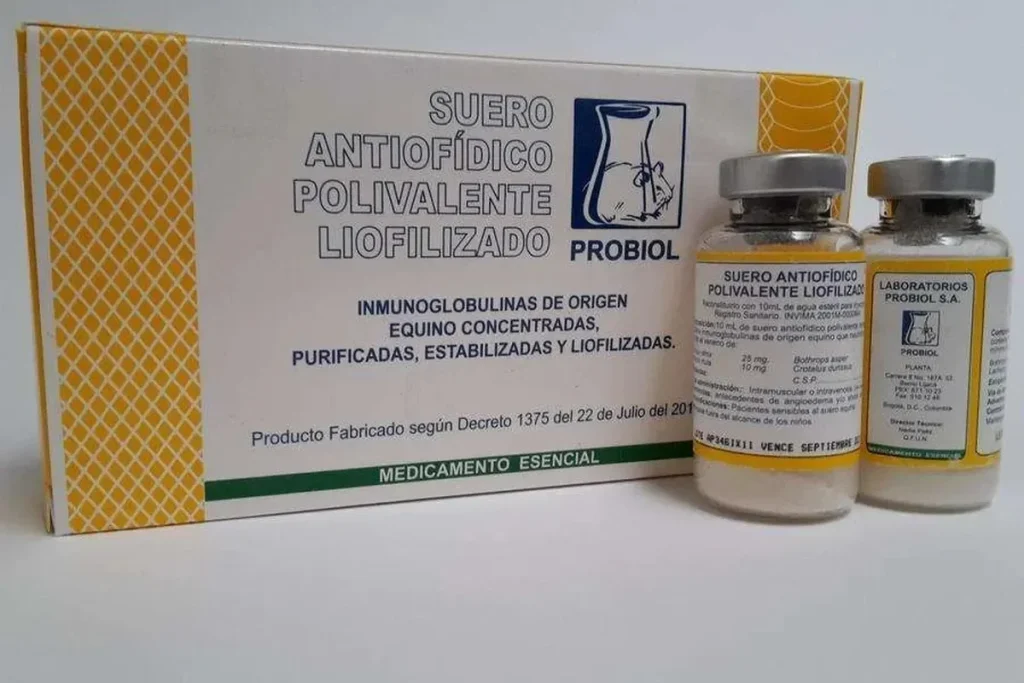
Gladys Hidalgo, a Ministry of Health official in Coclé, confirmed that antivenom serum remains available throughout the province’s healthcare network.
“In the 18 health centers, in the two regional hospitals, Aquilino and Hospital Rafael Estévez, we maintain the antiofídico serum” [Translated from Spanish]
The coordinated distribution ensures that patients in remote areas can receive timely treatment without transfer to larger facilities. Snakebite victims require rapid administration of antivenom to prevent tissue damage, organ failure, or death, making local stockpiles critical during the high-risk rainy months.
Understanding Venomous Snake Dangers in Panama
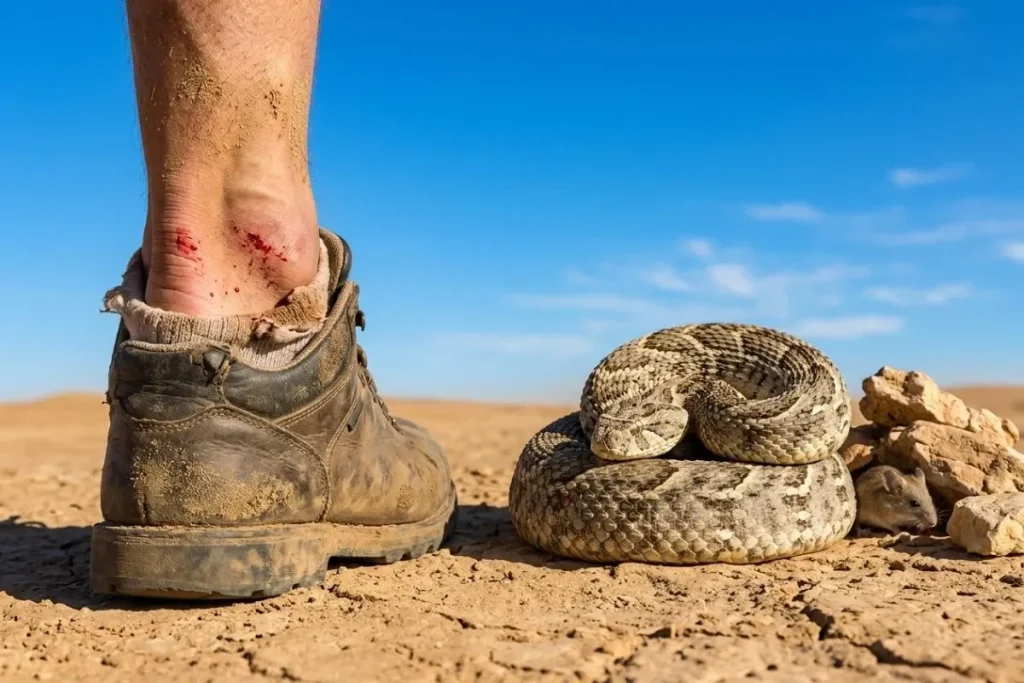
Panama hosts several medically significant venomous snakes, including the fer-de-lance (Bothrops asper), which causes the majority of serious envenomations nationwide. These pit vipers deliver hemotoxic venom that destroys blood vessels, triggers severe swelling, and can lead to permanent disability or fatal hemorrhage without prompt medical intervention.
Other dangerous species include coral snakes, whose neurotoxic venom can paralyze breathing muscles, and the bushmaster, the largest pit viper in the Americas. Agricultural workers face heightened exposure during harvest seasons, when machete use and manual clearing disturb snake habitats. Health officials urge residents to wear protective boots, avoid reaching into dense brush, and seek immediate medical care after any suspected bite rather than attempting traditional remedies.
The Ministry of Health continues monitoring case numbers as the rainy season progresses, with particular attention to rural health posts where early intervention proves most effective in preventing severe outcomes from Cocle snake bites.