


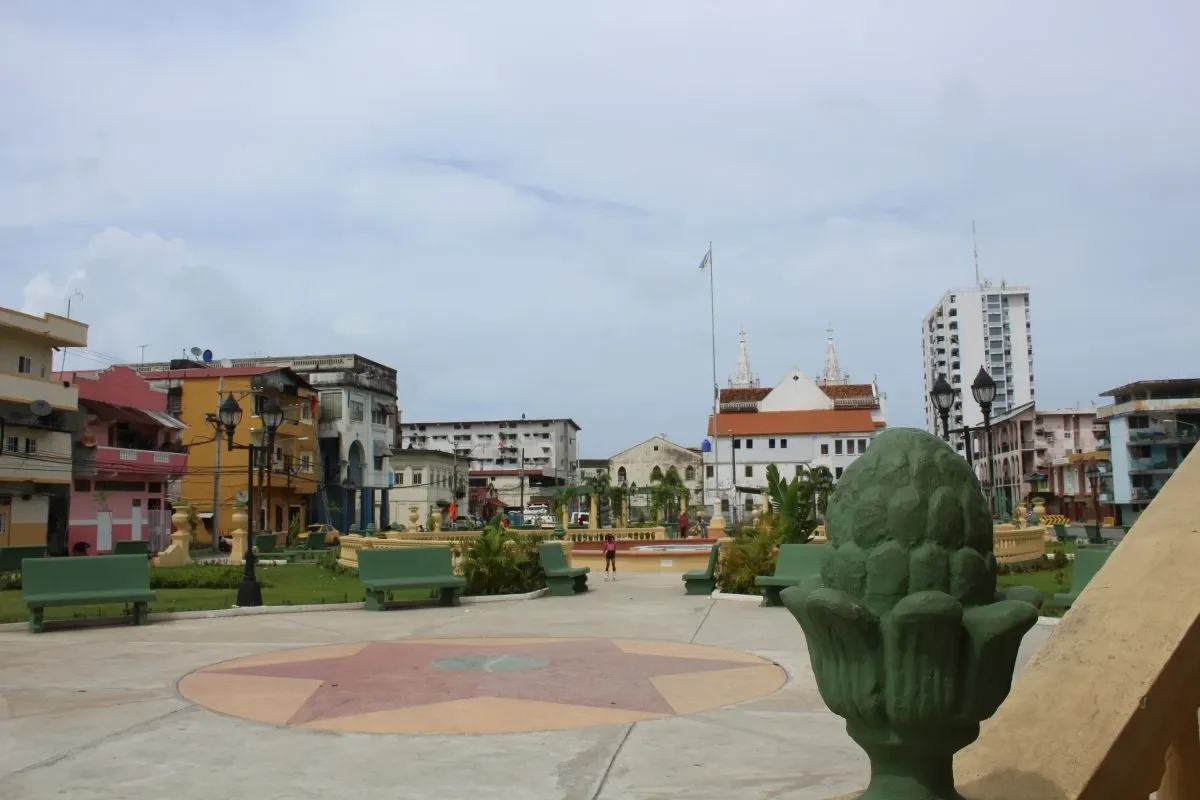
A $900,000 effort to restore the urban landscape of Colon’s historic center is now underway, with crews planting more than 550 trees across parks, promenades, and protected avenues. The Colon historic renovation project, led by the Ministry of Culture‘s Office of the Historic Center of Colon (OCHCO), targets seven emblematic public spaces in its first phase.
Workers have begun arborization, pruning, landscaping, and cleaning along Roosevelt Avenue, Sucre Park, Juan Demóstenes Arosemena Promenade, November 5 Park, Gorgas Promenade, Lesseps Promenade, and the Marine Promenade on Washington Boulevard. The initiative treats public space as part of the city’s urban heritage, alongside its architecture and historic monuments.
Native Species Return to Colon Historic Renovation Sites
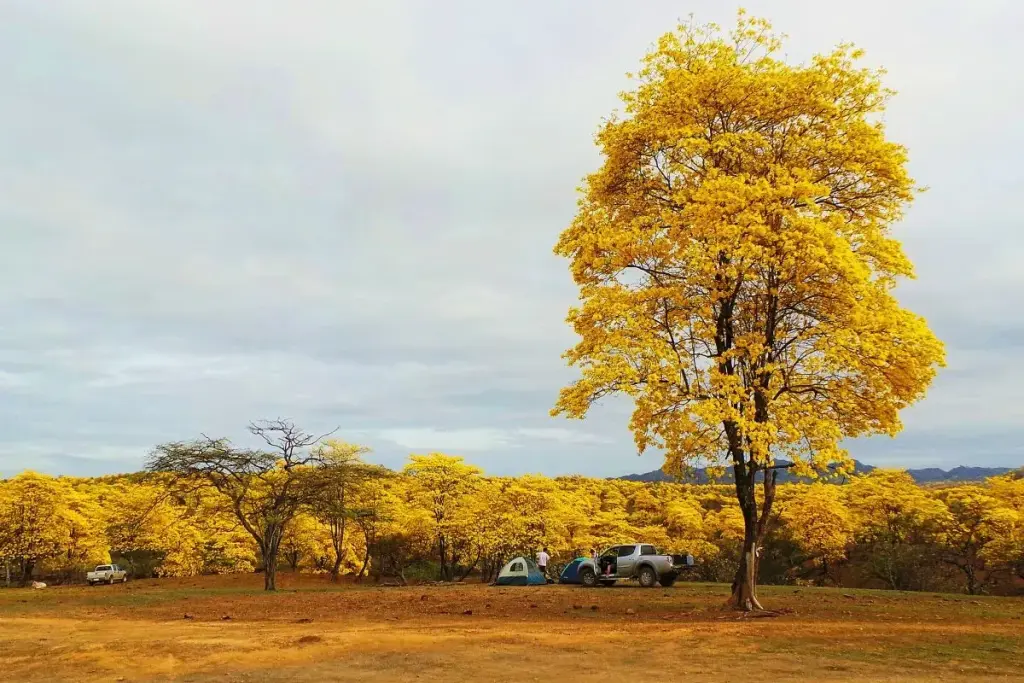
The tree selection follows historical and landscape criteria, reintroducing traditional varieties that had diminished or disappeared from these areas. Species include flamboyants, guayacanes, jacarandas, mahogany, frangipanis, and African tulips.
OCHCO officials said the planting reinforces the city’s identity and urban memory. Several of these trees once lined Colon’s streets and parks decades ago, before urban decline and neglect reduced their presence.
“The rescue of Colon is also built from its public spaces. When we plant a tree or recover a park, we are creating better conditions for citizens to reclaim these places” [Translated from Spanish]
The statement came from architect Joel Ceras, director of OCHCO, who framed the work as part of a broader strategy to restore civic pride and usability in the Atlantic coast city.
Second Phase to Include Civil Works and Infrastructure
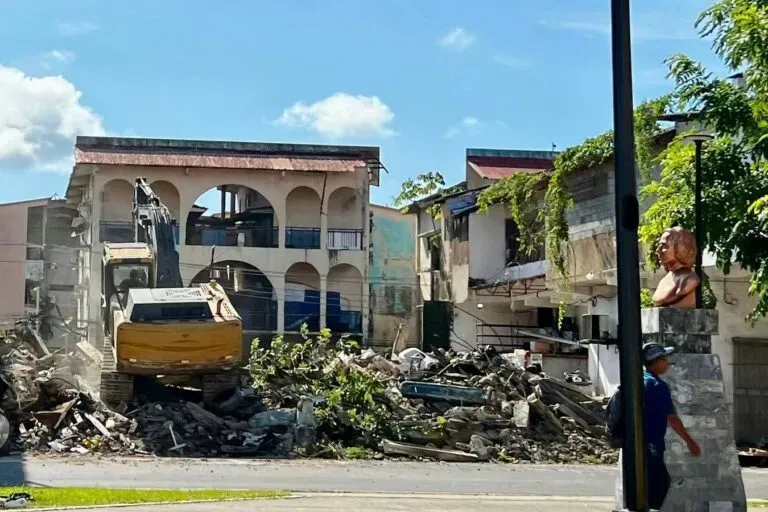
The arborization marks only the beginning. A second stage is scheduled to start in the coming weeks, adding civil works and the recovery of architectural elements and infrastructure in the same historic spaces.
That phase will address structural repairs, pedestrian infrastructure, and restoration of built heritage features. Officials have not yet released a specific budget for the second stage, but the combined effort signals a sustained public investment in Colon’s urban core.
Context for the Colon Historic Renovation Investment
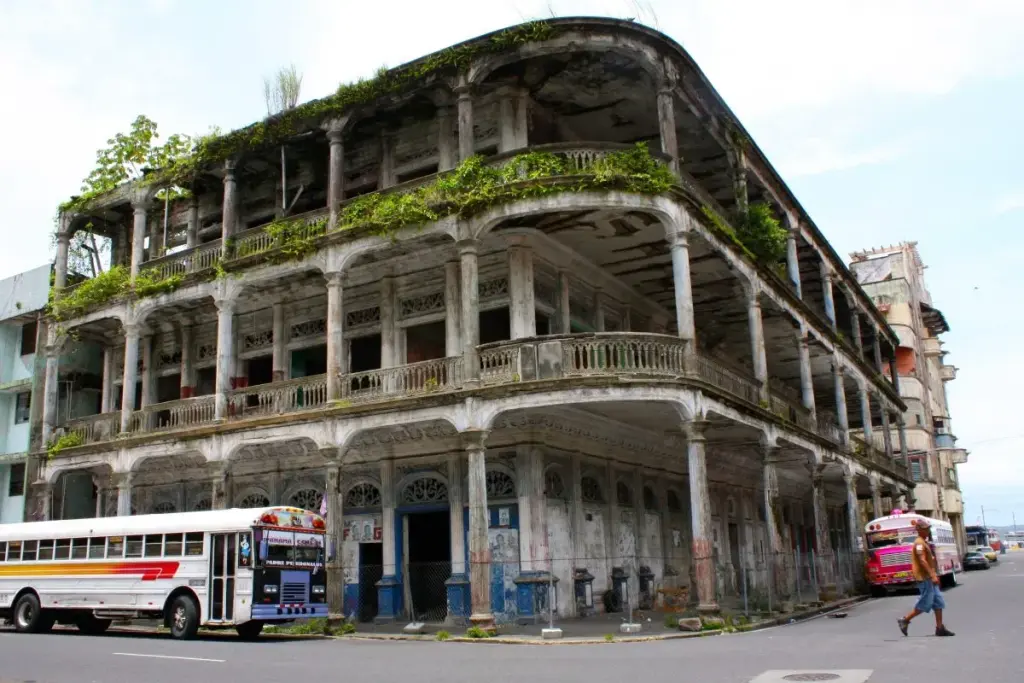
Colon has struggled with economic decline, population loss, and deteriorating infrastructure for decades. The city’s historic center contains significant early 20th-century architecture, much of it in advanced disrepair. Recent government initiatives have sought to reverse that trajectory through targeted public works and heritage preservation.
The OCHCO operates under Panama’s Ministry of Culture, which has prioritized the restoration of historic districts in both Panama City and Colon. The $900,000 first phase represents one of the larger recent investments specifically dedicated to public space recovery in the Caribbean port city.
Residents and local business owners have long called for improvements to parks and promenades that once served as gathering points for the community. The return of shade trees and maintained walkways is expected to improve pedestrian comfort and encourage greater use of these areas by both locals and visitors.
Renovación del Centro Histórico de Colón inicia con la siembra de árboles emblemáticos
— La Estrella de Panamá (@EstrellaOnline) September 23, 2026
La intervención considera el espacio público como parte del patrimonio urbano, junto con la arquitectura y los monumentos históricos https://t.co/vCZY1qmH82