


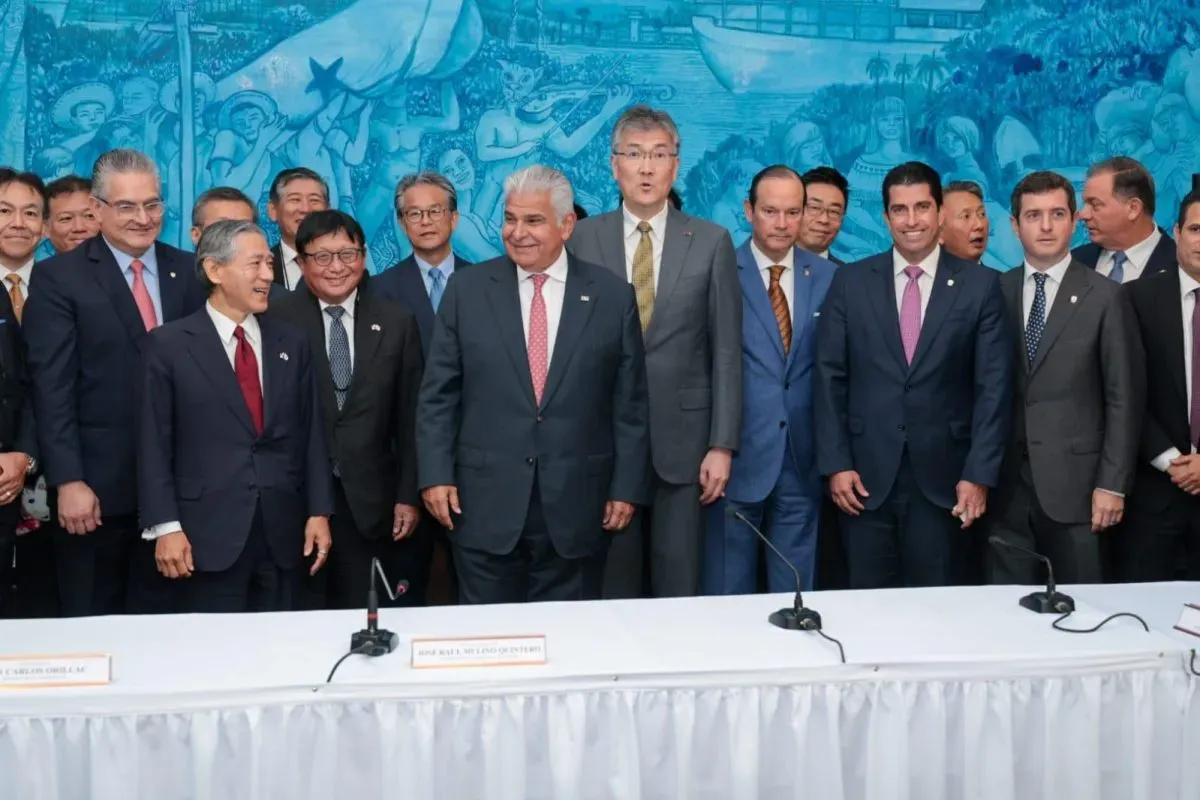
More than 1,600 of Japan’s most powerful corporations now have Panama in their sights. The Keidanren Japan Business Federation, the country’s premier private sector organization, sent a high-level delegation to Panama City this week for talks that could reshape the Central American nation’s infrastructure landscape. The meeting, held at the Palacio de las Garzas, signals a potential surge in Japanese investment across multiple sectors.
Fujimoto Masayoshi, who leads Keidanren’s Committee for Latin America and the Caribbean and serves as president of Sojitz Corporation, made the stakes clear. He told President Mulino that Panama plays a vital role in global supply chains and holds strategic importance for Japan’s economic security. Japan ranks as the third-largest user of the Panama Canal by cargo volume, a fact that underpins the deepening relationship between the two nations.
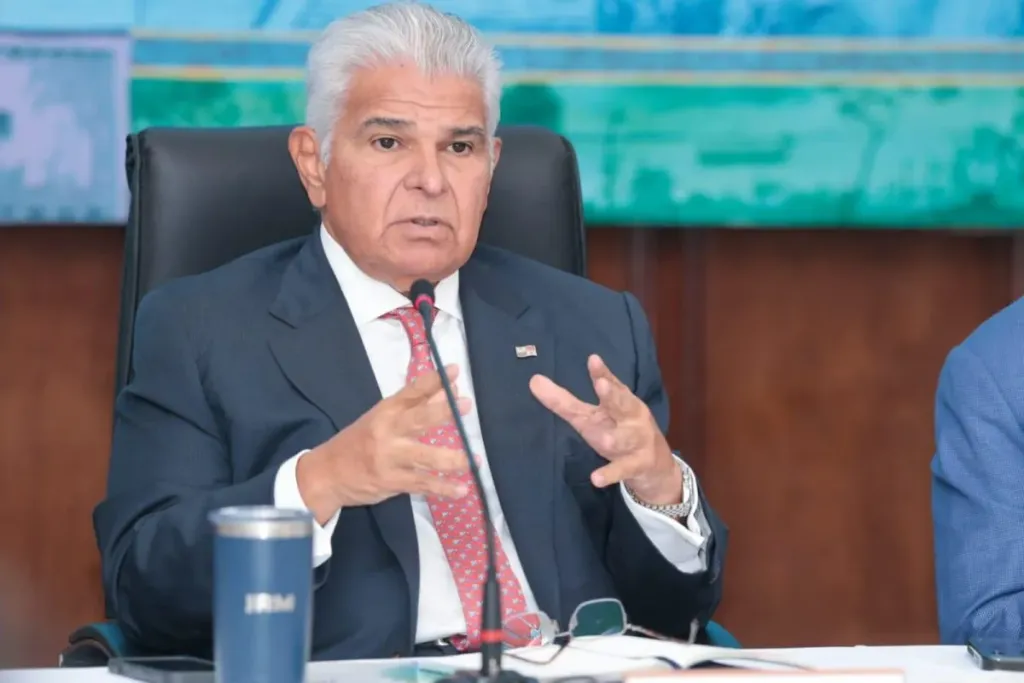
The timing of this diplomatic push matters. Panama has been aggressively courting foreign capital for its ambitious development agenda, and Japanese firms appear ready to answer that call. Masayoshi specifically requested that Panama consider signing a Panama-Japan Economic Partnership Agreement, which would provide a formal framework for bilateral trade and investment. President Mulino responded by instructing his cabinet ministers to begin the process immediately.
Infrastructure Projects Draw Japanese Interest
The Japanese delegation expressed enthusiasm for several of Panama’s signature megaprojects. Chief among them is the Panama Canal multipurpose reservoir Rio Indio, a critical water management initiative that would secure the waterway’s future operations. The reservoir project has been a priority for Canal authorities, who face increasing pressure from climate variability and growing water demand.
Japanese companies also showed interest in an ocean-to-ocean gas pipeline, new port developments, and the expansion of Panama City’s metro system. The Metro Line 3 extension to Costa Verde and the proposed Line 2A construction caught particular attention from the visiting business leaders. These transit projects represent billions of dollars in potential contracts and would dramatically reshape mobility in the capital region.
Waste management emerged as another area of cooperation. The modernization of the Cerro Patacón landfill, long a environmental challenge for Panama City, attracted serious consideration from Japanese firms with expertise in sustainable waste processing technologies.
Masayoshi praised Panama’s economic stability, calling it one of the most consistent performers in Central and South America. He cited the country’s transparency, tax incentives, and young skilled workforce as factors that have already attracted more than 40 Japanese companies to establish operations in Panama across sectors including commerce, transportation, finance, electronics, and entertainment.
Technology Hub Ambitions Take Center Stage
Beyond concrete and steel, the meeting explored Panama’s aspirations to become a regional technology hub. Japanese executives discussed making Panama more attractive for data centers and artificial intelligence development companies. This aligns with broader government efforts to diversify the economy beyond the Canal and financial services sectors.
The delegation represented an impressive cross-section of Japanese industry. Sojitz Corporation, ANA airlines, Sanrio Company, Sumitomo, Mitsui, Mitsubishi, MUFG Bank, Itochu, Nippon Koei, and Panasonic all sent representatives. These are not minor players testing the waters. These are industrial titans with the capital and expertise to execute projects on the scale Panama requires.
President Mulino opened the meeting by celebrating a recent aviation agreement between the two countries. The deal establishes a framework for direct commercial flights between Panama and Tokyo.
‘This will be a confirmation of the bridge of encounter in the logistical integration between you and us’ [Translated from Spanish]
Mulino said, extending an open invitation for Japanese businesses to explore Panama’s opportunities.
Diplomatic Momentum Builds Toward 2027
The meeting also carried forward momentum toward the Yokohama Green Expo 2027, a global exhibition focused on sustainable development. Masayoshi thanked Panama for accepting the invitation to participate in this event, which will showcase technologies that balance economic growth with environmental stewardship.
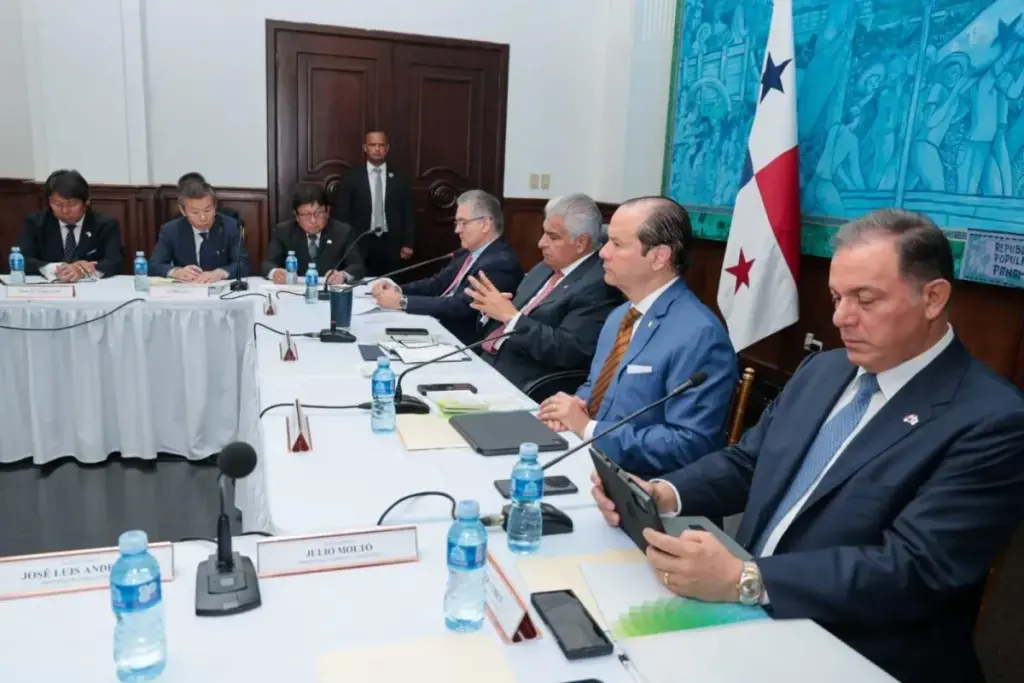
Panama’s delegation included key ministers from the presidency, foreign relations, commerce, public works, economy, and Canal affairs. The vice chancellor, Panama’s ambassador to Japan, the maritime authority director, and the general manager of Tocumen International Airport also participated in the discussions.
For Panama, the timing could not be better. The country is positioning itself as a stable investment destination in a region often characterized by volatility. Japanese capital brings not just money but technical expertise, long-term planning horizons, and access to broader Asian markets.
For Japan, Panama offers a strategic foothold in the Americas with world-class logistics infrastructure and a dollarized economy. The Canal remains the crown jewel, but the relationship appears poised to expand far beyond maritime transit. The coming months will reveal whether this high-level meeting translates into signed contracts and construction cranes, but the direction is clear. Panama is betting big on Japanese partnership, and Japan appears ready to place its own bet in return.