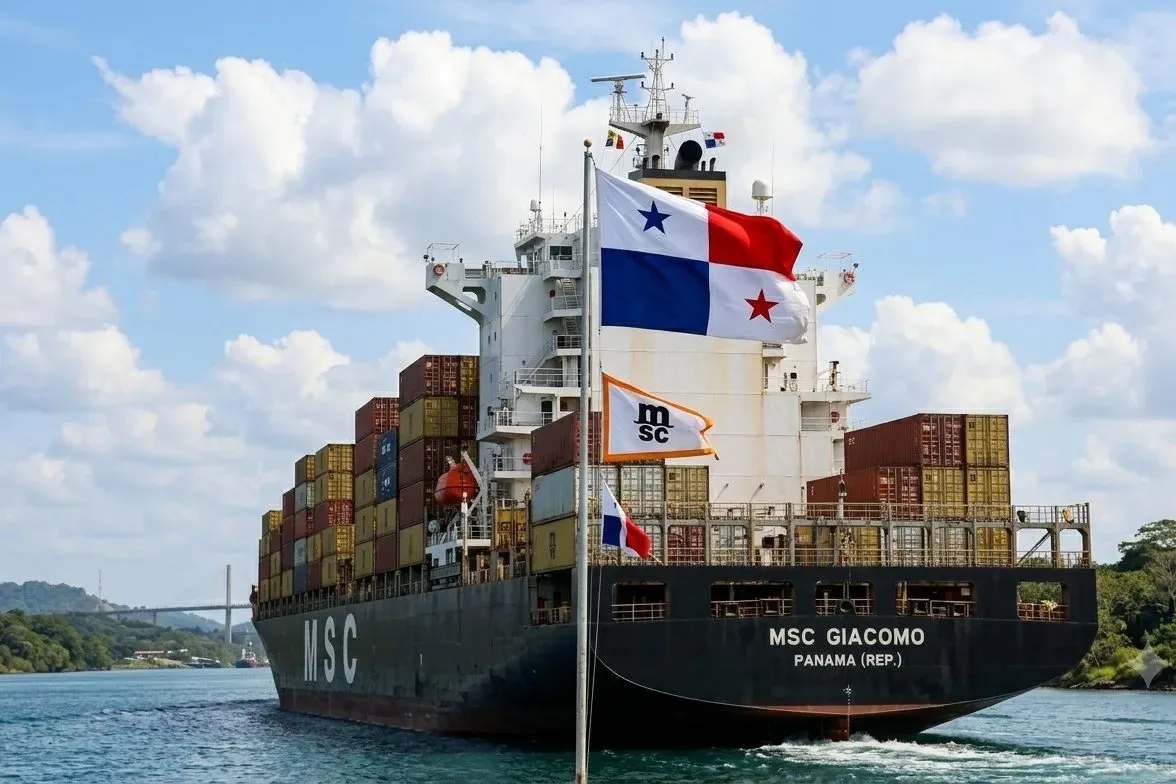
A high-level Panamanian delegation will travel to China in mid-July for urgent talks about ship detentions, a move that comes after an unprecedented spike in vessels flying the Panamanian flag being held in Chinese ports. The meeting, scheduled for July 16 to 18, marks a critical moment for bilateral maritime relations between the two nations.
The Ministry of Foreign Affairs of Panama announced that China’s Directorate General of International Cooperation under the Ministry of Transport accepted Panama’s request for the official visit. The delegation will be led by Luis Roquebert, Director General of the Panama Maritime Authority (AMP), accompanied by his technical team. Their primary objective involves strengthening maritime cooperation and addressing growing tensions over inspection procedures.
Diplomatic Mission Targets Maritime Agreement Renewal
Central to the discussions will be the renewal of the Panama-China Maritime Transport Agreement, originally signed in Beijing on November 17, 2017. This agreement, adopted through Panama’s Law 24 of 2018, requires renewal every three years. The pact was built on principles of equality, mutual benefit, freedom of navigation, and non-discrimination.
The talks will take place at the director-general level, with both sides expected to exchange technical expertise on Port State Control procedures. This mechanism allows maritime authorities to inspect foreign ships for compliance with international safety, environmental protection, and labor standards. When vessels fail these inspections, authorities can detain them until violations are corrected.
‘The mission reaffirms Panama’s commitment to developing maritime trade, navigation safety, and modernizing national sector capabilities’ [Translated from Spanish]
The timing of this diplomatic push is no coincidence. In June alone, 72 Panamanian-flagged vessels were detained worldwide, with 64 of those occurring in Chinese ports. The situation has escalated dramatically since March, following Panama’s decision to comply with a Supreme Court ruling from January 29 that declared the port concession contract between Panama Ports Company and the state unconstitutional. That ruling affected operations at the strategic ports of Balboa and Cristóbal.
Detention Numbers Paint Troubling Picture
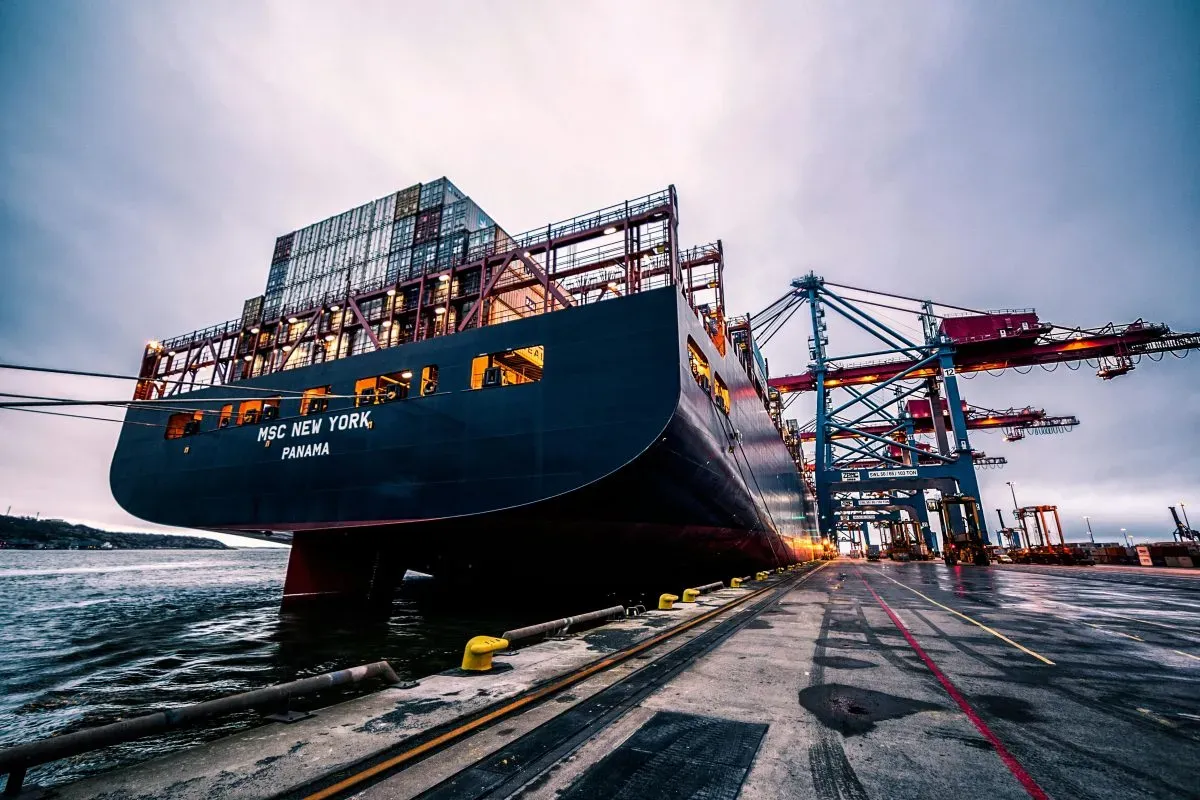
Statistics reveal the scale of the problem. So far in 2026, China has detained 473 ships registered under the Panamanian flag in its ports. This figure already surpasses the total of 256 detentions recorded throughout all of 2025. The sharp increase has raised alarm bells within Panama’s maritime administration and diplomatic corps.
The Panamanian flag remains one of the world’s largest shipping registries, making these detentions particularly significant for global trade routes. Each detained vessel represents delayed cargo, financial penalties, and potential reputational damage for both shipowners and the flag state.
Beyond the immediate detention issue, the delegation aims to promote best practices exchange and reinforce Panama’s position in international maritime commerce. The Ministry of Foreign Affairs emphasized that the visit seeks to strengthen bilateral cooperation and enhance Panama’s standing as a responsible flag state.
Panama’s maritime authorities have been working to improve their oversight mechanisms in recent years. The country’s return to the Paris MoU White List demonstrated progress in Port State Control compliance, though the current situation with China presents new challenges.
The outcome of these high-level talks could set the tone for Panama-China maritime relations for years to come. Both nations have significant economic interests at stake. China relies on efficient shipping routes for its exports, while Panama’s registry provides revenue and international influence. Finding common ground on inspection standards and detention procedures will be essential for maintaining the flow of maritime commerce between these two trading partners.