


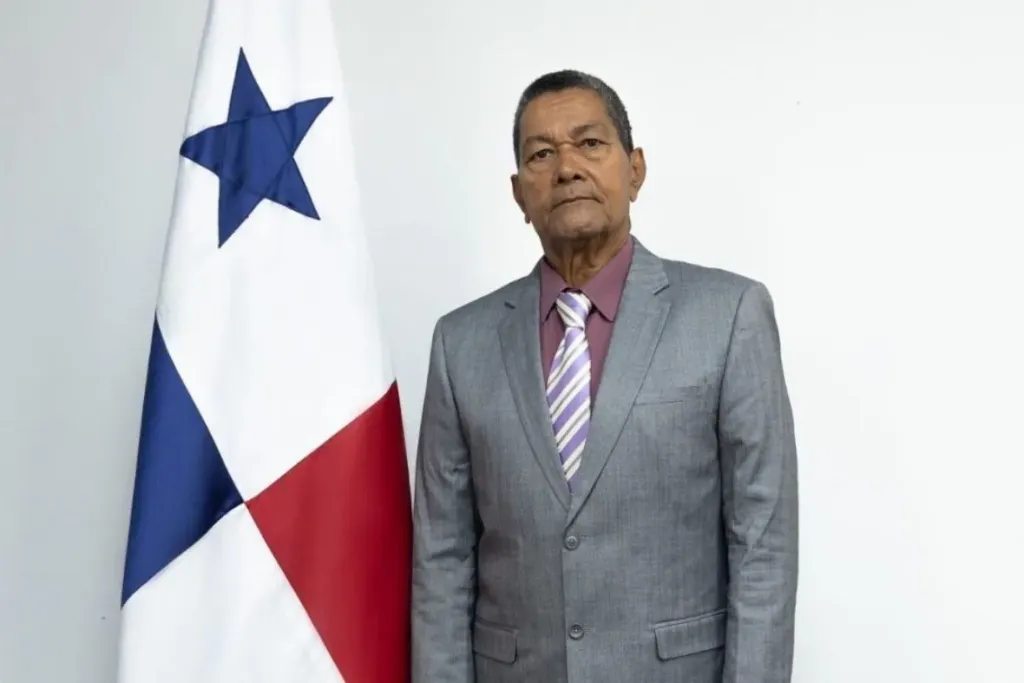
Inside Panama’s overcrowded prisons, a power shift is underway. The country’s new prison director has declared that incarcerated individuals will no longer control the facilities. Chanan Singh, recently appointed to lead the Panama prison system, announced a sweeping reclassification of inmates starting this week. His message was blunt.
“The deprived of liberty are not going to be in charge of the system,” Singh said during a television interview. “The state and the penitentiary system are going to assume their responsibility. The control of the deprived of liberty within the penitentiary system is over.” [Translated from Spanish]
The reclassification process will begin at the Tinajitas prison before expanding to other facilities nationwide. Singh discovered that basic prison classification had stopped entirely under previous leadership.
“I found that it was not being done,” he explained. “Starting Wednesday we begin the reclassification through the Tinajitas facilities.” [Translated from Spanish]
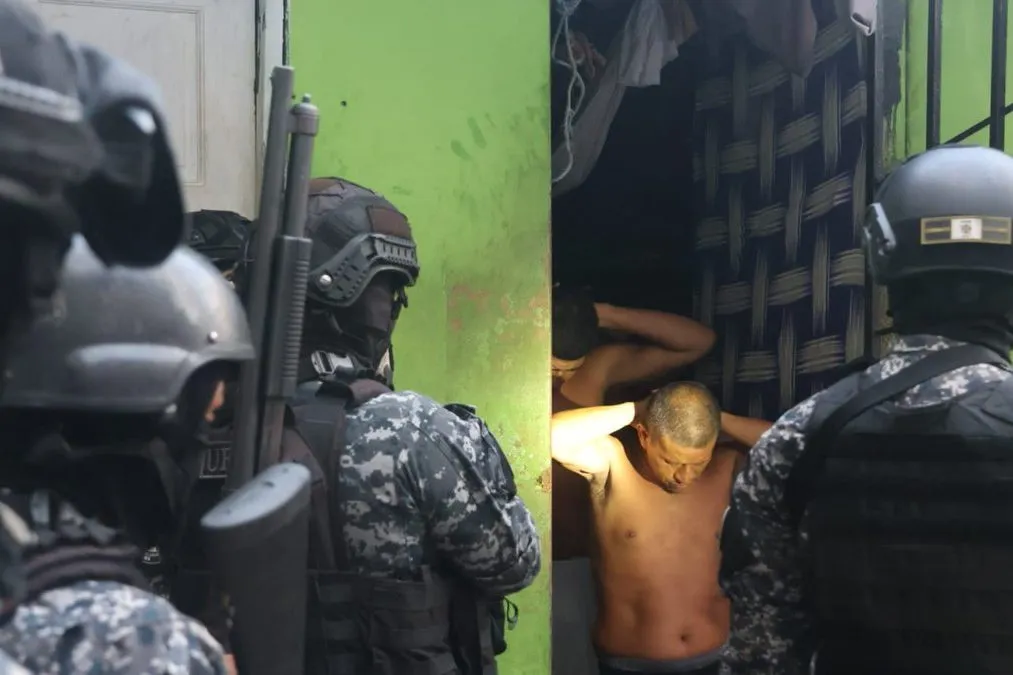
Inmates will now be divided into three groups based on their criminal profile. These categories separate low, medium and high-level offenders. Singh said the system will consider both the severity of the crime and the length of the sentence. This applies regardless of whether someone has been convicted or is still awaiting trial.
“We are going to separate them by crimes and by sentences,” he stated. [Translated from Spanish]
The goal is straightforward. Officials want to isolate inmates linked to organized crime and the most dangerous offenses. Mixing low-level offenders with hardened criminals has long been a problem in Panama’s detention centers. This new approach aims to break that cycle.
Security upgrades follow mass prison escape
The reclassification announcement comes just weeks after a major security breach. A mass escape occurred at the La Joya prison complex, which includes La Joyita and La Nueva Joya facilities. Singh promised that such incidents would not happen again.
“No one else is going to escape from there. I assure you,” he said. [Translated from Spanish]
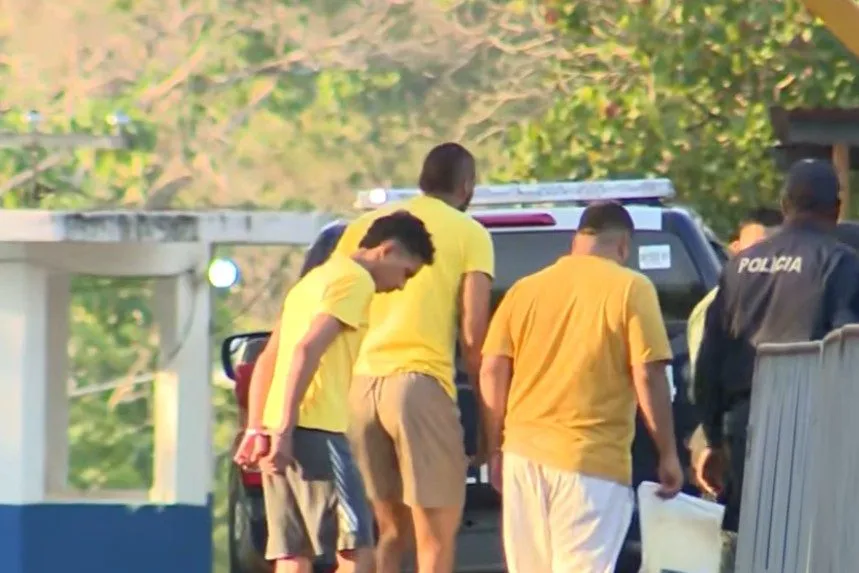
Multiple security measures are now being implemented. Damaged fences will be repaired. Anti-drone systems will be installed to prevent aerial deliveries of contraband or tools. The National Police will take over external perimeter security while prison guards focus on internal control of the cellblocks.
Investigations into the escape are progressing rapidly. Singh indicated that authorities have identified both internal collaborators and external accomplices.
“We already have all the lines and soon we are going to publish who the ringleaders were, both internal and external, because there were external people who participated against the system,” he said. [Translated from Spanish]
New prison construction and business closures
Beyond immediate security fixes, Singh outlined longer-term infrastructure plans. A mega-prison project is moving toward the bidding phase. This facility will be developed through a public-private partnership. The location remains under review, officials said.
Additional correctional facilities are planned for Penonomé and Veraguas. Currently, prisons in those areas operate inside National Police stations. A new center in Pacora will focus specifically on rehabilitation programs. These projects aim to reduce overcrowding and separate different inmate populations more effectively.
Singh has also taken swift administrative action. Small food businesses operating inside prisons, known locally as “paquitos,” have been shut down. He described these as unauthorized commercial operations that had become problematic. The system will also ban inmates from bringing in fans, televisions and cooking equipment. Instead, a state-run store will sell hygiene products at reduced prices.
“The state already maintains a contract to guarantee food for the prison population,” Singh noted.
He called on family members to become allies in the transformation process rather than facilitating contraband or unauthorized activities. The government has appointed a Penitentiary System Singh with specific orders to restore order. The New Director has made clear that corruption and inmate control of facilities will no longer be tolerated.

Panama’s prison system has faced international scrutiny for years. Overcrowding, violence and escapes have plagued the institutions. Whether this reclassification and security overhaul can reverse those trends remains to be seen. But Singh’s initial actions suggest a break from past practices. The separation of inmates by risk level represents a fundamental shift in how Panama manages its incarcerated population.