


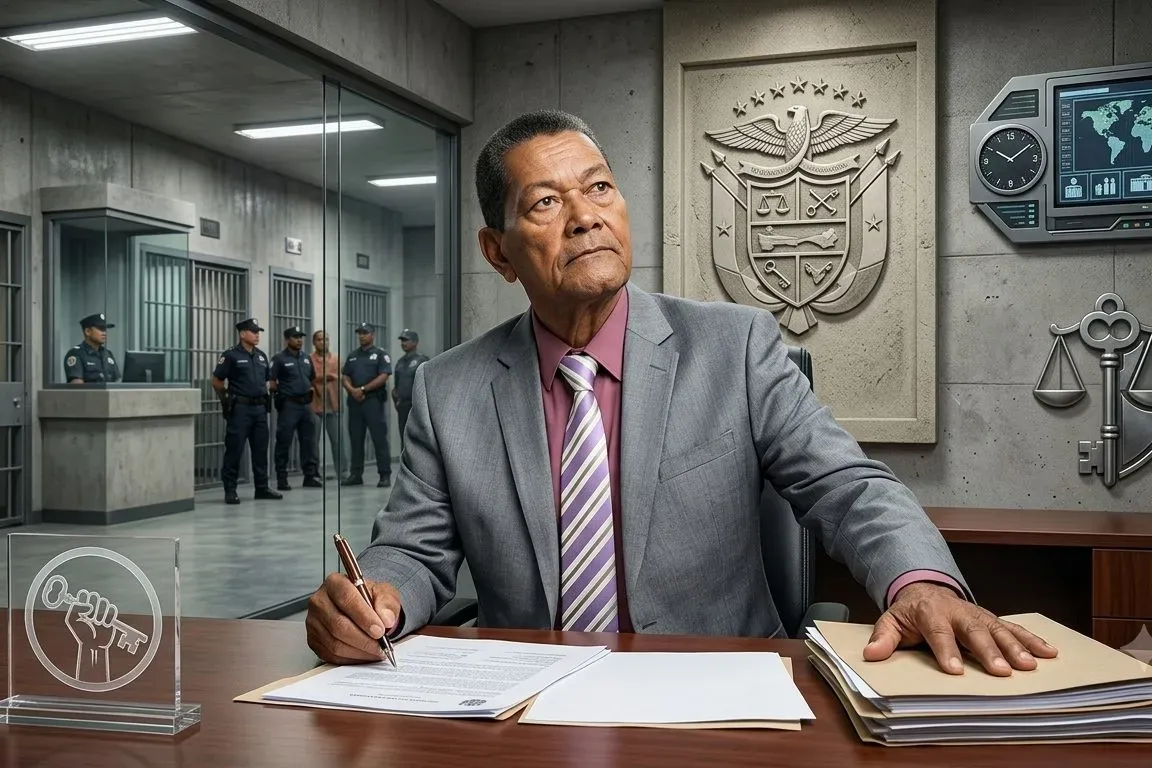
Dozens of relatives carrying handwritten signs gathered outside Panama’s Ministry of Government on Tuesday, demanding changes to strict restrictions inside several detention centers. The protesters, many holding photos of incarcerated family members, said they could no longer deliver basic necessities like soap, medicine and other essential supplies to their loved ones behind bars. The demonstration marked the first major public test for the country’s newly appointed prison director.
After the protest, a small delegation of family members met with Chanan Singh, who took over as head of the Panama penitentiary system just days earlier. Singh listened to their complaints about visitation rules and supply limitations that have frustrated families for months. The meeting lasted over an hour, and Singh emerged with a clear message for the public.
‘The position of the Penitentiary System is really to try to solve all the problems that exist, because there are many. I have invited them to be part of my external team to solve the problems. We are going to address both the administrative aspect and the technical and security aspects of the entire penitentiary system’ [Translated from Spanish]
Singh did not stop at administrative promises. He drew a hard line on misconduct within the prison system, warning that his administration would not tolerate illegal activities from any direction. He specifically singled out prison corruption as a primary target, stating that both staff members and inmates would face consequences for breaking the rules.
‘We are going to do the work as it should be done. Corruption is over. There will be zero tolerance for corruption, both for our officials and for those deprived of liberty’ [Translated from Spanish]
The timing of Singh’s appointment comes at a critical moment for Panama’s correctional system. Overcrowding, understaffing and allegations of bribery have plagued detention centers for years. Previous directors struggled to implement lasting reforms, and critics say the system has become a breeding ground for abuse and favoritism. Singh’s pledge to clean house signals a potential shift in how the government approaches prison management.
Families Demand Immediate Action on Restricted Access
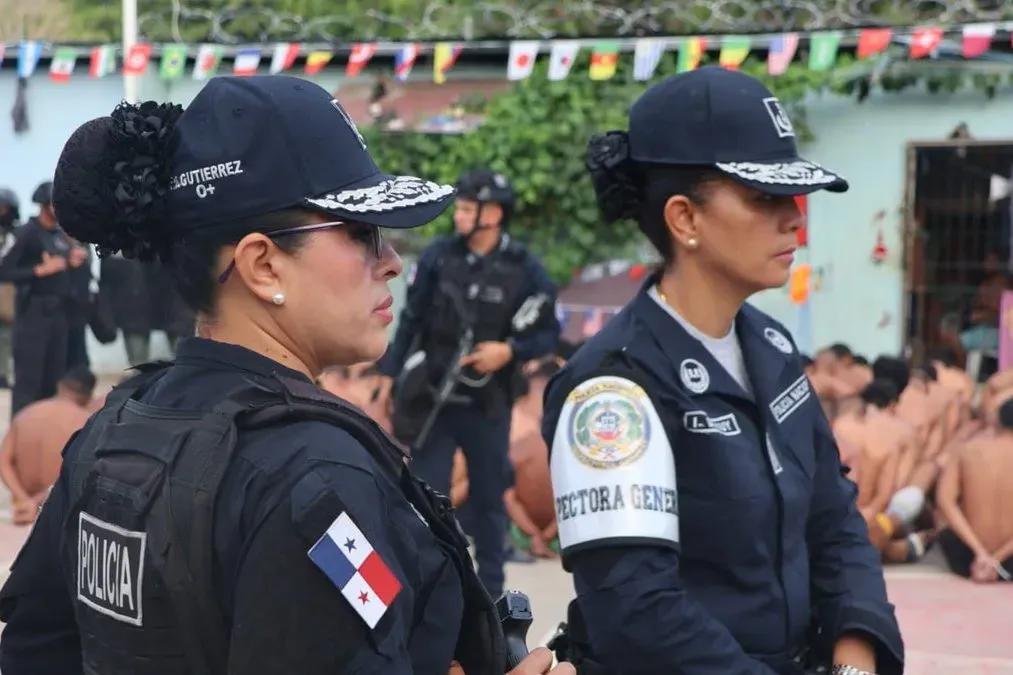
The protesters who gathered Tuesday represented a cross-section of families affected by the current policies. Many said the restrictions on personal hygiene items and medications had created dangerous conditions for inmates. One woman, who declined to give her name out of fear of retaliation, told reporters that her son had not received his prescribed asthma medication for three weeks. She blamed bureaucratic delays and staff indifference for the problem.
The demonstration highlighted a growing tension between security concerns and basic human needs inside Panamanian prisons. Authorities have defended the restrictions as necessary to prevent contraband and maintain order. But families argue that the measures go too far, punishing inmates and their relatives for the actions of a few bad actors. Singh acknowledged the validity of both perspectives during his meeting with the delegation, promising a balanced review of each facility’s policies.
Singh’s background includes experience in both public security and administrative reform. His appointment signals that the government wants a hands-on leader capable of navigating the complex politics of prison management. He has already stated that his team will conduct a nationwide assessment of all detention centers to identify the most urgent problems. That review will cover everything from infrastructure to staff training to inmate welfare.
Reform Agenda Faces Major Obstacles
Panama’s prison system has long been a source of concern for human rights organizations and international observers. Reports of violence, Prison System mismanagement and escape attempts have made headlines repeatedly over the past decade. The country has experimented with different leadership styles and policy approaches, but sustainable change has remained elusive.
Singh inherits a system where trust between inmates, staff and the public has eroded significantly. His zero-tolerance stance on corruption could help rebuild credibility, but only if backed by concrete actions. Observers will be watching to see whether he follows through on his promises or whether bureaucratic inertia stalls his agenda. The government has also invested in new prison facilities to address overcrowding, but construction timelines have slipped repeatedly.
For the families who protested on Tuesday, words are not enough. They want to see immediate changes to visitation rules and supply restrictions. Singh has asked for patience, but the demonstrators made it clear that they will continue to pressure the government until conditions improve. The new director has promised to keep communication channels open, inviting family members to serve as an external oversight committee.
Whether that partnership produces results remains to be seen. But one thing is certain: Singh’s tenure began not with a ribbon-cutting ceremony or a press conference, but with the voices of ordinary Panamanians demanding accountability. That may be the most telling sign of what lies ahead for the country’s troubled prison system.