


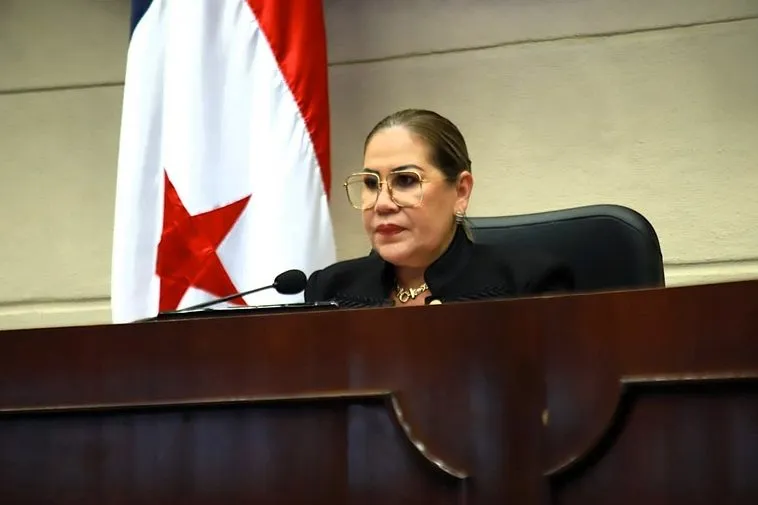
The political landscape inside Panama’s Legislative Branch has shifted dramatically. Three lawmakers recently left the Vamos bancada, shrinking it to 15 members. This change has created a new power dynamic. Now, the fight for control of the Budget Committee is exposing the true strength of the alliances that put Shirley Castañeda in the speaker’s chair.
For Panama’s National Assembly, committee assignments are more than bureaucratic housekeeping. They are the real measure of political power. The Budget Committee is widely seen as the most influential permanent commission. It controls the purse strings of the government. Whoever leads it has a direct hand in shaping national spending priorities.
A Two-Party Ambition for One Chair
The Democratic Revolutionary Party (PRD) has made clear its desire to take the helm of this committee. But they are not alone. The Cambio Democrático (CD) bancada wants to keep the seat warm for its current leader, Deputy Eduardo Vázquez. This clash is the first real test of the political deals that brought Castañeda to power.
‘Every member of our bancada would like to preside over one of the most important commissions in our Assembly, but we have an interest in our colleague Eduardo Vázquez continuing to preside over the commission. He has done a very good job, and we want to continue working with transparency for the country’ [Translated from Spanish]
Didiano Pinilla, the CD bancada chief, made that statement. He acknowledged that the game has changed. The reduction in Vamos’s size has altered the balance of forces. Pinilla said each bancada still needs to formally name its representatives for the various commissions. Until then, the jockeying continues behind closed doors.
Negotiation or Floor Fight
PRD Deputy Raúl Pineda sees the new math differently. He argued that the departure of three Vamos members makes the distribution of commission seats more balanced. In his view, no single bloc can dictate terms. The outcome will depend entirely on negotiations and the votes each political group can secure.
If the bancadas cannot reach a consensus on who sits where and who leads what, the decision goes to the full floor of the Assembly. A public vote would expose the cracks in any coalition. It would force every deputy to pick a side, revealing the true loyalties behind the public alliances.
Internal Rules Under Revision
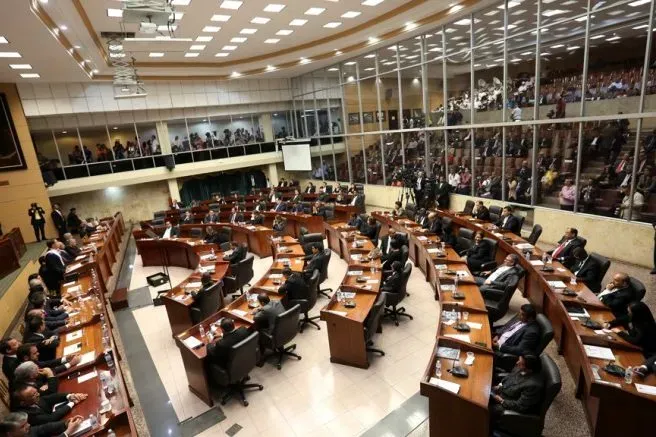
While these negotiations play out, the plenary has started a second debate on reforms to the Assembly’s internal regulations. This is a crucial parallel process. The new rules will define how the Legislative Branch operates for the current term. These reforms could change how committees are formed, how votes are counted, and how power is distributed.
The timing is not accidental. The bancadas are fighting for position in the committees at the same time they are rewriting the rulebook. This gives the majority a chance to lock in advantages that will last for years. It also gives minority parties a reason to dig in and demand concessions on the committee assignments before they agree to any rule changes.
Panama’s Assembly has seen similar power struggles before. The Budget Committee has historically been a prize that defines legislative sessions. Control of that committee can make or break a government’s agenda. It can slow down projects, redirect funds, or force compromises on major policy initiatives.
For now, the public statements are diplomatic. But the private conversations are intense. The PRD wants to prove its alliance with Castañeda has real weight. CD wants to hold onto a position it believes it has earned through competent leadership. And the smaller bancadas are watching closely, ready to throw their support to whichever side offers them the best deal.
The coming days will show whether the alliances that elected Castañeda are strong enough to survive a real test. If they can agree on the Budget Committee chair, the coalition will look stable. If they cannot, the floor vote will force a public reckoning that could reshape the Assembly’s power structure for the rest of the term.