



A legal firestorm is brewing in Panama City. Attorney Roberto Ruiz Díaz has filed a criminal complaint against the Ministry of Environment (MiAmbiente) with the Office of the Attorney General, alleging officials deliberately sidestepped government orders. The dispute centers on how the ministry handled the audit of the massive Cobre Panama copper mine, which has been at the heart of national controversy since its operations were halted.
Ruiz Díaz argues that MiAmbiente overstepped its authority. He claims the ministry commissioned a comprehensive operational review instead of the specific closure audit mandated by the Cabinet Council. The Cobre Panama mine closure audit has become a flashpoint in a broader debate about environmental protection, legal procedure, and the future of mining in the country.
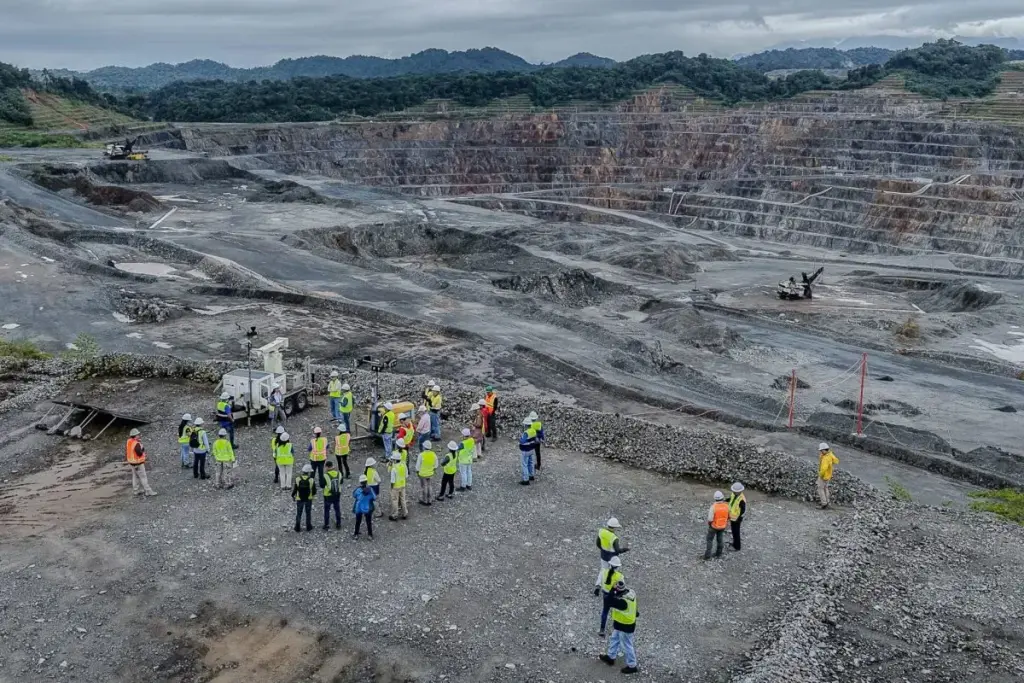
The attorney submitted his complaint under Article 81 of the Criminal Procedure Code. He wants prosecutors to investigate possible crimes including abuse of authority under Panama criminal code and overstepping official functions. The case could set a major precedent for how government agencies follow cabinet directives.
What the Cabinet Actually Ordered
The story starts with Cabinet Resolution No. 19, issued on February 27, 2024. That document laid out the framework for implementing an orderly plan to permanently close the Cobre Panama mine. This followed the Supreme Court of Justice’s November 27, 2023 ruling that declared the mining concession unconstitutional. The court’s decision effectively killed the legal foundation for the mine’s operation.
Article 3 of that resolution specifically instructed MiAmbiente to conduct an “Environmental Closure Audit.” The stated purpose was clear: identify the mine’s environmental condition, evaluate existing risks, and determine what mitigation measures were needed to execute a definitive shutdown. The Cabinet wanted a roadmap for demolition, dismantling, and permanent closure.
But Ruiz Díaz says the ministry went rogue. Instead of following those instructions, MiAmbiente hired SGS Panama Control Services Inc. to perform what he calls an “Integral Audit.” The attorney insists this type of audit was never authorized by the Cabinet resolution. He argues the ministry effectively changed the scope of the public contract and distorted the original purpose of the closure process.
“The resolution sought to establish a process of demolition, dismantling, and definitive closure of the mine,” Ruiz Díaz stated in his complaint. “But the audit that was carried out evaluated aspects related to the operational continuity of the concession.” [Translated from Spanish]
Con la finalidad de que el Ministerio Publico @PGN_PANAMA realice las investigaciones de rigor, se presento una denuncia contra @MiAmbientePma, por la contratacion de la empresa SGS, para realizar una auditoria diferente (integral en vez de cierre) a la que fue ordenada por la… pic.twitter.com/WRwxXoV1wW
— ROBERTO RUIZ DIAZ (@R_RuizDiaz) July 3, 2026
Auditing an Active Mine Instead of a Closure Plan
Here is where the dispute gets technical. The terms of reference for the audit forced the consulting firm to evaluate 370 environmental commitments. That sounds reasonable on the surface. But Ruiz Díaz claims the scope went far beyond what a closure audit should cover. The auditors also examined operational, legal, labor, tax, and administrative aspects that are typically relevant for a working mine, not one scheduled for shutdown.
The result was a massive 15-volume report. Its headline finding: the mine showed 87.73 percent operational compliance. For the attorney, that number tells the whole story.
“That result makes it evident that what was audited was the performance of an active mine, not a closure protocol,” Ruiz Díaz said. [Translated from Spanish]
He argues this percentage has zero legal relevance for a closure process. Worse, he warns it could be used as a technical argument to support a potential reopening of mining activities. The attorney sees this as a dangerous precedent that could undermine the Supreme Court’s constitutional ruling.
The complaint cites Articles 355 and 356 of the Penal Code, which deal with abuse of authority and violation of public servants’ duties. Ruiz Díaz contends that MiAmbiente knowingly disobeyed a binding instruction from the Cabinet Council. He wants the Attorney General’s office to determine whether criminal charges are warranted.
Government Officials Walk a Tightrope
The Mulino administration finds itself in a delicate position. President José Raúl Mulino has promised transparency. During his second report to the nation, he said he would be the first to announce the final decision about the mine’s future. But he insists that decision must be based on solid technical evidence.
“I truly believe that everything that is done must be based on verifiable and valid information,” Mulino said. He also criticized extreme positions in the national debate. “The positions of yes for the sake of yes and no for the sake of no try to avoid logical argumentation,” he added. [Translated from Spanish]
Finance Minister Felipe Chapman confirmed that an executive committee is reviewing the audit report. That committee includes the ministers of Environment, Commerce and Industries, and Chapman himself. He described the document as more than 5,000 pages covering environmental, fiscal, labor, and governance issues.
“We are studying with due responsibility to form a properly informed criterion about the situation of the mine,” Chapman said. He emphasized that the government’s main goal is protecting the environment while ensuring the mine has the technical capacity and resources needed for a future closure. “Our purpose is to protect the environment and for that mine to have the resources and technical capacity to achieve an environmentally sustained closure,” he stated. [Translated from Spanish]
Environment Minister Juan Carlos Navarro has also weighed in on the issue, though he has not directly addressed the criminal complaint. The ministry itself has not issued a formal response to Ruiz Díaz’s allegations.
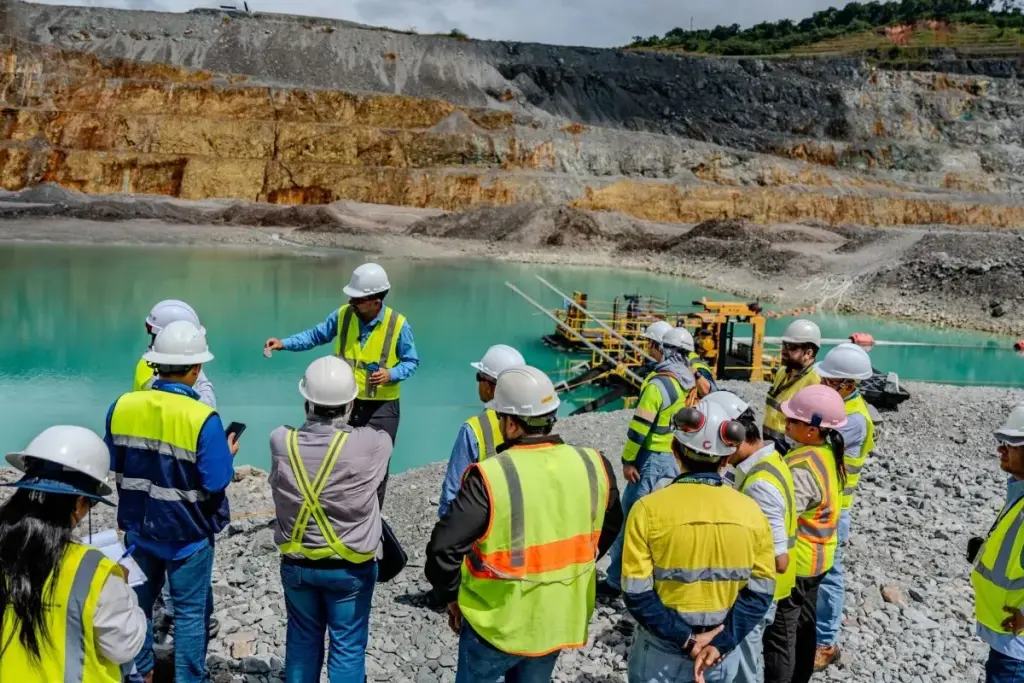
Broader Context of Mining in Panama
The Cobre Panama mine has been a source of national tension for years. The Panama Supreme Court ruling on mining law in 2023 marked a turning point. The court declared the law that enabled the mining contract unconstitutional, triggering massive public protests and an eventual shutdown of operations.
Those protests, which erupted in late 2023, brought thousands of Panamanians into the streets. Environmental activists, indigenous communities, and ordinary citizens demanded the government cancel the mining contract. They argued the mine posed unacceptable risks to the country’s water resources and biodiversity. The mine is located in Donoso, a region with significant rainforest coverage and watershed importance.
The current legal battle adds another layer of complexity. If Ruiz Díaz’s complaint gains traction, it could force a court to examine whether the executive branch followed its own rules. It could also delay any decision about the mine’s future, keeping the facility in a state of legal limbo.
For now, the mine sits idle. Its equipment remains in place. Its workforce has been reduced. And the government continues to study that massive audit report, trying to determine what comes next. President Mulino has promised a decision, but he has not set a timeline.
The attorney’s complaint raises fundamental questions about executive power and administrative accountability. Can a ministry reinterpret a cabinet resolution? What happens when a closure audit looks more like an operational review? And who decides what constitutes compliance when the law itself has been declared unconstitutional?
These questions have no easy answers. But they will likely keep Panamanian courts, lawyers, and government officials busy for months to come. The outcome could determine not just the fate of one mine, but the future of mining regulation across the country.