


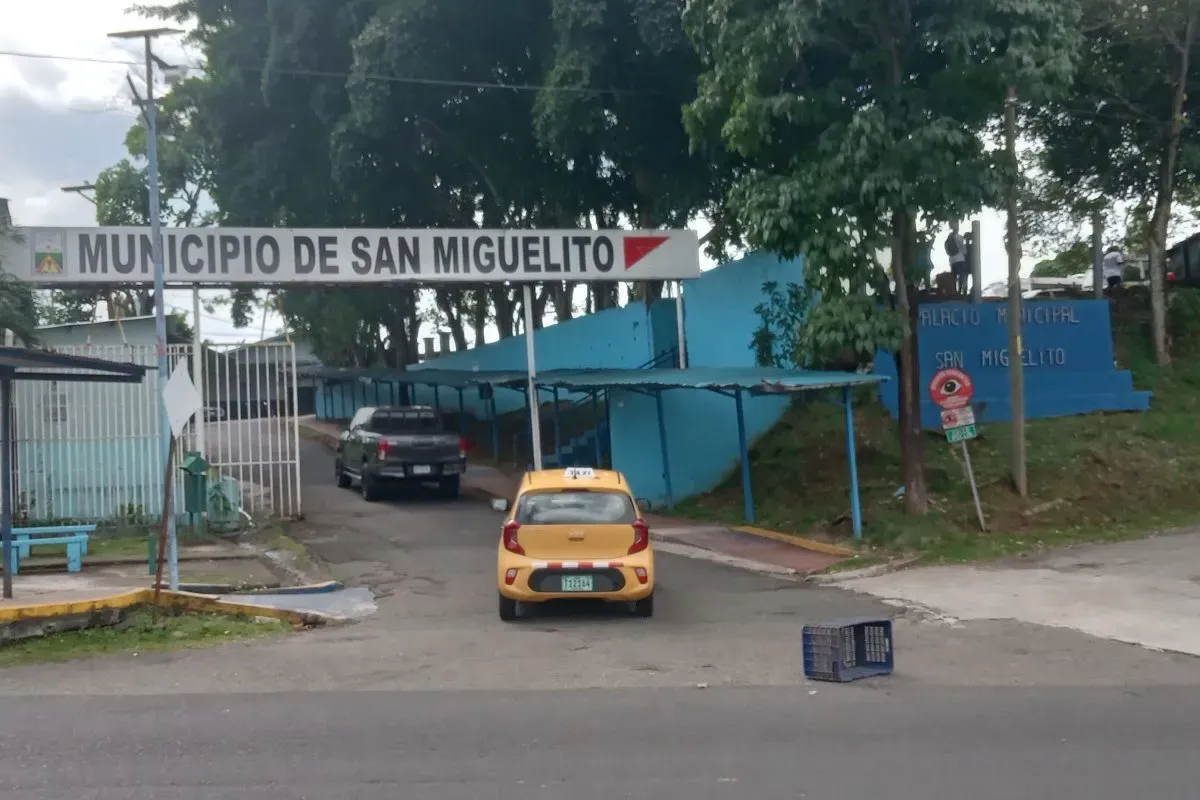
The municipality of San Miguelito has officially launched a sweeping cost-cutting initiative designed to tighten public spending through the remainder of 2026. Local officials confirmed the measures took effect on July 3, following publication in the Official Gazette under decree number 30560. The move represents one of the most aggressive fiscal restraint efforts seen at the municipal level in Panama this year.
Mayor Irma Hernández signed off on the austerity plan, which immediately restricts hiring, purchasing, travel allowances, and other operational expenses across all municipal departments. The decree mandates that every city agency must now justify any spending that falls outside these new guidelines. Only expenditures deemed absolutely essential for keeping the institution running will receive approval going forward.
“We cannot continue operating as if resources were unlimited,” Hernández stated in the official document. “This administration is committed to responsible financial management and ensuring that every balboa serves the people of San Miguelito” [Translated from Spanish].
What the New Restrictions Cover
The San Miguelito austerity plan targets several specific categories of municipal spending. Hiring freezes apply across all departments, meaning no new permanent or temporary staff can be brought on board unless previously approved under exceptional circumstances. Representation expenses, which often cover official events and entertainment, face significant reductions. Travel allowances and official missions are also limited, with stricter oversight on who can travel and for what purpose.
Beyond personnel costs, the decree places tight controls on purchasing furniture, equipment, vehicles, and other non-essential goods. Administrative units must now coordinate with central finance authorities before making any acquisition. The directive also pushes for savings in basic services like electricity and water, along with tighter controls on fuel, paper supplies, printing, and other day-to-day operational costs.
These restrictions come at a time when many Panamanian municipalities face mounting financial pressure. The national government has encouraged local administrations to adopt similar measures, emphasizing that Panama fiscal discipline at all levels of government remains critical for long-term economic stability. San Miguelito’s move aligns with broader trends across the country, where several other mayors have announced comparable belt-tightening initiatives in recent months.
Immediate Implementation and Oversight
Decree No. 10-2026 took effect immediately upon its publication on July 3. All municipal departments received instructions to begin applying the new rules without delay. Directors and unit heads must now submit detailed justifications for any expenditure that deviates from the austerity guidelines. The decree also requires regular reporting to ensure compliance and to track overall savings achieved through the program.
Municipal officials emphasized that these measures aim to protect essential public services. The austerity plan does not target frontline services like trash collection, street maintenance, or public safety. Instead, the focus falls on administrative overhead and discretionary spending categories that can be reduced without directly impacting residents.
San Miguelito has faced persistent budget challenges in recent years. Population growth and increased demand for municipal services have stretched resources thin. The city’s leadership argues that without these tough measures now, more drastic cuts or service interruptions could become necessary later. By acting proactively, the administration hopes to stabilize finances while maintaining service quality for the community.
Broader Context for Municipal Budgets
Panama’s local governments have historically struggled with revenue collection and expenditure control. Property taxes, business licenses, and user fees represent the main sources of municipal income, but collection rates often fall short of projections. Meanwhile, costs for salaries, pensions, and operations continue to rise. This structural imbalance has forced many municipalities to seek creative solutions or face financial crisis.
The San Miguelito austerity decree follows similar actions taken by other Panamanian cities. The national government has also pushed for greater transparency and efficiency in public spending through various legislative and administrative reforms. These efforts reflect a growing recognition that fiscal responsibility cannot wait for economic booms but must be practiced consistently even during periods of growth.
For residents of San Miguelito, the immediate impact may be subtle. They will likely notice fewer official events, reduced municipal advertising, and perhaps slower responses to non-urgent administrative requests. However, the city government insists that core services will continue uninterrupted. The real test will come in the months ahead, as the administration monitors whether these austerity measures achieve their intended savings without undermining public trust or service delivery.
Local business owners and community leaders have expressed cautious support for the initiative. Many acknowledge that tough choices are necessary but want assurance that savings will be redirected toward improving infrastructure and social programs rather than simply sitting in reserve accounts. The municipality has promised to publish periodic updates on the results of the austerity plan, allowing public scrutiny of its effectiveness.
As Panama’s economy continues to evolve, municipal governments across the country face increasing pressure to modernize their financial management practices. San Miguelito’s bold step may serve as a model for other cities grappling with similar challenges. Whether the plan succeeds or stumbles will depend on consistent enforcement, transparent reporting, and the willingness of both officials and citizens to accept short-term constraints for long-term stability.