


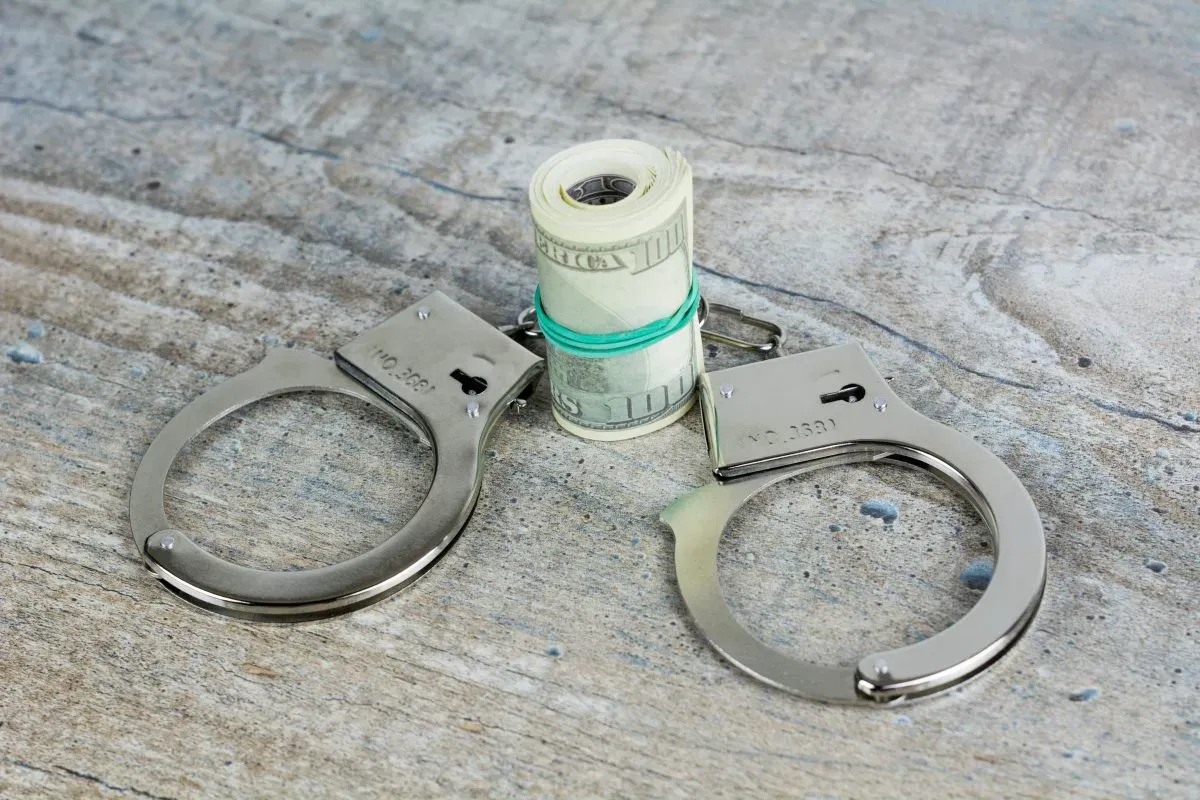
The fight against public sector corruption in Panama has yielded tangible results, with authorities recovering more than seven million dollars from ongoing investigations. Senior prosecutor Adela Cedeño announced the milestone after a court hearing involving three customs officials accused of demanding illegal payments from a service user. The recovery represents a concrete victory for the Anti-Corruption Prosecutor’s Office Panama in its broader campaign against administrative crimes.
Cedeño spoke to reporters following a guarantee control hearing where three employees of the National Customs Authority faced formal charges. One suspect received provisional detention while the other two must report regularly and remain suspended from their positions. The case highlights how prosecutors are moving aggressively against public officials who abuse their authority for personal gain.
“The anti-corruption prosecutors have carried out multiple operations backed by strengthened investigations,” Cedeño said. “These efforts allow us to present cases before guarantee judges, and as we saw today, they result in provisional detentions.” [Translated from Spanish]
Nuestro Centro de Recepción de Denuncias trabaja las 24 horas 🕛del día para atender a todos los ciudadanos que necesiten de la @PGN_PANAMA, pero ¿sabes cómo presentar una denuncia?
— Procuraduría General de la Nación (@PGN_PANAMA) June 30, 2026
✅Aquí te explicamos dónde acudir y los pasos que debes seguir👇 pic.twitter.com/UQ0Rn0CcVa
Most Common Crimes Under Investigation
The prosecutor outlined the types of administrative offenses that dominate the anti-corruption docket. Embezzlement of public funds leads the list, followed by corruption of public servants, unjustified enrichment, and improper withholding of quota payments. These categories reflect the systemic challenges Panama faces in safeguarding state resources and ensuring accountability among government employees.
The seven million dollars recovered so far came from multiple active cases. Cedeño emphasized that state institutions have directly benefited from these recoveries. “We are talking about approximately seven million dollars that state institutions have been able to recover,” she said. [Translated from Spanish]
This financial recovery sends a strong signal that corruption carries consequences beyond criminal penalties. It also demonstrates that Panama’s justice system can claw back stolen assets, a critical component of any effective anti-corruption framework. Without such recovery mechanisms, convicted officials could simply wait out their sentences and enjoy ill-gotten gains upon release.
Customs Case Reveals Pattern of Abuse
The recent case involving customs officers fits a troubling pattern of misconduct within border enforcement agencies. According to court documents, the three officials allegedly demanded improper payments from a person seeking services from the Panama National Customs Authority. Such behavior undermines trust in institutions responsible for regulating trade and collecting government revenue.
Panama’s customs operations handle billions of dollars in goods annually. When officials exploit their positions for bribes or kickbacks, the damage extends beyond individual victims. It distorts trade flows, disadvantages honest businesses, and deprives the state of legitimate revenue. The prosecution of these three officers represents an effort to restore integrity to a critical government function.
The court’s decision to impose different measures on the three accused suggests prosecutors presented varying levels of evidence against each individual. One suspect faces the most serious restriction: provisional detention pending trial. The other two must comply with regular reporting requirements and stay away from their former workplace. These distinctions reflect the judiciary’s careful approach to balancing the presumption of innocence with the need to protect ongoing investigations.
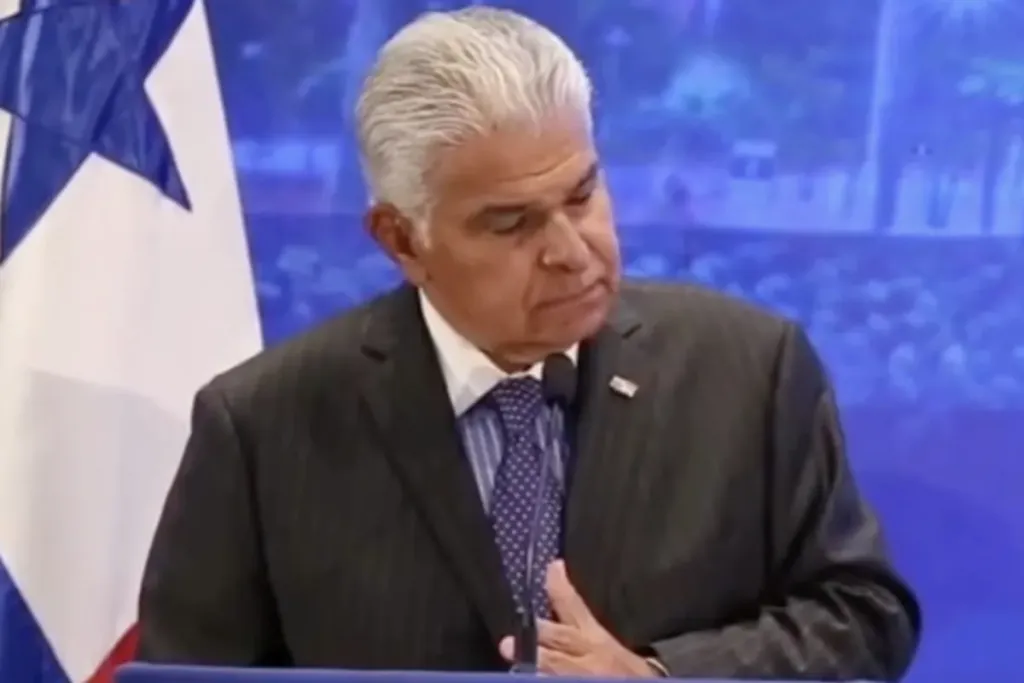
Broader Regional Context
Panama’s anti-corruption push occurs against a backdrop of similar efforts across Latin America. Countries throughout the region have strengthened their legal frameworks and investigative capabilities in response to public demand for accountability. The Panama Prosecutor’s Office has invested in specialized units, forensic accounting expertise, and international cooperation to track illicit financial flows.
The seven million dollar recovery, while significant, likely represents only a fraction of total corruption losses. Many experts believe unreported corruption in public procurement alone costs developing countries billions annually. However, each successful prosecution and asset recovery builds institutional capacity and deters future wrongdoing. The message to public officials is clear: stealing from the state carries real risks.
Cedeño’s office continues working on multiple active investigations simultaneously. The prosecutor stressed that operations rely on solid investigative groundwork rather than reactive measures. This proactive approach allows prosecutors to build cases methodically before making arrests, increasing the likelihood of convictions and asset seizures.
For Panama’s citizens, the recovered funds represent more than a statistical achievement. They translate into resources that can support public services, infrastructure projects, or social programs. Every dollar returned to state coffers is a dollar that cannot be spent on luxury vehicles, overseas properties, or hidden bank accounts. The anti-corruption effort thus serves both justice and fiscal responsibility.
The customs case and the broader recovery of seven million dollars demonstrate that Panama’s anti-corruption institutions are functioning. While challenges remain, the combination of specialized prosecutors, judicial oversight, and asset recovery mechanisms provides a framework for continued progress. As investigations deepen and more cases reach court, the public may see further recoveries that strengthen trust in government institutions.