


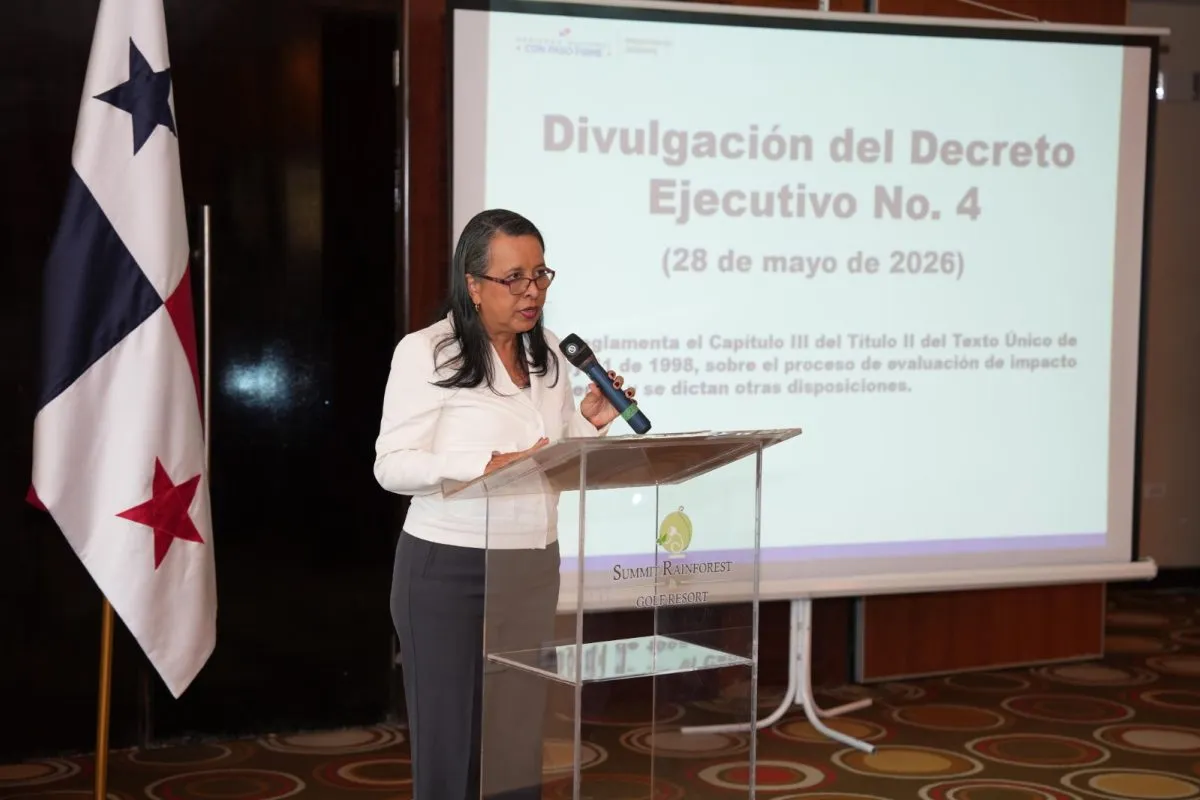
The days of paper-based environmental reviews in Panama are coming to a close. A new regulatory framework, signed in late May 2026, pushes the entire process into the digital realm. The goal is simple. Make project approvals faster, more transparent, and legally sound. But the changes go far beyond just scanning documents and uploading them. The New Executive Decree updates Chapter III of Title II of the Unified Text of Law 41 from 1998. That law governs how the country evaluates environmental impact. The update brings everything up to modern standards. It adds digital tools, strengthens public participation, and clarifies exactly who is responsible for what. Environment Minister Juan Carlos Navarro kicked off the first public workshop about the decree on June 30, 2026. The event drew consultants, auditors, project developers, and municipal environmental officers. Everyone wanted to see how the rules changed. Navarro made the government’s position crystal clear.
‘This regulation establishes clearer rules, more efficient comprehensive procedures, and greater legal certainty for all involved actors. It promotes sustainability, transparency, and shared responsibility between the public and private sectors, helping drive the country’s development in harmony with environmental protection’ [Translated from Spanish]
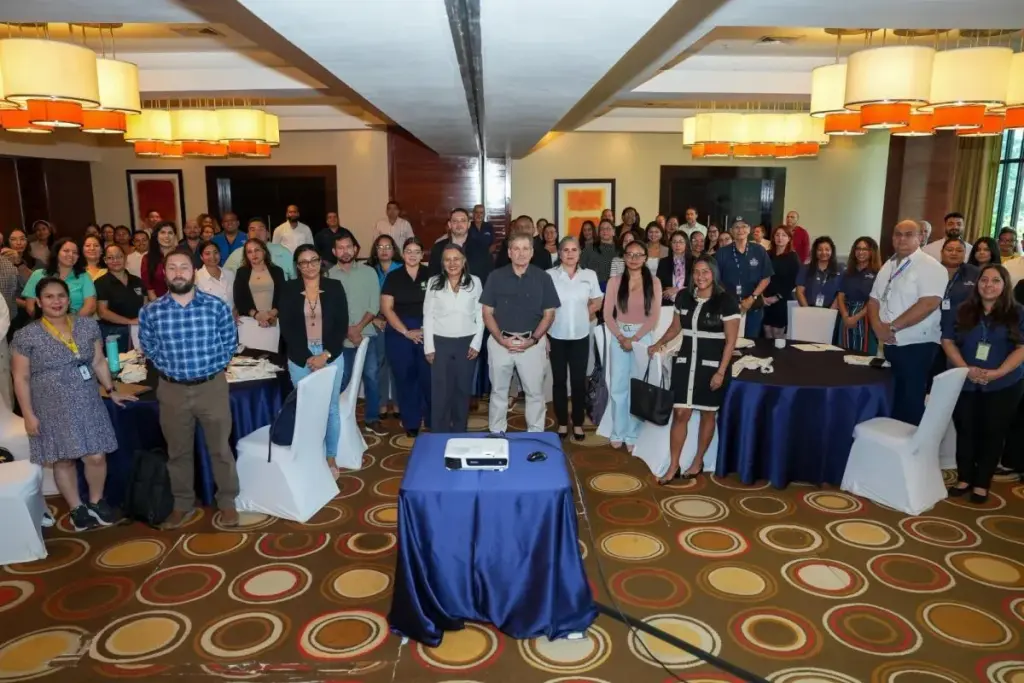
The Ministry of Environment Panama has been moving toward digital systems for a while. The e-SEVIA platform launched in 2025 under Navarro’s leadership. That system moved all environmental impact assessment filings online. The new decree now locks that digital approach into law. It guarantees the whole process stays electronic, fast, and open to public scrutiny. What does this mean for businesses? They get more legal certainty. The rules are clearer. The timeline is more predictable. For citizens, it means more access. The decree requires stronger public participation mechanisms. People can see what projects are proposed and have a real say in the process. The government is walking a tightrope. President Jose Raul Mulino wants economic growth and job creation. But he also insists on environmental protection. Navarro echoed that balance during the workshop.
‘President Mulino has been clear in his vision of promoting investment and job creation, always with strict respect for environmental regulations and sustainability. In Panama, economic growth and environmental protection must advance together and in balance to guarantee the well-being of present and future generations’ [Translated from Spanish]
The decree also tightens rules for environmental consultants. Anyone registered to conduct environmental impact assessment Panama now has clearly defined responsibilities. The administrative process for updating their credentials also got streamlined. No more vague expectations. No more gray areas. This regulatory update connects to broader national goals. Panama has positioned itself as a regional leader in sustainable development Panama. The canal generates massive economic activity. The country hosts international financial centers. But all that growth puts pressure on forests, water resources, and coastal ecosystems. The new decree tries to balance those competing demands. Technical staff from the Environmental Impact Assessment Directorate walked attendees through the specific changes during the workshop. They covered procedural updates, digital submission requirements, and how the new transparency rules work in practice. Participants asked questions.
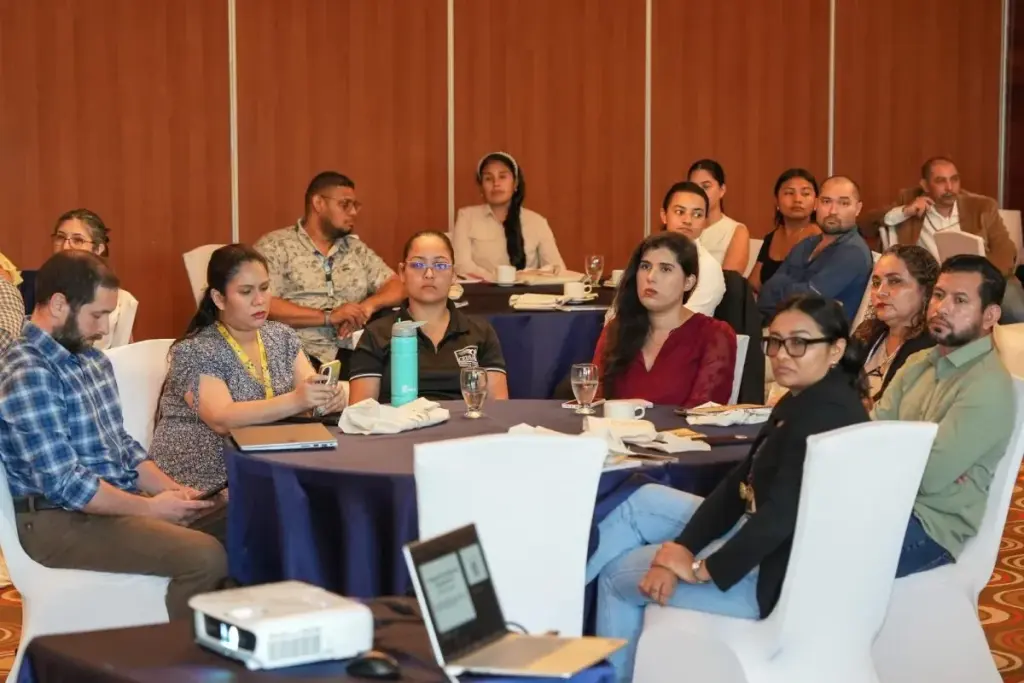
They shared their own experiences. The goal was to make sure everyone understands the new system before it fully takes effect. The decree represents a shift in philosophy. Old regulations treated environmental review as a hurdle to clear. The new framework treats it as a shared responsibility. Developers, consultants, regulators, and the public all have roles to play. The government wants projects that work economically and environmentally. Panama has learned from past mistakes. Rapid development sometimes came at a cost. Rivers got polluted. Forests got cleared. Communities got displaced. The new rules try to prevent those outcomes before they happen. Digital tracking makes it harder to cut corners. Public participation makes it harder to ignore local concerns. The workshop was just the beginning. The Ministry of Environment plans more outreach sessions across the country. Regional offices will train local staff. Consultants will update their practices. Project developers will adjust their timelines. The whole ecosystem around environmental review is changing. For now, the message is clear. Panama wants investment. But it wants smart investment. Investment that creates jobs without destroying what makes the country special. The new decree provides the legal framework to make that happen. Whether it works in practice remains to be seen. But the direction is set. Digital. Transparent. Accountable. That is the new standard for environmental review in Panama.