


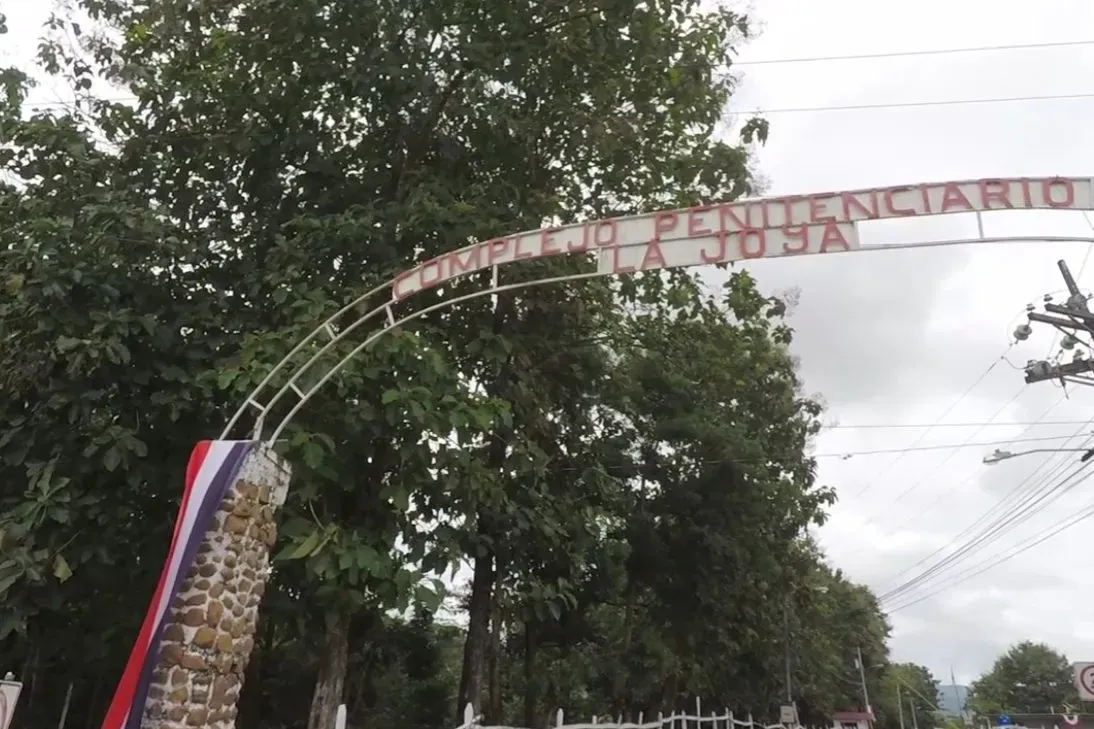
A dozen companies have stepped forward to bid on a major prison construction project in Panama. The new facility will be built in Las Garzas, directly across from the existing La Joyita, La Joya and La Nueva Joya penitentiary centers. The reference price for the project stands at $85 million.
During the homologation hearing, representatives from each company raised questions about the technical specifications. They examined the required capacity for the new prison, the years of experience demanded from bidders and the suitability of personnel requirements. The Panama prison system currently faces severe overcrowding and infrastructure challenges.
The companies that expressed interest include Centro Equipos, S.A., Dream Biometic, Improesa, CTL Ingeniería, Promotora y Desarrolladora Mexicana de Infraestructura, S.A., Global Delfos, S.A., Proinpetrol, S.A., Administración y Supervisión de Obras Civiles, S.A., Inversiones Fernández Hermanos, S.A., H Grupo Caribe, S.A., Ro Consulting and Constructora Cumo, S.A.
Government Acknowledges Prison System Deterioration
The Ministry of Government has scheduled the bidding process for July 14. The project calls for a specialized penitentiary complex focused on reparation and prison rehabilitation. This marks a shift in approach for Panama’s troubled correctional system.
In the supporting document for the project, the Ministry of Government admits the Panamanian prison system has experienced a “progressive deterioration” in its capacity to adequately serve inmates over recent decades. Panama currently concentrates most of its prison population in the complex made up of La Joyita, La Joya and La Nueva Joya.
The new facility represents a direct response to the systemic failures documented by prison oversight bodies. The government acknowledges that previous infrastructure investments failed to keep pace with growing inmate populations.
The winning company must build residential buildings for inmates, pavilions for custodial staff and complementary blocks. These will house education programs, technical workshops, health services, dining facilities, sports areas, cultural spaces, visitation rooms and general services.

Design Focuses on Rehabilitation and Reintegration
The complex will hold 2,500 pre-release inmates who are in the final stage of their sentences. These individuals will live under a differentiated trust and pre-liberty regime. The buildings will span multiple levels with rooms designed for a maximum of six people.
Each room includes individual bathrooms, study areas and living spaces. Vertical circulation systems will connect the various floors. For custodians, the project includes dormitories, rest areas, sanitary facilities, a gym, sports courts, locker rooms and support spaces.
The health and therapeutic care area will contain medical and psychological consultation offices. Group therapy spaces are also part of the design. For recreation, inmates will have two covered multi-purpose courts, a small synthetic field and a physical conditioning area.
Officials designed these spaces to “promote sports, discipline and social integration of the inmate population.” [Translated from Spanish] This approach aligns with modern prison rehabilitation models used in other countries.
The bidding process follows standard public procurement in Panama procedures. The Ministry of Government will evaluate technical proposals alongside pricing. Construction timelines remain undisclosed pending the award decision.
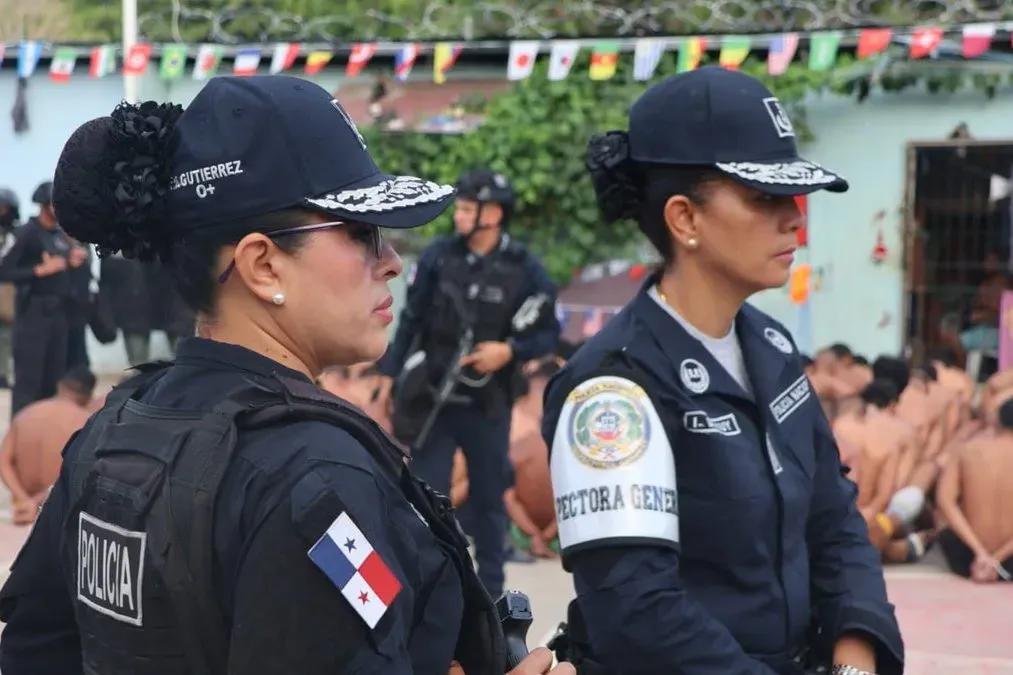
Local observers note the project sits directly across from La Joyita, which has experienced security incidents in recent years. The new facility aims to reduce pressure on the aging infrastructure of the existing complex.
Human rights organizations have long called for improved conditions in Panama’s prisons. The new design incorporates elements that address previous criticisms about overcrowding and lack of rehabilitation programs. The government expects the facility to serve as a model for future corrections infrastructure.
Industry analysts say the $85 million price tag reflects the specialized nature of the construction. The project requires expertise in secure facility design while maintaining a therapeutic environment. Bidders must demonstrate experience with similar institutional projects.
The July 14 deadline gives companies several weeks to finalize their proposals. The Ministry of Government will announce the winning bid after completing its evaluation process. Construction could begin later this year if the timeline holds.