


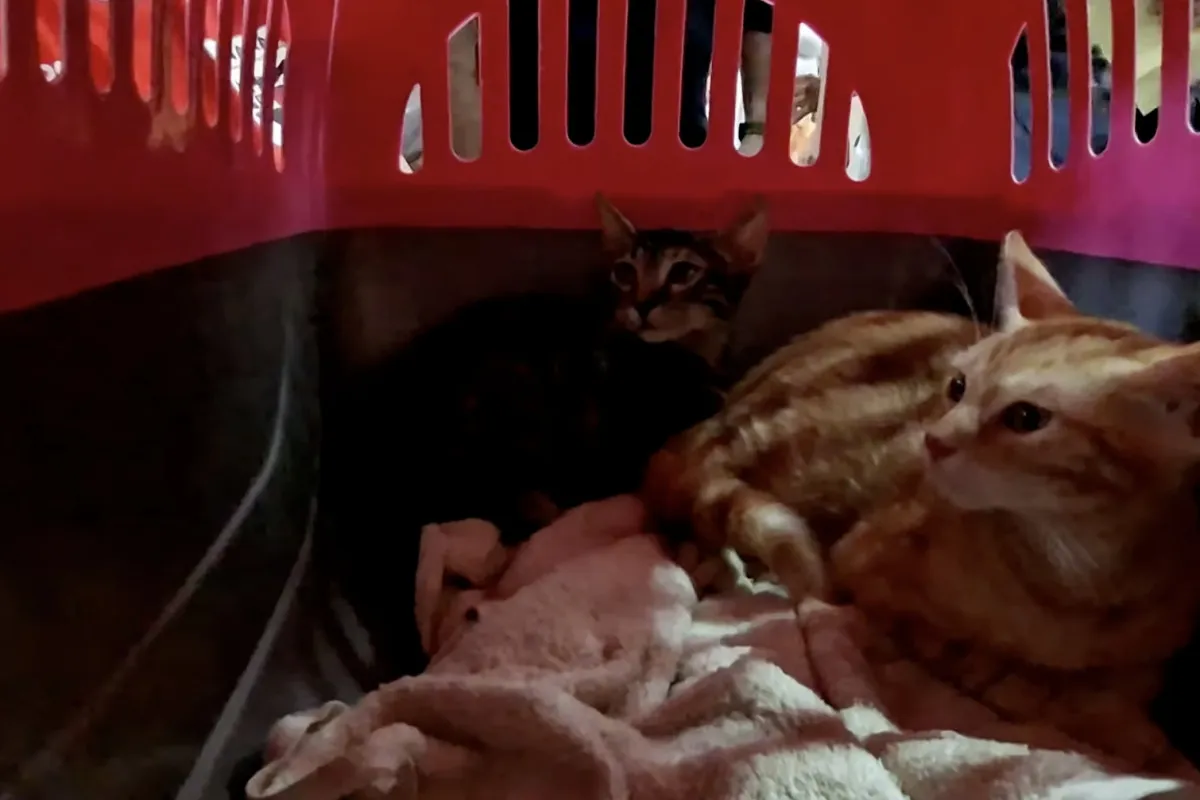
Across Panama, thousands of cats navigate alleys, dumpsters, and parked cars without much notice. They aren’t noisy or confrontational. They simply try to survive. This quiet crisis is what Spay Panama confronts daily, and on International Cat Day the organization stepped up with a targeted sterilization drive that reached more than 400 felines in a single effort. The initiative prioritized rescuers and low-income families, offering each procedure for a copay of just 10 dollars.
The Hidden Struggle of Panama’s Street Cats
Unlike dogs, whose presence often draws immediate attention and complaint, community cats blend into the urban landscape. They slip beneath vehicles, forage behind markets, and rear litters in the shadows. A single unspayed female can produce up to three litters a year, so populations can explode before anyone notices. Patricia Chan, director of the Spay Panama Foundation, described the dynamic bluntly.
“They don’t want to bother humans. The only problem is they have to survive” [Translated from Spanish]
Chan noted that because cats move silently through trash sites and under cars, their suffering and unchecked reproduction frequently go ignored. For the foundation, tackling this neglect means creating events that remove every possible barrier, from cost to transportation. The 10-dollar copay model, paired with outreach to caregivers who feed colonies, brings sterilization within reach for communities that otherwise couldn’t afford it.
Spay Panama’s International Cat Day Initiative
The August event dedicated entirely to cats drew rescuers from across the province. Families who manage small colonies on their blocks showed up with carriers, and volunteers processed more than 400 animals in a matter of hours. Spay Panama structured the day around speed and accessibility, knowing that every procedure performed prevents exponential births down the line.
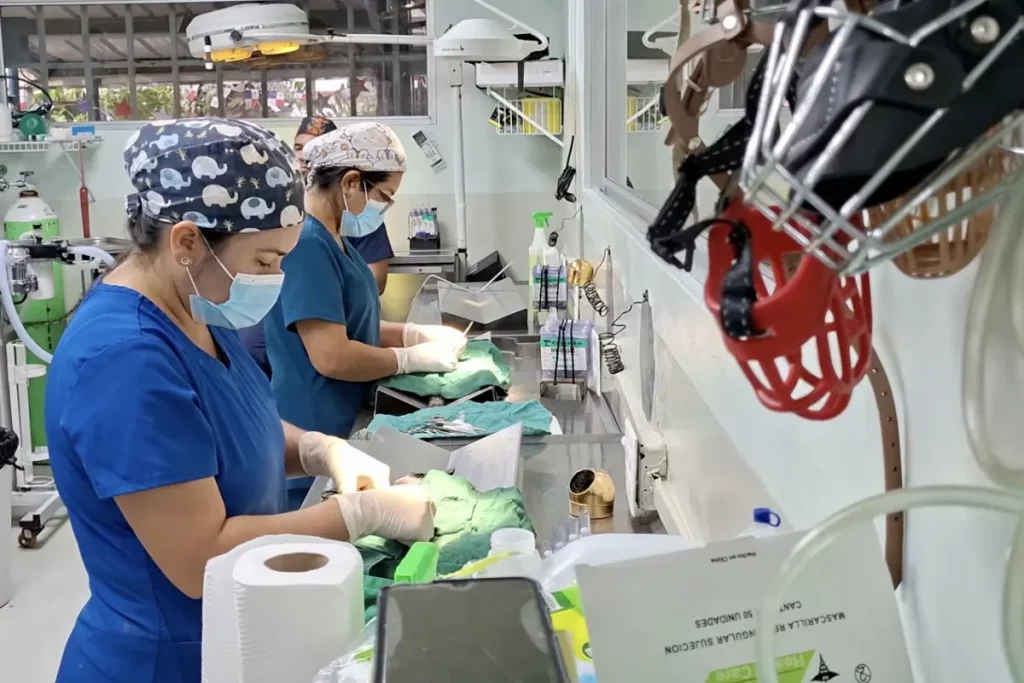
While the foundation regularly sterilizes both dogs and cats, focusing exclusively on felines for this occasion allowed them to target a demographic that Chan says is often sidelined. The cats move through neighborhoods causing no harm, but their sheer numbers strain resources and spread disease among themselves. Sterilization, she argued, is the most humane and effective answer to a problem that quietly multiplies behind the scenes.
A Quarter Century of Surgical Impact
Spay Panama will mark 24 years of operation on October 1. During that span, the organization has sterilized more than 430,000 animals, and cats account for over half of that total. These numbers place the foundation among the most prolific high-volume spay and neuter programs in the region. The long-term effect on Panama’s street animal population is significant, reducing not just the number of homeless pets but also the strain on shelters and public health systems.
Built on a model that combines donor support with low-cost client contributions, the foundation has sustained a pace that many international animal welfare groups struggle to match. The persistent focus on cats reflects an understanding that feline overpopulation is uniquely invisible, making proactive outreach essential. Without it, colonies grow unchecked until they face starvation or disease.
Upcoming Mega Campaigns and Community Collaboration
August will see three additional large-scale efforts from Spay Panama. One is scheduled in Tocumen, organized in coordination with the Panama Mayor’s Office. The other two will take place in Panama Oeste alongside Misión Patitas, a program run by the Office of the First Lady. Together, these mega sterilization days aim to surpass 2,000 procedures, pulling together municipal resources, volunteer veterinarians, and community networks.
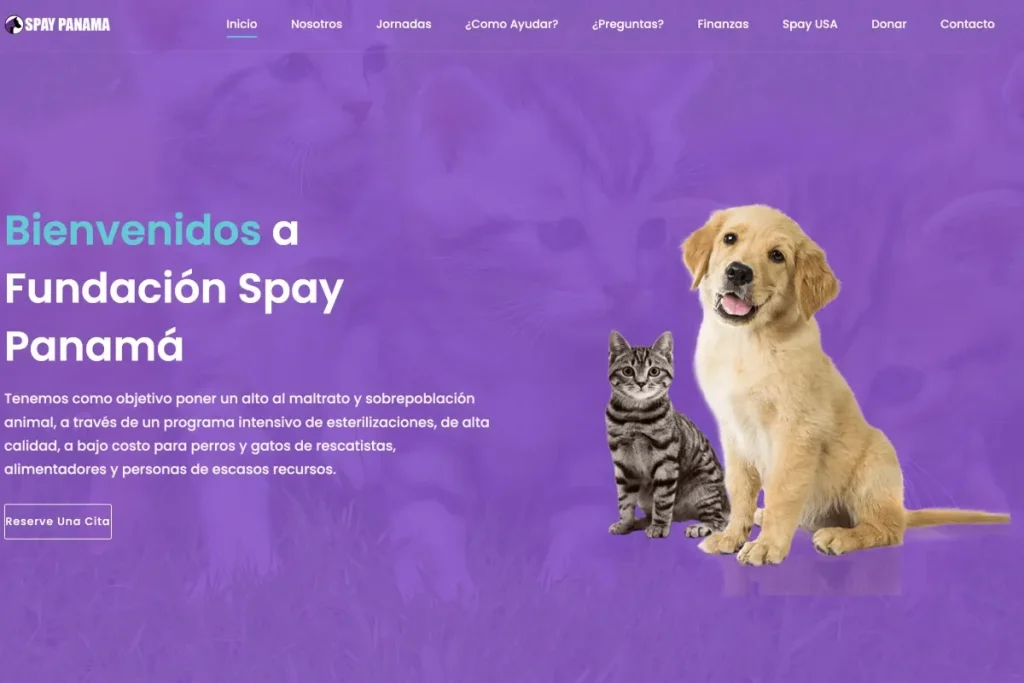
Coordinating with government entities allows the foundation to reach more remote neighborhoods and tap into public infrastructure. The partnership with Misión Patitas, in particular, signals a growing institutional recognition that street animal welfare is a shared responsibility, not just a charitable afterthought. These collaborations multiply the foundation’s reach and embed sterilization services into broader public health and community development strategies.
The effort continues a decades-long trajectory that has reshaped how animal welfare is addressed in Panama. By combining targeted events, affordable pricing, and strategic alliances, Spay Panama keeps the work grounded in the neighborhoods where it matters most. As Chan’s observation makes plain, the cats aren’t going to demand help. Someone has to notice them first, and then act.