


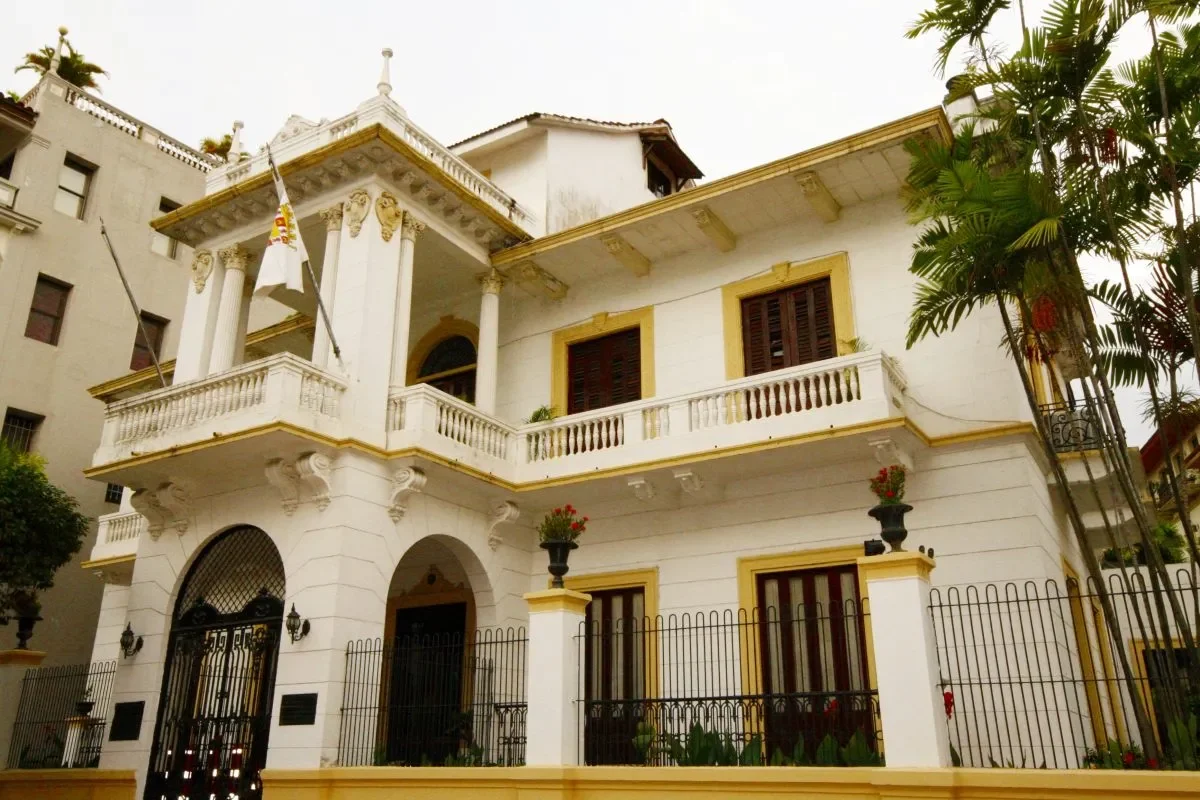
The municipal palace at the heart of Panama City’s historic district is about to undergo a striking transformation. City officials have launched a $459,693 public tender for the Casco Viejo City Hall renovation, a project that will, among other upgrades, convert the current mayor’s workspace into a private bedroom for special visitors. The move underscores how the building’s dual role as a working government seat and a heritage showpiece continues to evolve.
Casco Viejo City Hall Renovation Scope and Tender Details
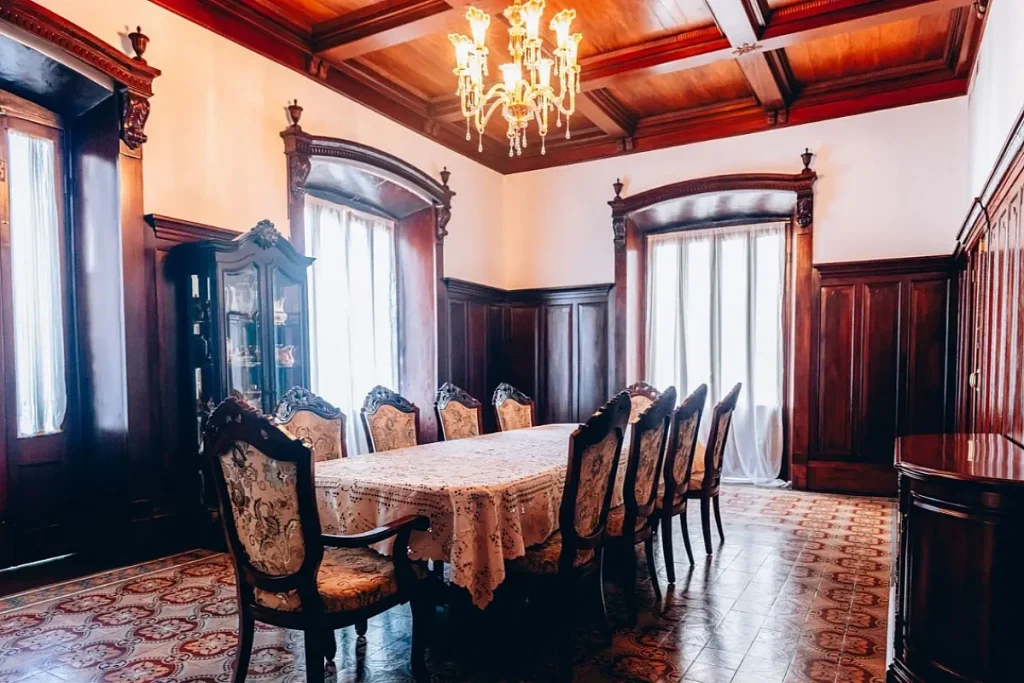
Panama’s municipal authority released the bidding documents with proposals due by August 13. The stated goal is to upgrade the property’s functional, operational, architectural and service conditions. The three-level structure plus attic, known formally as the Casa de la Municipalidad, will see interventions across its most emblematic spaces, from the Protocol Hall and formal dining room to the open-air Señorial Patio.
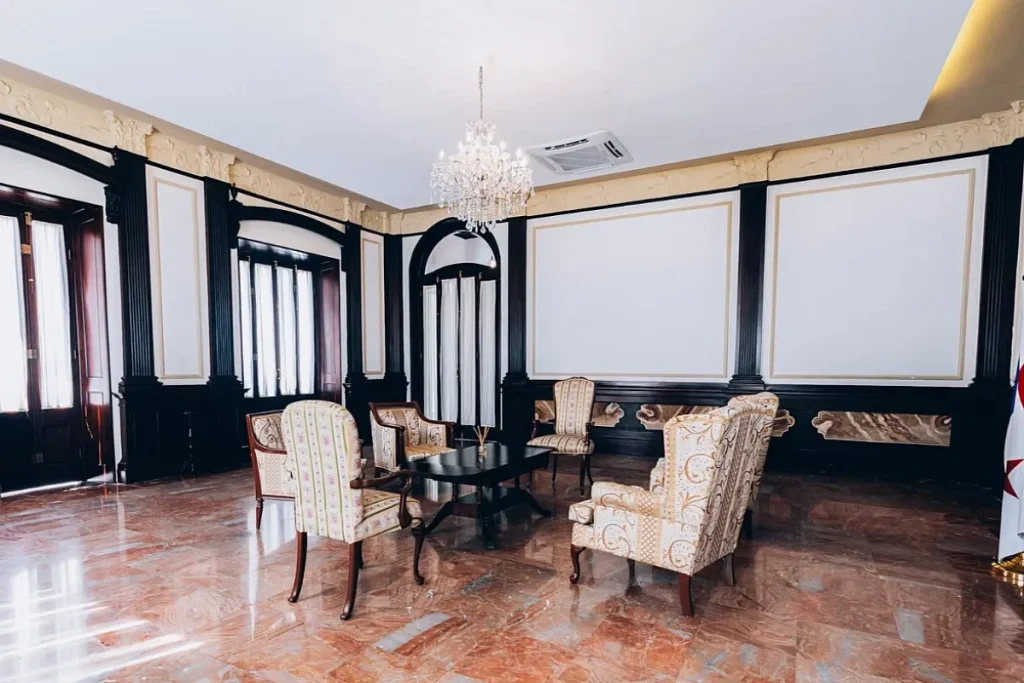
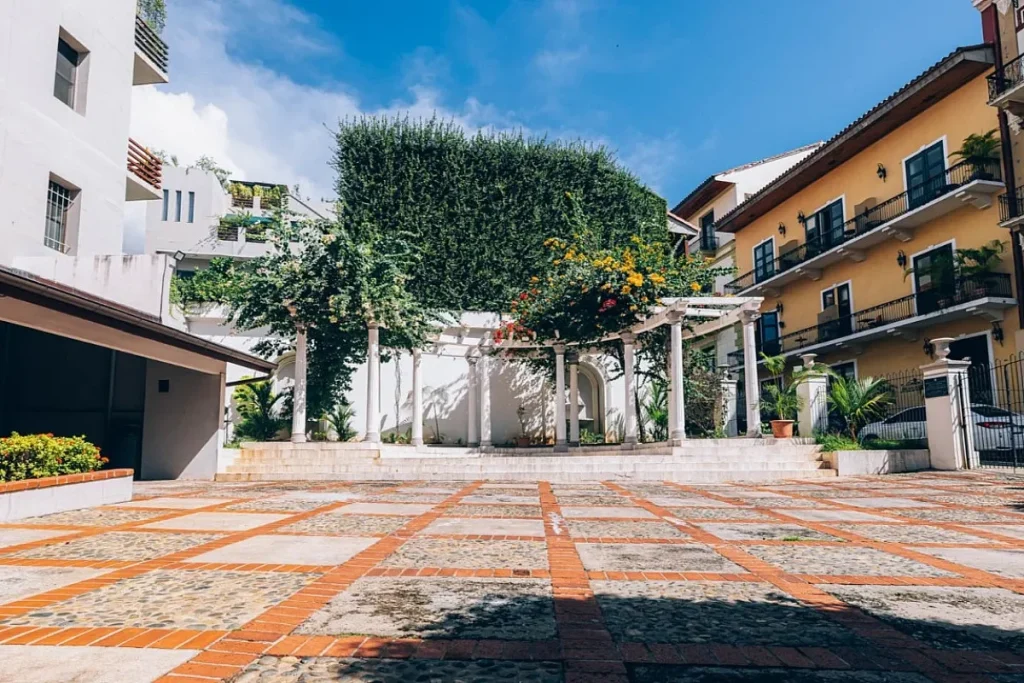
Work inside the Protocol Hall involves pulling out old air conditioning units and installing a completely new climate control system. The tender documents specify that only non-heritage architectural elements will be removed and replaced, a safeguard to protect the building’s historic fabric. In the Señorial Patio, a space already rented out for private events, crews will preserve its signature stone and brick flooring, central fountain and manicured gardens, ensuring the courtyard remains a sought-after venue.
From Shared Office to a Private Suite for Distinguished Guests
The most unexpected change centers on the mayor’s working quarters. Currently the Despacho del Alcalde functions as a shared office with multiple workstations. Under the approved plan, the room will be stripped back and reimagined as a single-occupant mayoral office. A new wooden coffered ceiling will replace the existing overhead finish, and a fresh climate system will keep the space comfortable.
Custom built-in wall furniture will provide storage, a display area, a coffee station and a television shelf. The municipality’s specifications also call for new armchairs, decorative furnishings and both wall-mounted and floor lamps. Meanwhile, the space that presently serves as the mayor’s office will be completely repurposed into a guest bedroom designated for visiting dignitaries. This shift signals a deliberate effort to blend official functionality with discreet hospitality inside a landmark that already hosts public and private events.
Preservation Roots and a $1.5 Million Previous Restoration
The building’s bones date back to 1881, when it was constructed as the Arias-Feraud family residence. It stayed in private hands until 1993, when the government under President Guillermo Endara acquired the property and handed it to the Municipality of Panama for long-term preservation. The last comprehensive restoration took place during the administration of Mayor José Blandón between 2014 and 2019.
That earlier overhaul carried a $1.5 million price tag and tackled significant decay.
“We received it with rotten wood and abandoned, dilapidated areas. Before and after the restoration, it was open to the public and rented out for private events” [Translated from Spanish]
, Blandón recalled. Even then, the municipality actively used the site for receptions and ceremonies, a practice that continues today with the Patio Señorial and interior salons generating revenue through rentals.
Heritage Status and the Delicate Art of Updating a Landmark
Situated in the colonial quarter often called Casco Viejo or Casco Antiguo, the building sits within a UNESCO World Heritage site recognized since 1997. That designation layers additional scrutiny on any alteration, pushing contractors to balance modern demands with strict conservation rules. The current renovation explicitly targets elements deemed lacking heritage value, a careful path that allows for air conditioning upgrades, new ceiling work and furniture without touching protected structural features.
City documents describe the project as a way to improve the building’s “functional, operational, architectural and services” performance. By turning a high-traffic mayoral desk into a refined guest room and refreshing the Protocol Hall, the municipality hopes to keep the historic house relevant both as a seat of local government and as a symbol of Panamanian history. The tender’s relatively modest budget, roughly a third of the previous restoration’s cost, suggests a focused effort that sticks to targeted improvements rather than a full-scale overhaul.
Neighbors and preservation advocates will be watching closely. Casco Viejo has seen a wave of private investment and public renewal in recent decades, and the careful handling of the Arias-Feraud house remains a litmus test for how the city treats its dwindling inventory of publicly owned patrimonial buildings. For now, the promise of a discreet guest bedroom tucked behind the ornate facades adds a fresh chapter to a story that started almost 150 years ago.