


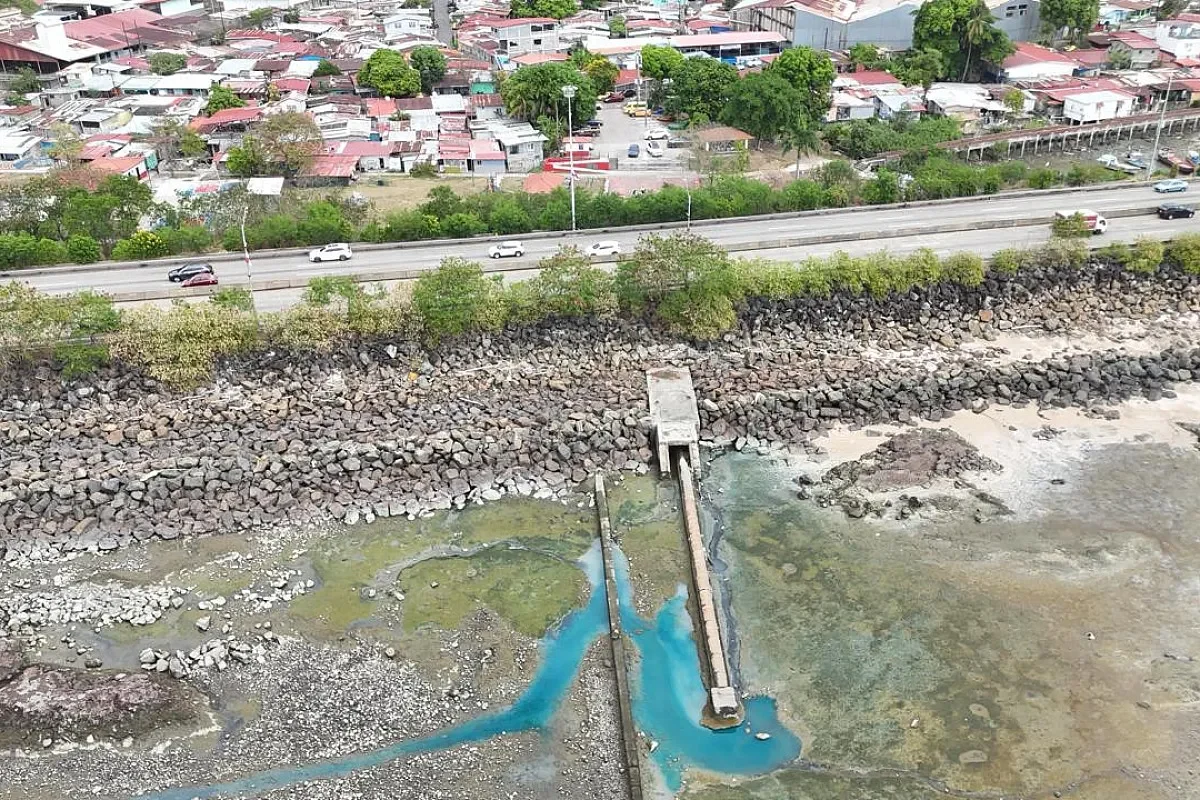
When residents of Boca la Caja began posting videos of foul-smelling, discolored water gushing toward Panama Bay, they probably didn’t imagine their social media complaints would trigger one of the country’s most aggressive environmental crackdowns. Those citizen reports, shared widely in mid-2025, caught the attention of Panama’s Ministry of Environment and ultimately led to a record pollution fine of more than 1.1 million balboas against a corporation that has operated along the bay for decades.
How Dye Tests Uncovered the Untreated Discharge
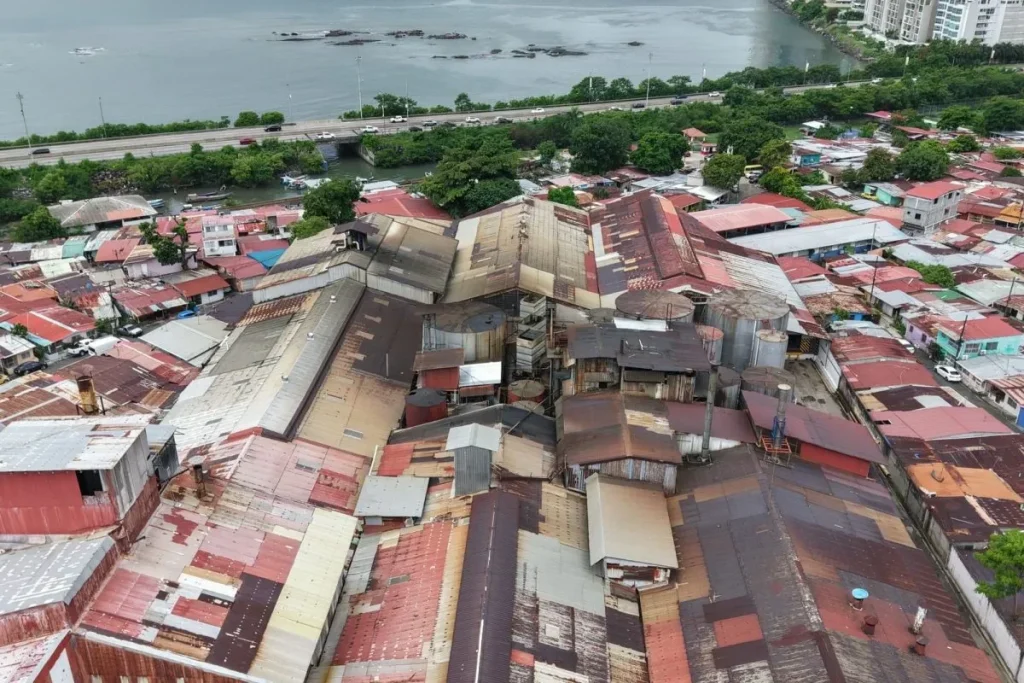
The investigation took off in July 2025 when technicians from the Directorate of Environmental Performance Verification, known as DIVEDA, conducted an unannounced inspection driven by the wave of online complaints. They weren’t looking for a minor infraction. What they found over several days of field sampling and testing pointed to a systemic failure at Industrias Panamá Boston, S.A., a company whose treatment plant had been discharging raw, untreated wastewater straight into the community’s stormwater system.
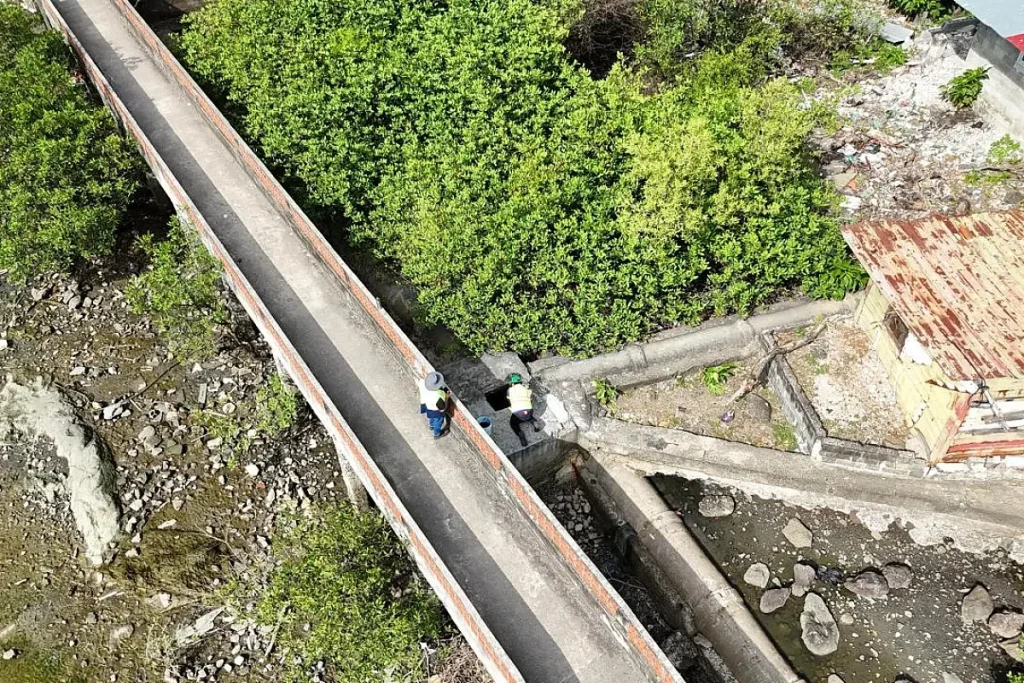
Inspectors spotted heavy sludge accumulation inside a stormwater structure and deployed a definitive tool, a dye tracing test. The colored tracer moved directly from the company’s wastewater treatment facility into the drainage network, confirming a hidden connection that fed an underwater outfall pipe emptying into the bay. Facing evidence of serious contamination, the ministry acted immediately. It ordered a temporary shutdown of the plant’s operations, only allowing activity to resume after on-site verification proved the company had fully executed all required mitigation and cleanup plans.
A Pollution Fine Coupled With Strict Remediation Orders
On August 4, 2026, the ministry imposed a sanction of 1,115,444.09 balboas on the company, one of the largest sums ever recorded in a national contamination case. The pollution fine was not the end of the story. Officials also issued a sweeping set of corrective mandates designed to prevent another discharge from reaching the bay. The company must implement a comprehensive plan to clean and maintain the compromised stormwater collector box, carry out continuous water quality monitoring, conduct regular infrastructure inspections, and provide specialized training for its personnel on wastewater handling and emergency protocols.
Also, Industrias Panamá Boston must bring its discharge permit into full compliance with the technical standard DGNTI COPANIT 35 of 2019, a framework that governs how industrial effluents are managed. The ministry’s regional office in Panama Metro will team up with DIVEDA to ensure every one of those measures sticks, with permanent follow-up reviews.
“The polluter pays. MiAMBIENTE will be inflexible in demanding that every pollution source be eliminated immediately and that the corresponding fines be imposed, without distinction. We call on citizens and companies to please rigorously comply with the law and avoid fines,” [Translated from Spanish]
That statement came from Environment Minister Juan Carlos Navarro, who framed the pollution fine as a direct consequence of the ministry’s commitment to protecting the country’s water bodies.
Long-Term Monitoring and an Ongoing Crackdown
The Boca la Caja case didn’t come out of nowhere. For years the bay had absorbed untreated flows from surrounding industrial and urban zones, with complaints piling up but few penalties large enough to shift corporate behavior. The ministry now says the 1.1-million-balboa pollution fine signals a new era of rigorous enforcement. By coupling the financial penalty with a tailored fix-it plan, officials hope the move will compel other facilities to audit their own discharge practices before inspectors show up with dye and sampling kits.
DIVEDA’s field evidence collection took months to build, incorporating technical reports that left little room for appeal. That deliberate approach is meant to serve as a template for future cases along Panama’s coastline. The agency warned it will keep exercising its oversight authority with the same technical rigor and firmness, regardless of how long a company has operated in the area or how large its footprint may be.
Ultimately, the pollution fine against Industrias Panamá Boston isn’t just a penalty on paper. It’s a signal that untreated wastewater can’t be hidden behind decades of routine operations. For communities like Boca la Caja, the real test will be whether the bay’s water quality improves in the months and years ahead, and whether the ministry’s promise of permanent monitoring leads to lasting change in how industrial waste is handled across Panama.