


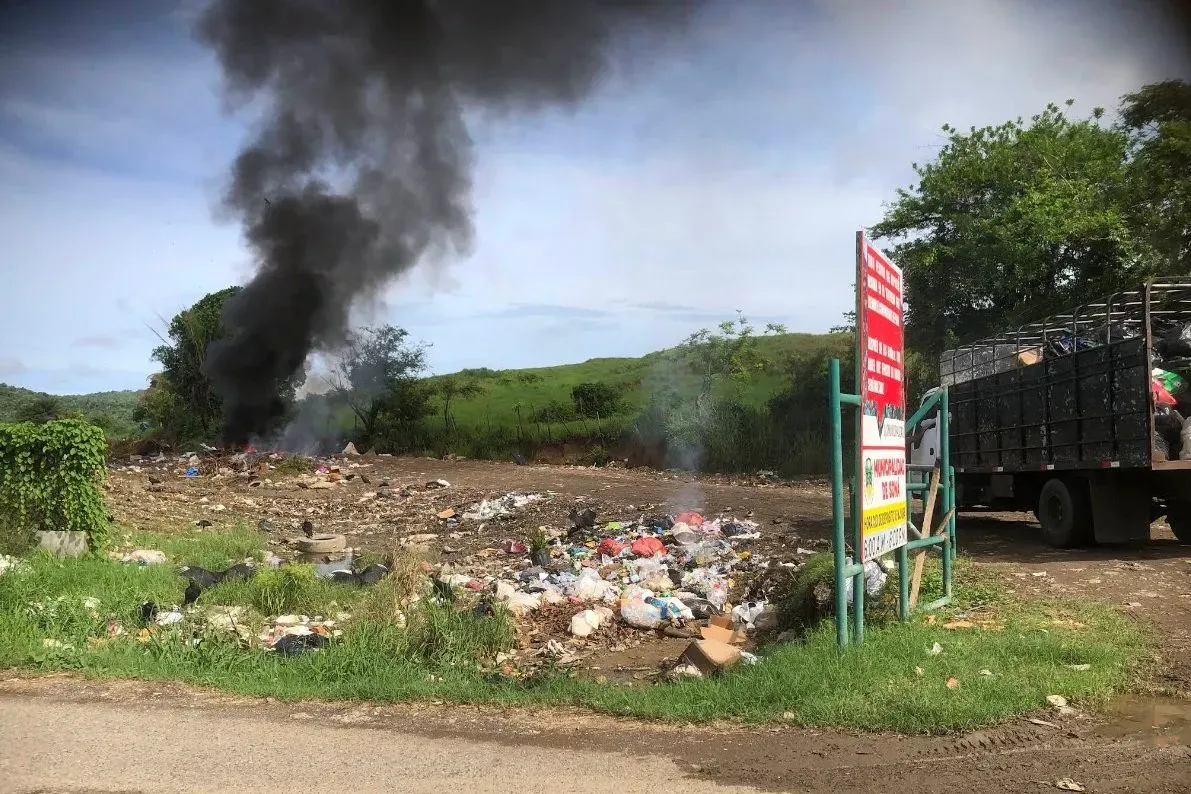
The Montijo District in Panama’s Veraguas province has officially declared a health and environmental emergency. The decision comes after local residents blocked access to the municipal landfill, leaving trash to pile up across communities. The Municipal Council approved the measure through Agreement No. 6-2026, which was published in the Official Gazette No. 30563-A.
The crisis began when residents from Buena Vista Norte and El Florentino unilaterally shut down the landfill. This action stopped all final waste disposal for the district. Without a working dump, garbage has accumulated in multiple communities. Officials warn this creates serious public health risks and environmental damage.
Rising Disease Threats Spark Urgent Action
The waste buildup creates perfect breeding grounds for disease-carrying pests. Rats, insects, and other vectors thrive in the trash. This directly threatens the population’s health. The council’s declaration specifically mentions recent Hantavirus cases detected in the district. One resident has already died from the virus. Hantavirus spreads through rodent droppings and urine, making uncontrolled garbage dumps especially dangerous.
Local authorities fear the situation could spiral into a larger health crisis without immediate intervention. The council’s document states the accumulation of solid waste directly contributes to vector proliferation. This includes rodents and other disease transmitters. The connection between the landfill closure and the hantavirus death has pushed officials to act quickly.

Mayor Given Emergency Powers to Restore Waste Services
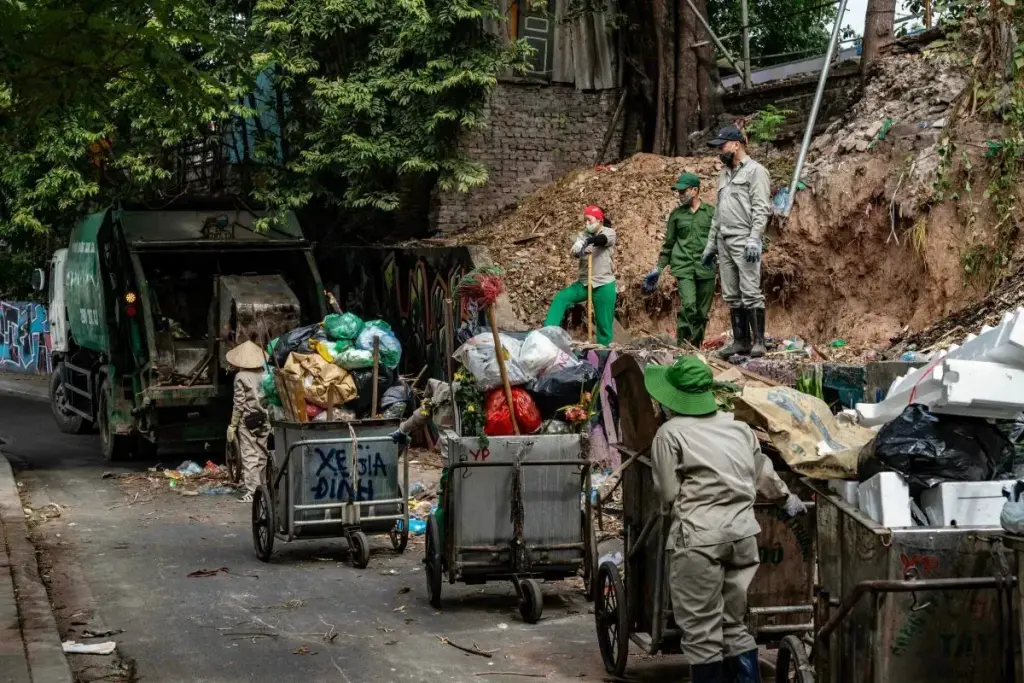
The Municipal Council has granted the mayor of Montijo special authority to handle the crisis. He can now carry out all necessary administrative procedures to ensure garbage collection resumes. This includes coordinating transport and finding alternative disposal sites. The mayor can also sign temporary agreements with public or private entities.
One potential partner named in the agreement is Soluciones Ambientales Comunitarias, S.A., known as SACOSA. This company could provide immediate waste management services while the district develops a permanent solution. The goal is to maintain continuous service until a long-term disposal plan is in place.
State Agencies Called In to Support Emergency Response
The agreement demands immediate intervention from multiple government bodies. The Veraguas Governor’s Office must coordinate regional support. The Panama Ministry of Health (MINSA) needs to address the public health risks. The Ministry of Environment (MiAmbiente) must handle the environmental damage. These agencies must work together to manage the emergency effectively.
The emergency declaration took effect immediately after approval, signing, and publication in the Official Gazette. This fast-tracked process shows how seriously officials view the situation. They want to prevent any further deterioration of health and environmental conditions in the district.
Waste management has long been a challenge for rural districts in Panama. Many communities lack proper disposal infrastructure. When local landfills face opposition or operational issues, there are few alternatives. This often leads to illegal dumping or prolonged waste accumulation.
The Montijo case highlights the tension between community concerns and municipal service obligations. Residents who blocked the landfill likely had their own grievances. But the resulting trash buildup creates dangers that affect everyone in the district. Finding a solution that addresses both community concerns and public health needs will be crucial.
Health officials across Panama have been monitoring hantavirus cases closely. The virus causes severe respiratory illness and can be fatal. Rodent control is a key prevention strategy. When garbage piles up, it attracts rats and increases transmission risks. The death in Montijo serves as a stark warning about the consequences of disrupted waste services.
The coming weeks will test whether the emergency declaration and new mayoral powers can restore order. Temporary contracts with private companies may provide immediate relief. But the district still needs a permanent waste disposal solution. Without one, similar crises could recur in the future.