


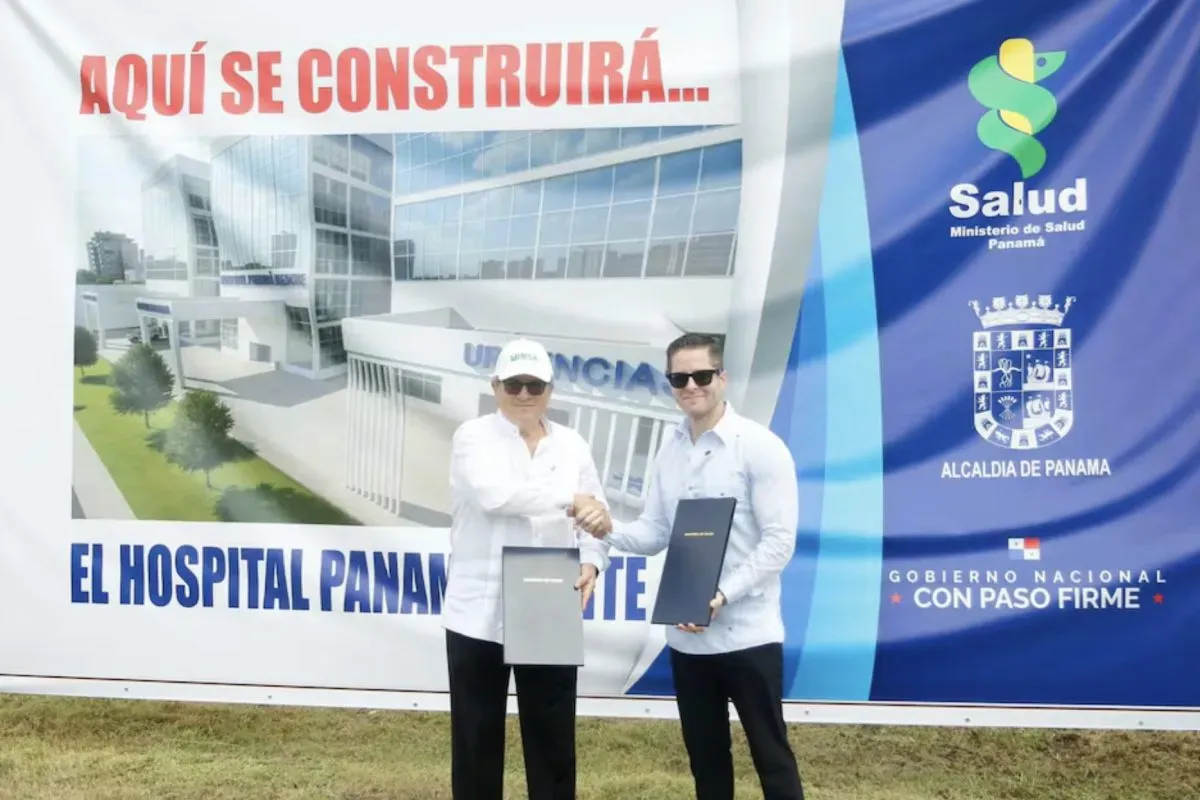
For years, residents in Panama’s northern districts have watched their neighborhoods swell with new families while healthcare options stayed frustratingly limited. Now, a long-awaited hospital project has taken a decisive step forward, though with an unexpected twist. Only one company remains in the running to build the Panama Norte Hospital, a facility designed to serve one of the capital’s fastest-growing populations.
The Evaluation Commission for the Ministry of Health Panama determined that Administración y Supervisión de Obras Civiles, S.A. was the sole bidder to meet all administrative, financial, and technical requirements. This revelation came from the commission’s official report on the public tender process, which covered everything from studies and design to construction, medical equipment, and long-term maintenance.
The project carries a reference price of $72.4 million. But every bidder came in above that figure. The winning proposal from Administración y Supervisión de Obras Civiles landed at $79.6 million. Two other companies, Constructora Rigaservices and CTL Ingeniería, submitted offers of $79.6 million and $79.7 million respectively. Despite these nearly identical price tags, the evaluation revealed a wide gulf in quality and compliance.
Why Two Companies Were Disqualified
CTL Ingeniería ran into trouble early in the review process. The commission found that the company submitted a bid bond intended for a different procurement entirely. That alone disqualified them under the Panama public procurement law. Additional problems surfaced with notarized sworn statements, price breakdown inconsistencies, missing financial documents, and average annual revenue falling below the minimum threshold.
Constructora Rigaservices faced a different set of hurdles. While their bid bond passed muster, their financial liquidity ratio for fiscal year 2024 came in at 1.589, below the required minimum of 1.75. The commission also noted that the proposed architect failed to demonstrate the 25 years of experience demanded by the tender documents. Beyond that, the company left out the execution timeline, work methodology, and explanatory videos that formed part of the mandatory technical submission.
These omissions proved costly. In public procurement, missing documentation often signals deeper organizational issues. The commission followed the rules to the letter, leaving no room for exceptions.

Scoring Breakdown Reveals Near-Perfect Bid
Administración y Supervisión de Obras Civiles scored 99 out of 100 possible points. The single point deducted came from the average annual revenue criterion. In all other categories, the company achieved maximum marks: 17 out of 18 in financial evaluation, 29 out of 29 in administrative criteria, 13 out of 13 in technical evaluation, and a perfect 40 points for their economic proposal.
The company demonstrated the required technical personnel experience, submitted all necessary documentation, and met design parameters, schedules, and certifications. Their bid came in as the lowest among the three, though only by a narrow margin.
This hospital project has a complicated history. Back in June 2016, authorities awarded the construction contract for $178.4 million. But various obstacles prevented the Social Security Fund board from approving its development. Years of delays followed, leaving the community waiting.
What This Hospital Means for the Community
The future Panama Norte Hospital will rise in the Ernesto Córdoba Campos township, within Panama District. Currently, residents in this area must travel to the San Miguel Arcángel Integral Hospital in San Miguelito district or the Manuel Amador Guerrero Hospital in Colón for care. Neither facility was designed to handle the population growth that has transformed northern Panama over the past decade.
The new facility promises expanded medical coverage, specialized equipment, and support services tailored to meet surging patient demand. For a region that has seen housing developments multiply while public infrastructure struggled to keep pace, this project represents more than concrete and steel. It signals a shift in priorities.
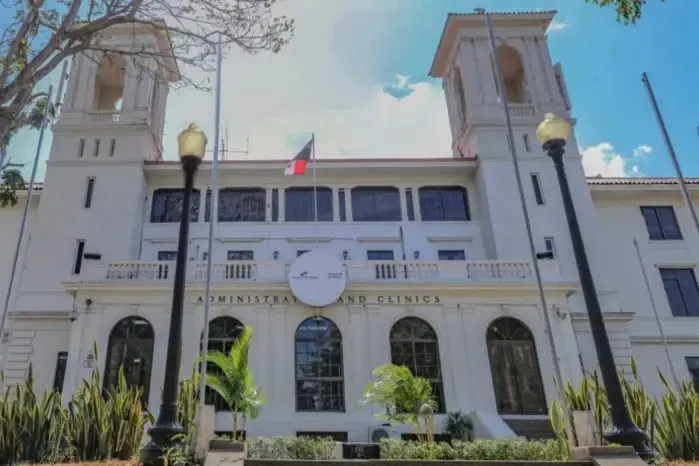
With the evaluation report now public, the Ministry of Health stands at the threshold of awarding the contract. The winning company must still await the final decision from the contracting entity. But the path forward looks clear. One company passed the comprehensive review. Two did not.
The cost overrun of roughly $7.1 million above the reference price raises questions about budget planning. Large infrastructure projects in Panama have historically faced cost escalations and delays. Officials will need to monitor this project closely to ensure it delivers on its promises without further setbacks.
For now, the community watches and waits. The evaluation commission has done its work. The rules were applied consistently. And one company has emerged as the clear frontrunner to build a hospital that could transform healthcare access for thousands of Panamanian families.