


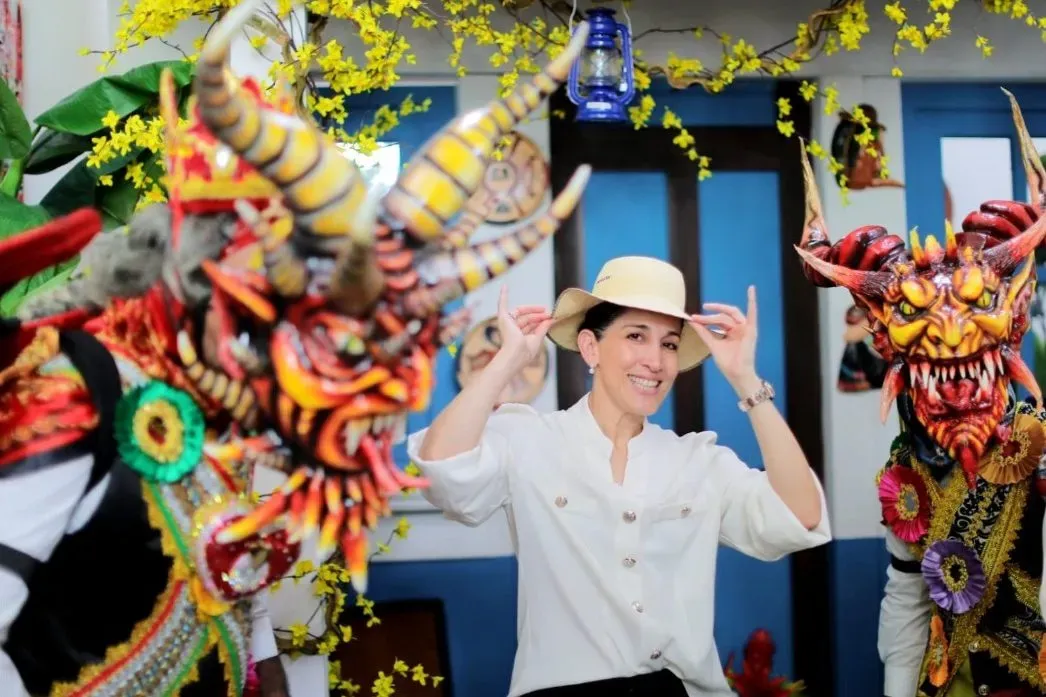
Gloria Lina Hernández still remembers the feel of Panamanian clay in her hands as a child, learning from elders who refused to let ancient techniques die. Now, as the Master Artisan of 2025, she will help welcome the largest gathering of craftspeople in Panama’s history. The 46th edition of the National Handicraft Fair of Panama will take over the Atlapa Convention Center from July 29 to August 2, bringing together 677 artisans from every province and indigenous territory in the country. That number shatters previous attendance records and fills every available space in the venue for the first time ever.
Ancient Knowledge Meets Modern Technology
Culture Minister María Eugenia Herrera announced the event during a press conference at the City of Arts, calling it one of Panama’s most significant cultural gatherings. “The National Handicraft Fair elevates our cultural identity and energizes the economy of those who keep our traditions alive,” Herrera said.
“Handicrafts represent the memory, identity, and livelihood of hundreds of Panamanian families” [Translated from Spanish]
The fair carries the theme “Ancestral Knowledge” this year, a nod to the generations of techniques that attendees will witness firsthand.
National Handicraft Director Algis Díaz brought personal weight to the announcement. He shared that his mother worked as an artisan, an experience that shaped his dedication to the sector. Díaz revealed several firsts for the 2025 edition. The fair will launch its first official website, allowing visitors to browse artisan offerings before, during, and after the event. A virtual map will let people tour pavilions online and locate individual craftspeople directly. The goal, Díaz explained, is to strengthen both promotion and sales for participating artisans.
Live Demonstrations and Digital Transformation
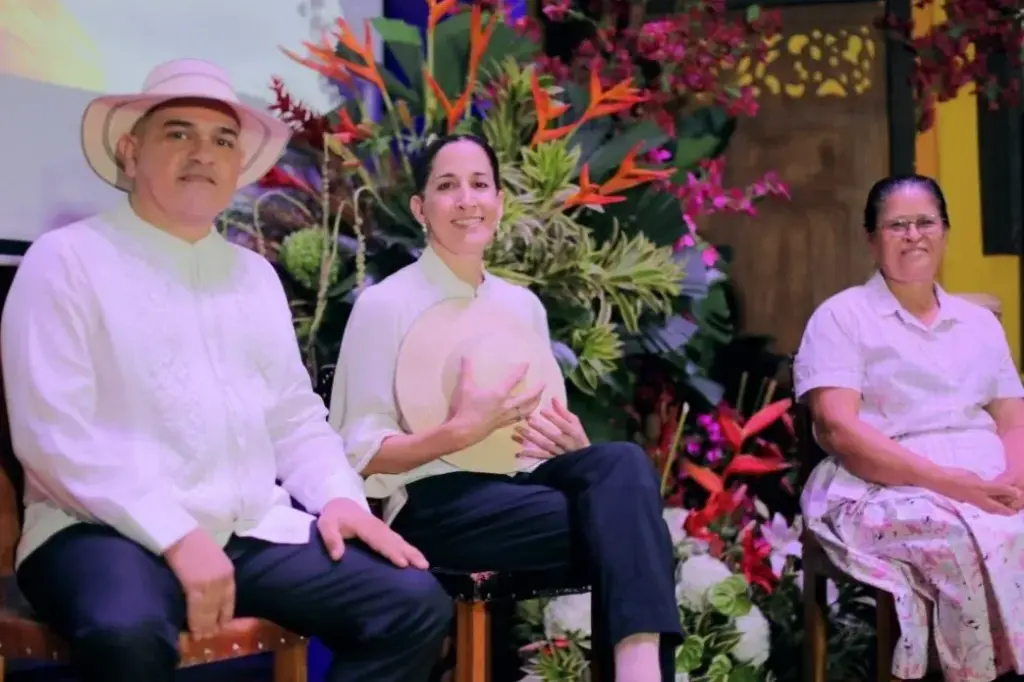
New spaces will feature the City of Arts and the Art and Culture Center of Colón. An “Artisan Experiences” area will let master craftspeople demonstrate techniques passed down through families in real time. Visitors can watch Panamanian handicrafts being created rather than just buying finished products. The fair also modernized its registration and competition processes through a digital system, making everything more transparent and efficient.
National Folklore Director José Alberto Sosa outlined the cultural program. More than 40 artistic and folkloric groups will perform each day across the fair’s five-day run. Over 5,000 dancers will fill the main stage on Atlapa Island and the Teatro La Huaca. Sosa said the schedule was designed to represent cultural expressions from every region of Panama, showcasing pride in national traditions.
What Visitors Will Find
The fair offers a massive selection of handmade goods. National Crafts Fair attendees can browse molas, pinta’o hats, ceramics, beadwork, tagua carvings, cutarras sandals, textiles, and traditional clothing. Food samples, family activities, and cultural performances round out the experience. Traditional competitions will also return, including contests for the best camisilla shirt, outstanding handicraft, artisan queen, polleras with embroidery, and folkloric attire. These events recognize excellence and creativity while preserving Panama’s cultural heritage.
Master Artisan Hernández shared her experience representing Panama internationally in Turkey and Barbados. She stressed the importance of passing traditional knowledge to younger generations. “Panamanian handicrafts constitute a valuable cultural heritage recognized both inside and outside our borders,” she said.
The fair runs from 10 a.m. to 10 p.m. daily. General admission costs B/.3.00, while seniors and students pay B/.1.50. Children under 12 enter for free. The Culture Ministry extended an invitation to both locals and foreign visitors to attend what officials describe as the largest and most innovative edition of the National Handicraft Fair in its 46-year history. For five days, Atlapa will become a living museum of Panama’s creative soul, where ancient techniques meet modern audiences and where the hands that shape clay, thread, and wood tell stories older than the republic itself.