


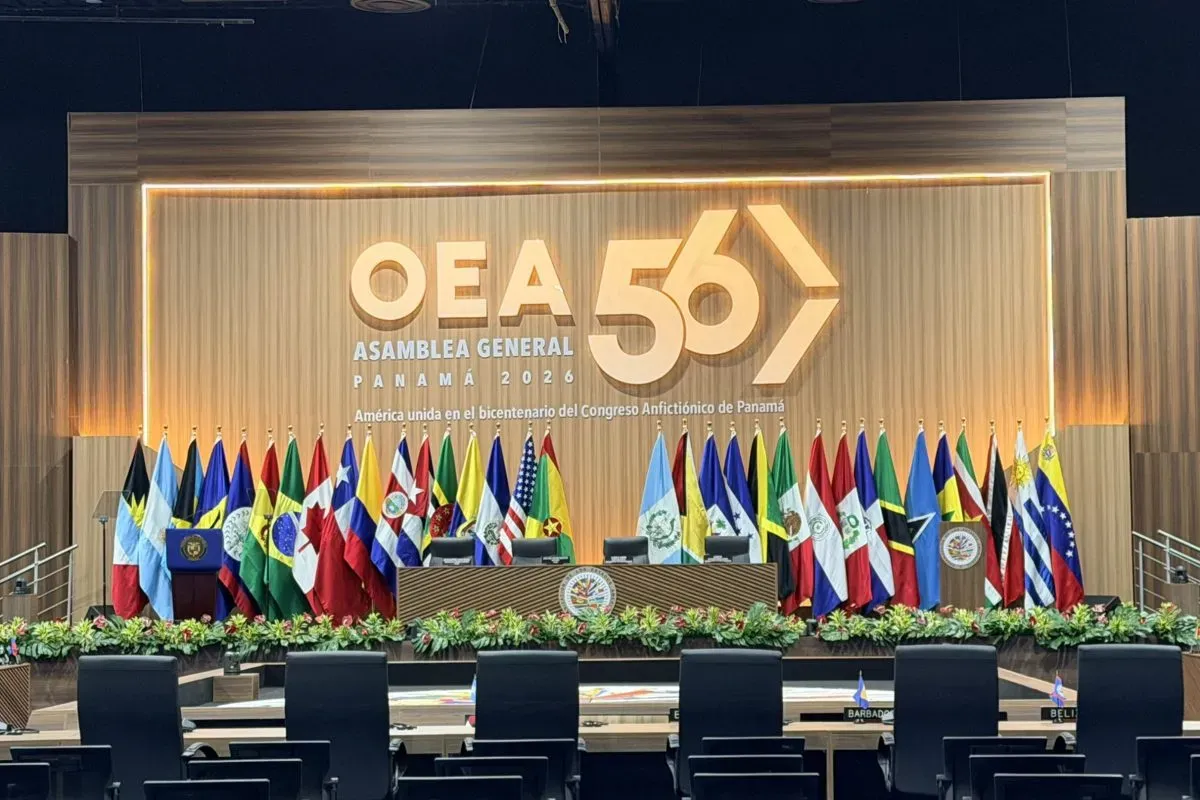
Panama City became the center of hemispheric diplomacy this week. The 56th General Assembly of the Organization of American States opened its plenary sessions on Tuesday, June 23. Delegates from member nations approved a sweeping package of declarations and resolutions that will guide the body’s work for the coming year.
The meeting marks Panama’s return as a host for major regional dialogue. Foreign ministers and diplomats gathered at the Atlantic Pacific Convention Center in Panama City. The sessions ran from Tuesday through Thursday, covering democracy, social inclusion, and institutional budgets.
Democracy and Human Rights Take Center Stage
One issue dominated much of the diplomatic conversation. Member states approved a formal declaration on the Nicaragua situation, a recurring point of tension in regional affairs. The document calls for renewed dialogue and respect for democratic institutions in the Central American nation.
The assembly also marked a major institutional milestone. Delegates adopted a special resolution commemorating the 25th anniversary of the Inter-American Democratic Charter. This charter, signed in 2001, remains the cornerstone of collective defense of democracy across the Americas.
We reaffirm our unwavering commitment to the principles of the Inter-American Democratic Charter. Democracy is not just an ideal but a daily practice that requires constant vigilance and protection. [Translated from Spanish]
Social inclusion measures also moved forward. Representatives approved an extension of the Decade of the Americas for the Rights and Dignity of Persons with Disabilities. The accompanying program of action outlines specific targets for accessibility and nondiscrimination. The session also recognized the 30th anniversary of the Inter-American Council for Integral Development, known by its Spanish acronym CIDI.
Health, Budget, and Technical Decisions
The assembly tackled more than political declarations. A new resolution focused on improving mental health across the Americas. The text promotes whole-of-government and intersectoral approaches to address this growing crisis. Member states agreed to share best practices and increase funding for mental health services.
Financial matters required tough negotiations. The assembly approved the OEA Program-Budget for 2027. This decision came alongside reforms to the Statute of the Administrative Tribunal. The budget reflects member contributions and prioritizes core democratic missions.
Telecommunications emerged as a priority sector. Delegates established the Inter-American Telecommunication Commission, known as Citel, as the lead body for information technology development. They also approved modifications to Citel’s statute and regulations. This move aims to streamline digital cooperation across the region.
Operational efficiency received significant attention. Resolutions passed on mandate management, new hemispheric development initiatives, and strengthening the Inter-American Emergency Assistance Fund. These measures seek to make the organization more responsive to crises.

Economic Context Shapes Debate
The assembly’s decisions come amid challenging economic conditions across Latin America. The Economic Commission for Latin America and the Caribbean (ECLAC) projects slow growth for the region this year. Inflation and fiscal constraints limit many governments’ ability to fund new programs.
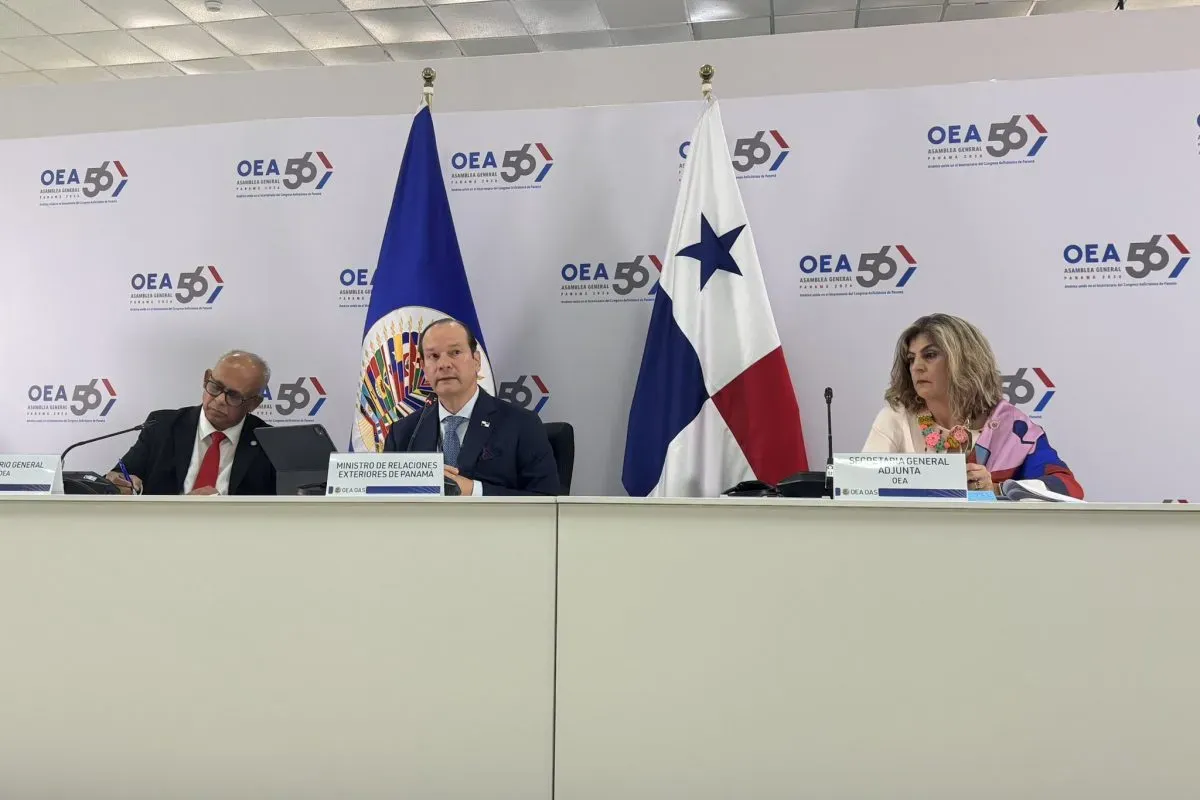
Panama’s role as host carries symbolic weight. The country has positioned itself as a hub for international dialogue. President Jose Raul Mulino addressed the assembly, calling for strengthened cooperation. He urged member states to move beyond rhetoric and focus on concrete results.
Official Documents Now Available
The OEA has published all approved texts on its official documents portal. Key items include the declaration on Nicaragua, the resolution on the Democratic Charter anniversary, and the 2027 budget. Other documents cover modifications to Citel’s statute and reforms to the Administrative Tribunal.
Several resolutions address long-term institutional goals. The extension of the disability rights decade runs through 2036. The mental health resolution establishes a working group to monitor implementation. Member states will report on progress at next year’s assembly.
The approved mandate management resolution aims to reduce duplication. It requires the OEA Secretary General to review all active mandates and recommend consolidations. This could streamline the organization’s sprawling committee structure.
Next steps involve implementation at the national level. Each resolution includes specific deadlines and reporting requirements. The OEA Permanent Council will oversee follow-up during the coming months. Member states have pledged to report on their progress by the first quarter of 2026.
The assembly concluded with a call for unity. Panama’s foreign minister thanked delegates for their constructive engagement. He emphasized that the real work begins now, as nations translate these resolutions into action on the ground.