



The numbers tell a compelling story about changing travel patterns in Central America. More than 132,000 travelers chose to extend their layovers in Panama during the first half of 2026, marking a 38 percent jump compared to the same period last year. This surge comes from a partnership between Copa Airlines, the Panama Tourism Authority, and PROMTUR Panama. Pedro Heilbron, the chief executive of Copa Airlines, pointed to the country’s unique position in regional aviation.
“Panama has the advantage of offering the best air connectivity in the region, which brings the country closer to dozens of international markets,” Heilbron said.
“The value of Panama Stopover lies in taking advantage of that connectivity so that more travelers stay in the country as part of their trip and not just as a transit point.” [Translated from Spanish]
Heilbron added that the first semester results motivate continued collaboration with tourism authorities. The goal is straightforward: turn the Hub of the Americas into a gateway for longer visits, not just quick connections.
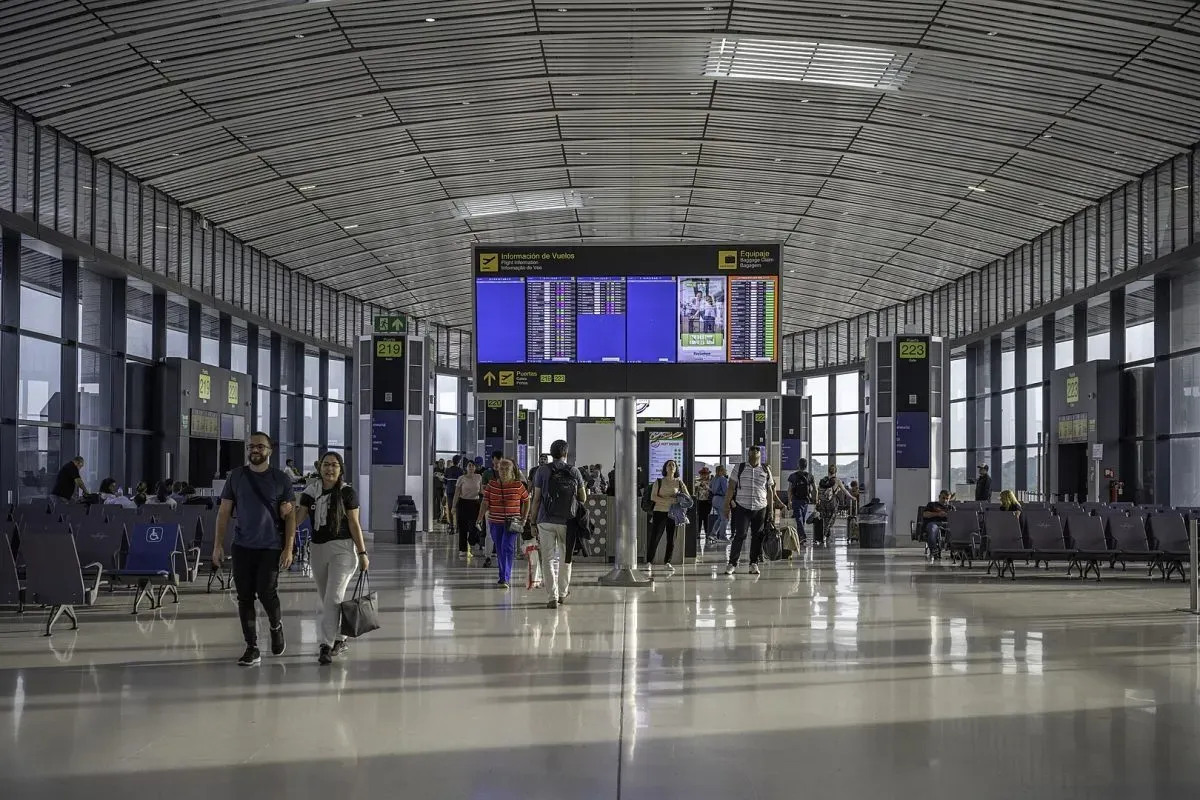
Where Visitors Come From and What They Do
Argentina, the United States, and Ecuador topped the list of origin countries for stopover visitors. These markets show growing interest in adding Panama to travel itineraries rather than rushing through the airport. Travelers are mixing urban experiences with natural attractions, from the Panama Canal and local shopping to beaches, nature activities, and cultural tours. Gloria De León, the administrator of the Panama Tourism Authority, emphasized the broader economic impact. “Panama Stopover has consolidated itself as one of the most successful strategies to transform our air connectivity into more tourism, more economic spillover, and more opportunities for thousands of Panamanians,” De León said. “Each visitor who decides to stay in the country drives hotels, restaurants, tour operators, businesses, and entrepreneurs.” [Translated from Spanish] She noted that the 38 percent growth confirms a shift in perception. Panama is no longer just a connection point. It is becoming a destination travelers actively choose to explore.
Longer Stays and Airport Innovations
Recent changes to the program have made extended visits more attractive. Copa Airlines increased the permitted stopover period from 7 to 15 days without adding airfare costs. This gives travelers more time to explore the country’s diverse regions. A new airport exhibition called Sal-a Panama opened at Tocumen International Airport in late May. It has already received more than 80,000 visits. The space functions as a cultural showcase, introducing passengers to Panama’s biodiversity, cuisine, and heritage. The exhibition resulted from cooperation between the Tourism Authority, the airport authority, PROMTUR Panama, and Copa Airlines. More than 80 partner businesses now participate in the Panama Stopover Program. These include hotels, restaurants, and experience operators that offer concrete options for travelers deciding to make a stop in the country. The network helps translate visitor interest into actual economic activity across the tourism industry.
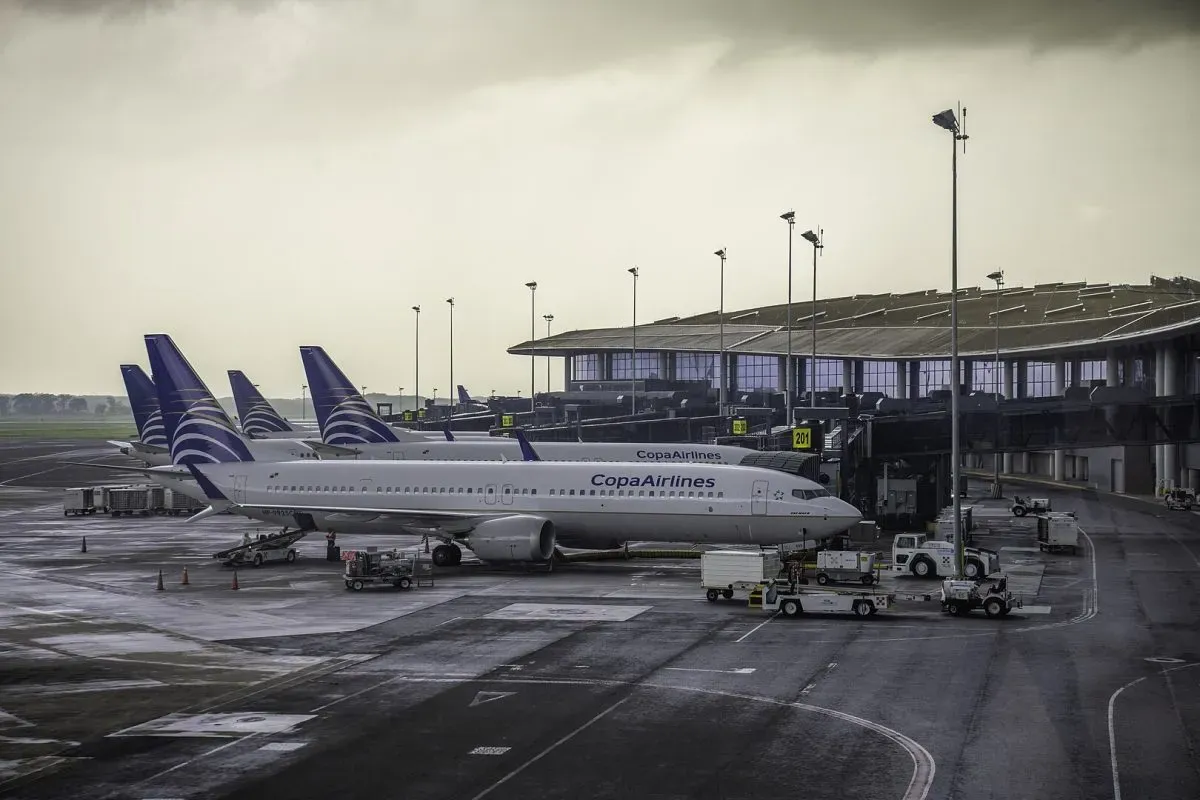
Looking Toward the 250,000 Visitor Target
The strong first half positions the program to exceed its goal of 250,000 visitors for all of 2026. The strategy relies on maintaining the connectivity that makes Panama a natural stopover point while improving the incentives for passengers to leave the airport. Internal data from Copa Airlines shows that the extended stay period has been a key factor in the program’s growth. Travelers are taking advantage of the extra days to visit multiple regions rather than limiting themselves to Panama City. The success of Panama Stopover reflects a broader trend in global aviation. Airlines and tourism boards are increasingly recognizing that layovers represent untapped potential. Instead of viewing stopovers as inconveniences, they are marketing them as opportunities. Panama’s geographic position, combined with its modern airport infrastructure and diverse attractions, makes it particularly well-suited for this approach. For local businesses, the program’s growth translates into real economic benefits. Restaurants near the Casco Antiguo district report increased lunch traffic from travelers with afternoon connections. Tour operators offering half-day Panama Canal visits have expanded their schedules to accommodate the growing demand. Hotel occupancy rates in the city have seen measurable improvements tied directly to stopover visitors. The partnership model used in Panama Stopover could serve as a template for other countries looking to maximize their aviation assets. By coordinating between airlines, tourism authorities, and airport management, Panama has created a system that benefits all parties while giving travelers a compelling reason to extend their journeys.