


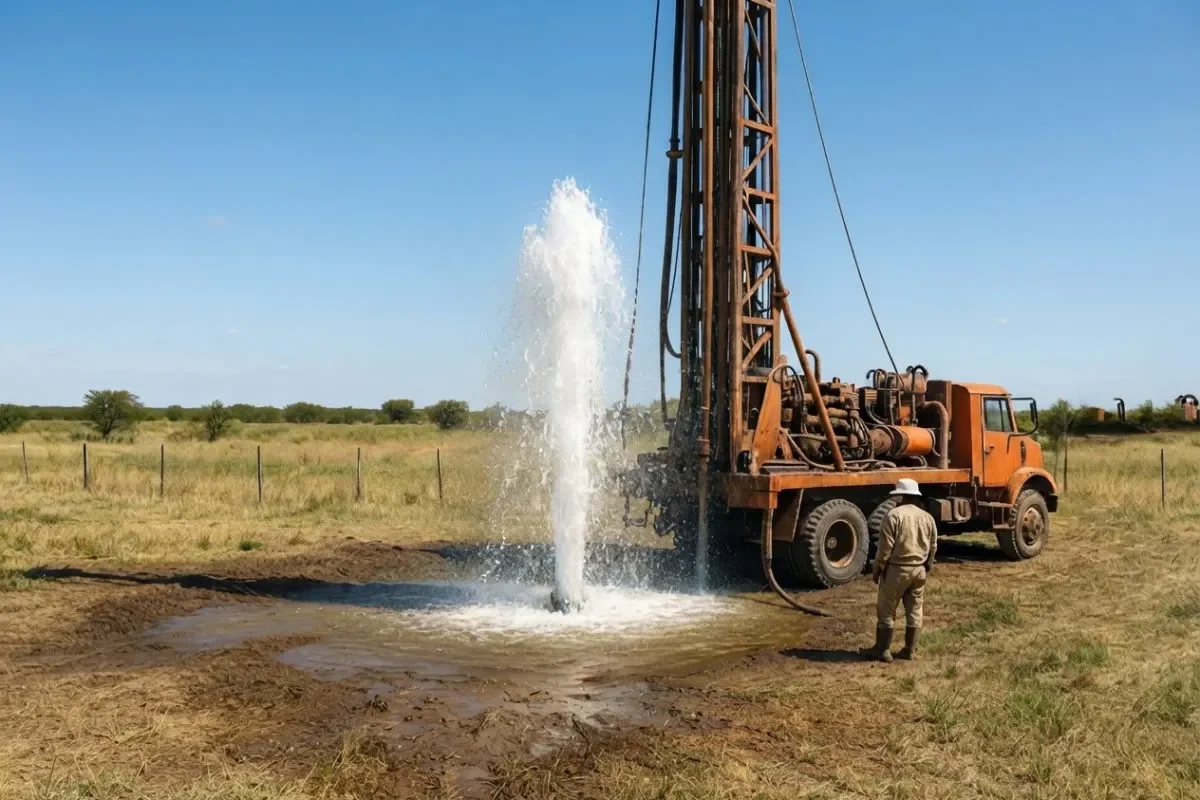
Panama’s Ministry of Environment (MiAmbiente) is preparing new studies to regulate water well drilling across the country, citing fears that the approaching El Niño phenomenon could trigger unsustainable extraction of underground reserves. The agency confirmed it has catalogued roughly 3,700 wells in 2025 and is now verifying which remain operational while testing water quality for human consumption, agriculture, and livestock use.
Betzabé Atencio, national director of Water Security at MiAmbiente, said the government will require scientific data before authorizing new perforations. The policy shift comes as projections indicate rainfall will remain below normal levels from September through November, with more severe deficits expected along the Pacific watershed starting in December.
Groundwater Reserves Under Pressure
Atencio described underground water as the country’s savings account, warning that tapping it without proper studies risks depleting aquifers that sustain rivers during dry periods. “Groundwater is our reserves, it’s our savings account” [Translated from Spanish], she said, emphasizing the direct connection between subterranean extraction and surface water levels.
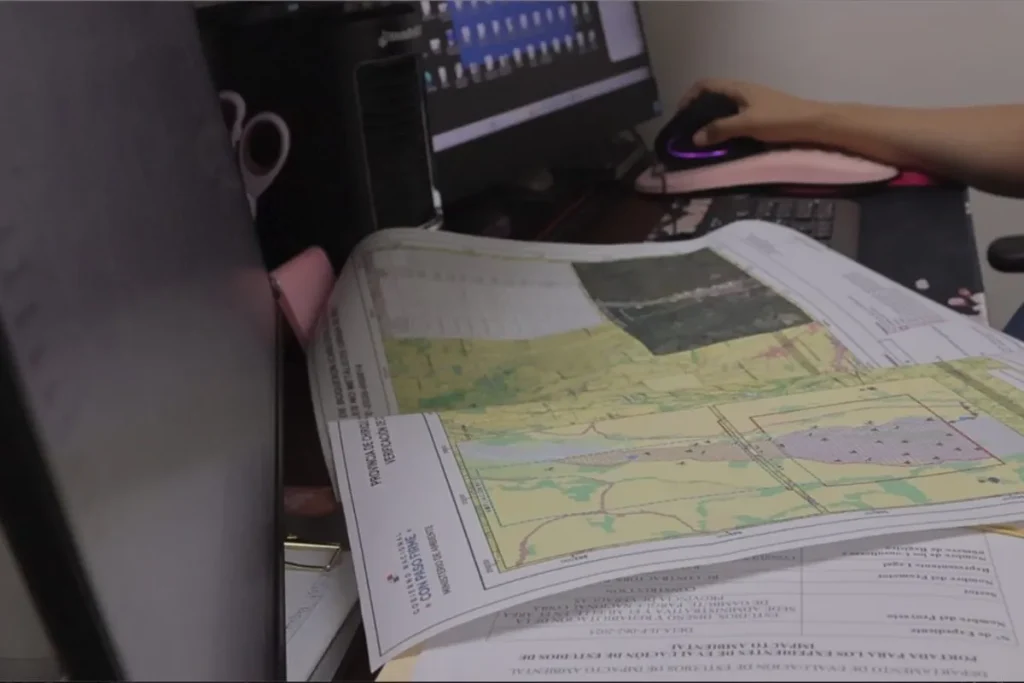
The agency has identified early signs of overexploitation in several Azuero Peninsula basins. Officials are particularly focused on the Arco Seco region, where they aim to map zones with higher groundwater availability to guide future well permits. The goal is to prevent indiscriminate drilling while preserving aquifers as emergency reserves.
MiAmbiente is coordinating with the Ministry of Agricultural Development and the Ministry of Health to monitor existing wells nationwide. The joint effort includes sampling water to determine whether it meets safety standards for different uses, from drinking to irrigation.
River Monitoring and Treatment Plant Risks
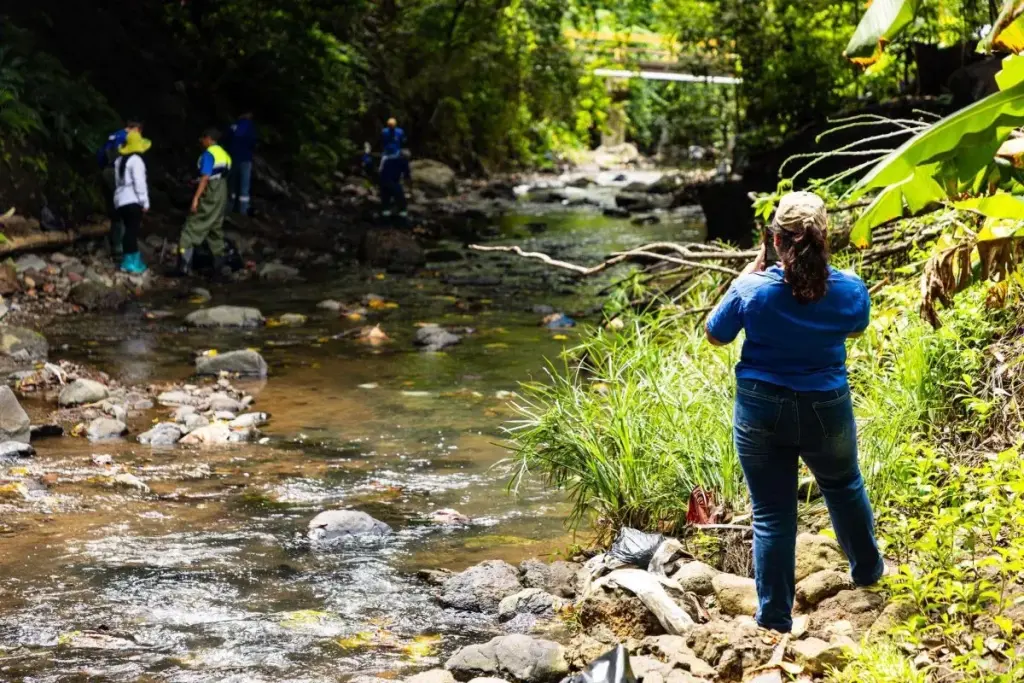
Several rivers remain under close surveillance as El Niño conditions develop. La Villa and Estibaná in Los Santos, Grande and Chico in Coclé, and Chiriquí Viejo, San Pablo, and San Pedro in Veraguas are among those most likely to experience significant flow reductions. Minimum water levels required for potabilization plants vary by river system, and officials expect some facilities could face operational difficulties by year’s end.
Lower river volumes also reduce natural dilution capacity, increasing contaminant concentrations. MiAmbiente plans to intervene in 17 wastewater treatment systems that are malfunctioning or collapsed, all located near sources that supply drinking water plants.
Atencio clarified that El Niño does not mean rain will stop entirely. Projections show precipitation continuing through November, albeit below historical averages. The most acute impacts on water availability are expected to emerge in December and persist into the dry season.
Forest Protection and Long-Term Water Security
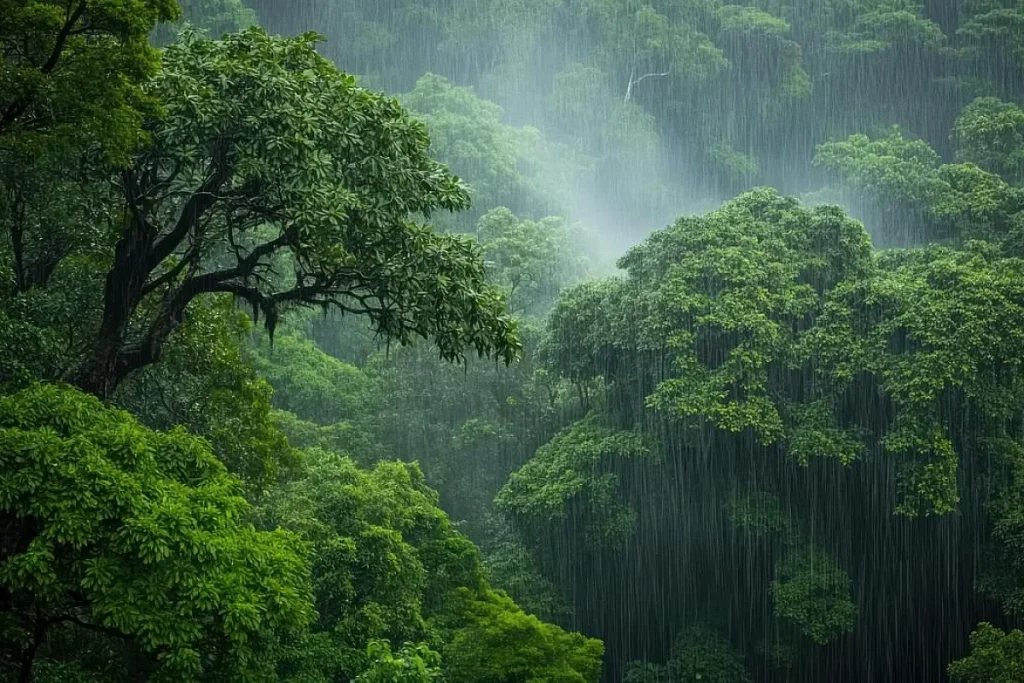
Authorities are linking water availability directly to forest conservation within hydrographic basins. Protecting wooded areas helps maintain natural water cycles and reduces erosion that can compromise both surface and underground sources. This integrated approach reflects growing concern that climate variability will make water management more challenging in coming years.
The Ministry’s strategy represents a shift from reactive well drilling toward planned, data-driven decisions. By requiring studies before permits, officials hope to avoid the cycle of emergency extraction that has strained aquifers in other drought-prone regions of Central America.
For communities in the Arco Seco and other vulnerable areas, the new regulations could mean longer waits for well approvals. But the government argues that preserving groundwater for genuine emergencies outweighs the short-term convenience of unrestricted access. The coming months will test whether this precautionary approach can balance immediate needs with long-term sustainability.