


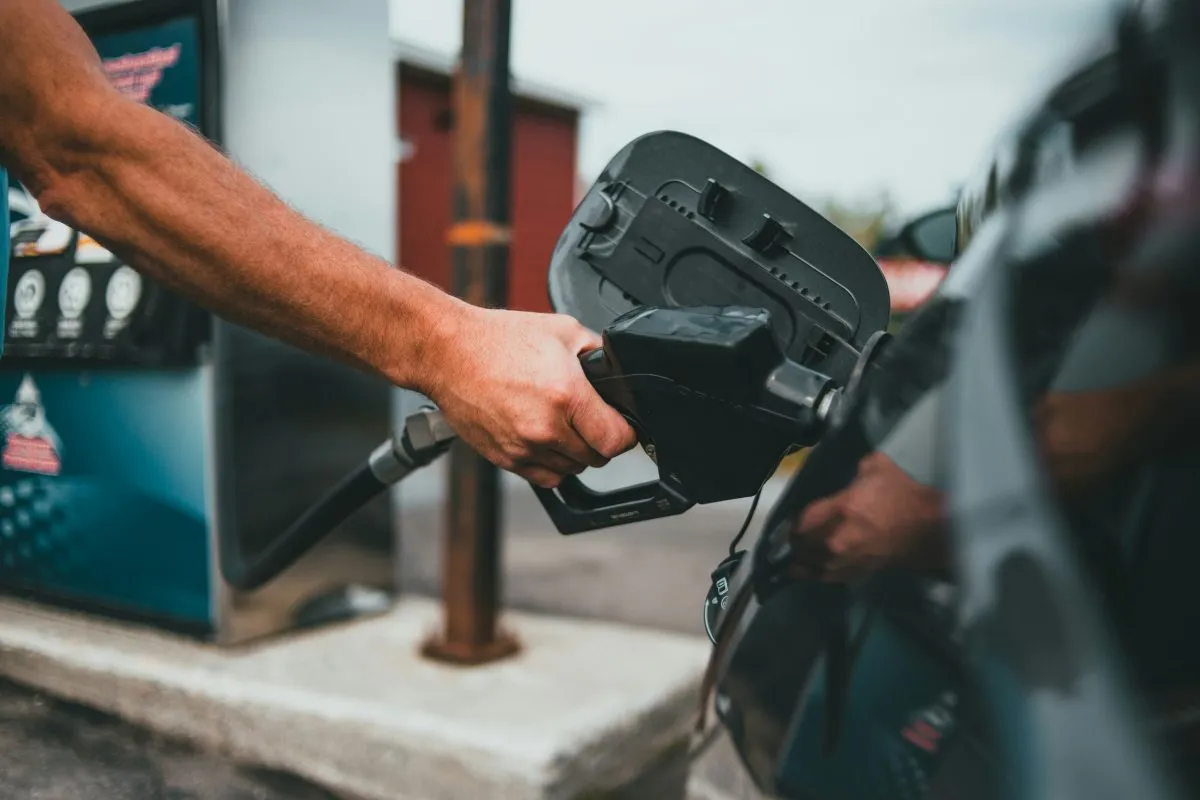
Panama’s National Energy Secretariat (SNE) announced new fuel prices effective nationwide this Friday, November 28. The adjustments will see costs for 95-octane gasoline and low-sulfur diesel rise by as much as eight cents per liter over the next two weeks.
📑 Table of Contents
The updated Maximum Consumer Sale Price at liquid fuel service stations in Panama City and Colon sets 95-octane gasoline at $0.888 per liter. That price reflects an eight-cent increase. In contrast, 91-octane gasoline will see a slight decrease of eight cents, selling for $0.843 per liter. The price of diesel will rise by seven cents, reaching a maximum of $0.866 per liter at the pump.
These new rates are officially in effect from November 28 through December 12, 2025. Officials tied the changes directly to fluctuations in the international market. The SNE calculates its reference prices based on the value of finished products traded on the Gulf Coast of the United States, Panama’s primary supplier market.
Official Statement on Pricing Mechanism
In its official communication, the SNE explained the biweekly adjustment process. The agency stated that Panama’s fuel prices are intrinsically linked to global commodity trends. This system aims for transparency, though it can lead to frequent price swings at the pump for consumers.
“The reference prices are calculated based on the international values of finished products (gasolines and diesel) quoted on the Gulf Coast of the United States, the country’s main supplier market, with adjustments made every 14 days,” the SNE stated. [Translated from Spanish]
This regular adjustment cycle means Panamanian drivers experience price changes twice monthly. The current hike primarily impacts higher-grade fuel and diesel, which is widely used for commercial transportation and logistics.
Impact on Consumers and the Market
The differing adjustments for fuel types create a mixed financial picture. Drivers using standard 91-octane gasoline will see minor relief. Those requiring higher performance 95-octane fuel or operating diesel vehicles face an immediate increase in their transportation costs. The octane rating indicates a fuel’s resistance to engine knocking, with higher ratings typically commanding a premium price.
The rise in diesel prices is particularly significant for the country’s freight and shipping sectors. Panama’s economy relies heavily on the movement of goods, meaning increased diesel costs can have a ripple effect. The mandated use of low-sulfur diesel is an environmental standard but often comes at a higher refining cost passed to consumers.
This price change follows other recent economic developments in the country, including significant law enforcement actions from this year on, that impact various sectors. The next scheduled fuel price review by the National Energy Secretariat will occur on December 12, potentially leading to another adjustment just before the holiday season.