


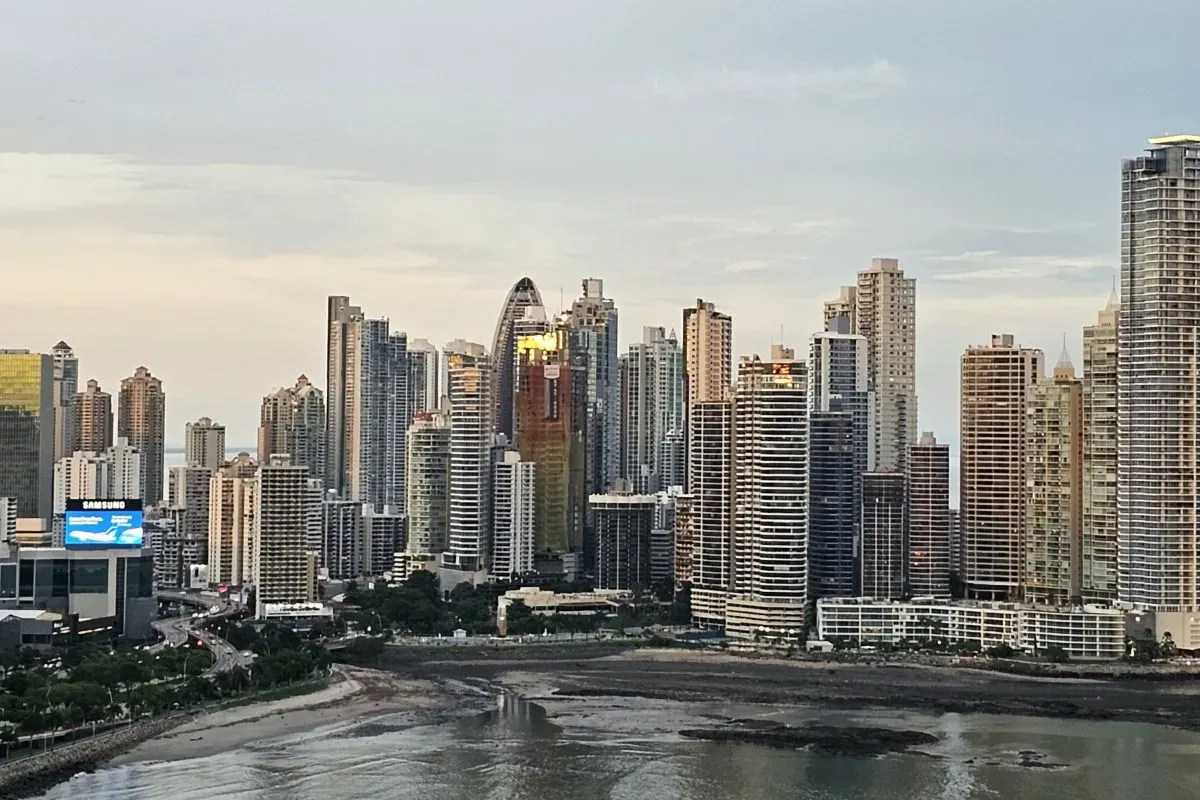
India is actively strengthening its commercial presence in Panama, with companies from technology, automotive, chemical, and service sectors exploring new opportunities for business and regional expansion. The Asian nation remains one of the top destinations for Panamanian exports while deepening investment ties, according to the Indian ambassador in Panama City. This strategic push aims to leverage Panama’s unique logistical advantages to access broader Latin American markets.
The bilateral relationship is experiencing a phase of significant growth and diversification. This growth is fueled not only by an increase in the exchange of goods but also by a clear interest from Indian firms in establishing regional operations from Panamanian territory. Ambassador Sumit Seth outlined a focused strategy built on what he calls the five pillars of the bilateral relationship: traditions, trade, technology, tourism, and talent.
“We are promoting Indian culture through music, dance, yoga, meditation, and Ayurveda, but we also participate in Panamanian festivals to learn about their traditions,” Ambassador Seth explained. [Translated from Spanish] He noted that this cultural exchange builds trust and understanding between communities, which in turn facilitates stronger commercial links.
The trade component has shown particularly robust growth in recent years. India consistently ranks among the leading destinations for Panamanian exports, driven largely by purchases of raw materials linked to the forestry and agricultural sectors. Official trade statistics underscore this positive trajectory, revealing a solid and growing economic partnership.
Sustained Export Growth and Key Commodities
Between 2020 and 2025, Panama exported over $252 million worth of products to India. This period saw sustained growth, starting from $33.1 million in 2020 and reaching a peak of $51.9 million in 2024. Exports for 2025 settled at $42.6 million, with January of this year alone seeing $4.6 million in Panamanian goods shipped to India. A significant portion of these exports consists of raw materials, with unprocessed teak wood accounting for approximately 43 percent of the total.
Scrap and waste from iron or steel founding contribute another 21.5 percent to the bilateral trade figure. Other notable exports include aluminum and copper waste, along with various industrial materials. Ambassador Seth confirmed that India is one of the primary global buyers of Panamanian teak, a high-value wood extensively used in furniture manufacturing within the Asian market.
“India is purchasing agricultural products and especially teak from Panama. We are one of the largest buyers of that wood,” the ambassador stated. [Translated from Spanish] He added that copper remains a critical input for India’s economy due to its use in clean energy, data centers, artificial intelligence, and batteries, suggesting future trade potential if supply conditions shift.
Industry experts echo this assessment. Bianca Morán, former president of the Panamanian Exporters Association and an executive in the processed teak sector, has previously identified India as a crucial market for Panama’s forestry industry. She noted the country imports Panamanian teak specifically for processing into high-end furniture. This demand underscores a complementary trade relationship where Panama supplies premium raw materials for India’s manufacturing base.
Indian Exports and the Investment Landscape
The trade flow is not one-way. India exports a diverse range of products to Panama, including pharmaceuticals, textiles, processed foods, auto parts, automobiles, and technological equipment. These goods supply both the local Panamanian market and the logistical operations of multinational companies based in the country. According to figures from Panama’s Comptroller General, India exported approximately $863 million in merchandise to Panama between 2020 and 2025, cementing its position as a key supplier.
Beyond simple goods exchange, a more strategic shift is underway. Ambassador Seth highlighted a growing interest from Indian companies in using Panama as a regional headquarters for Latin American operations. He pointed to Panama’s fundamental advantages as the driving force behind this interest.
“More and more Indian companies are seeing Panama as a regional headquarters. Panama has the Canal, the financial center, air connectivity with Copa Airlines, and a very strong logistical platform,” Seth explained. [Translated from Spanish]
This interest materializes through participation in major trade fairs like Expocomer, where around ten Indian companies recently explored opportunities. Sectors represented included banking, automotive, information technology, chemicals, and manufacturing. A primary attraction for these firms is Panama’s Multinational Company Headquarters (SEM) regime. The program offers established corporations significant tax and immigration benefits for setting up regional management centers.
Technology and Talent Forge Future Links
The “technology” and “talent” pillars of the ambassador’s framework are gaining equal traction. Indian technology firms are increasingly viewing Panama as a gateway for digital services in Central and South America. Simultaneously, there is a push for greater talent exchange. Initiatives are being discussed to bring Indian specialists in fields like information technology and engineering to Panama, while also exploring avenues for Panamanian students to pursue education in India.
This multifaceted approach suggests a long-term vision for the partnership. It moves beyond traditional Foreign trade in commodities towards a more integrated economic relationship. The combination of cultural diplomacy, goods exchange, and strategic investment creates a resilient foundation for future growth. For Panama, this means diversifying its economic partnerships and solidifying its role as a hemispheric business platform. For India, it represents a calculated entry point into a region with substantial consumer market potential.
Officials from both countries anticipate continued expansion across all five pillars. Upcoming diplomatic and trade missions are planned to further connect business leaders and identify collaborative projects. The evolving relationship between India and Panama demonstrates how mid-sized economies can build mutually beneficial partnerships that extend far beyond simple import-export dynamics, weaving together commerce, culture, and investment into a single strategic tapestry.