


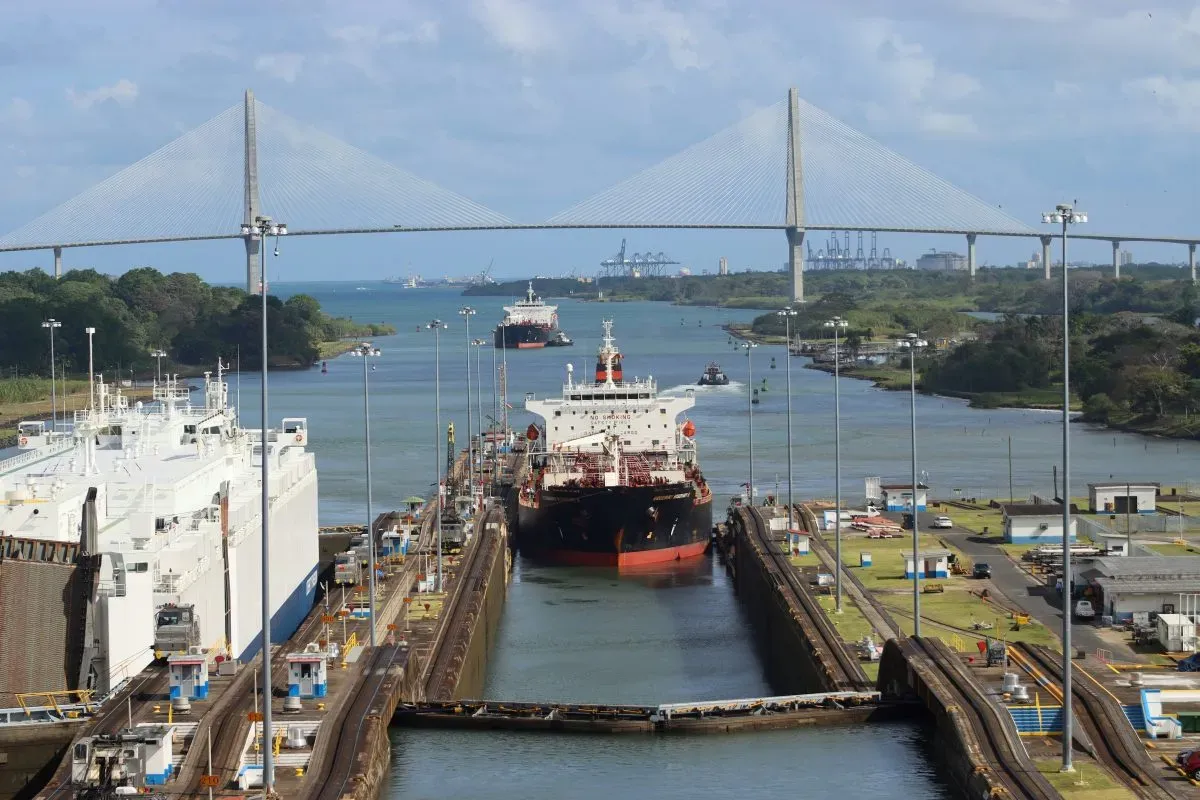
Panama celebrates a major national anniversary today as the Panama Canal completes 26 years under full Panamanian control. The historic handover occurred at noon on December 31, 1999, ending nearly a century of United States administration over the critical global waterway. This transfer stands as a defining moment of sovereignty and national pride for the Central American nation.
The transition was not abrupt but the final step in a process set in motion decades earlier. It culminated a 22-year timetable established by pivotal international treaties. For Panama, the date represents the realization of a long-held national aspiration.
“December 31, 1999, wrote another chapter in the history book of Panama. At 12:00 p.m. the Canal was completely ours. What seemed distant became reality, marking a before and an after. We showed the world what we are capable of!” [Translated from Spanish]
The canal authority released this statement to commemorate the anniversary. It captures the profound sentiment surrounding the handover, which many Panamanians viewed as the true culmination of their country’s independence.
The Path to Sovereignty Over the Canal
Control of the canal zone was a central issue in Panamanian politics for most of the 20th century. The pathway to the 1999 transfer began with the signing of the Torrijos–Carter Treaties on September 7, 1977. Panamanian leader General Omar Torrijos Herrera and U.S. President Jimmy Carter negotiated these accords.
They nullified the original 1903 treaty that granted the U.S. perpetual control. The new treaties instead outlined a gradual process. The United States agreed to relinquish authority over the Panama Canal Zone and the waterway itself. December 31, 1999, was codified as the irrevocable deadline for full transfer.
This period allowed for a managed transition of operational knowledge and responsibility. It provided time for Panama to establish its administrative entity, the Panama Canal Authority (ACP), which began training its workforce years in advance.
A Record of Operational and Financial Success
Panamanian administration over the past 26 years has proven the nation’s capability. The canal has not only maintained but enhanced its global standing. Operations continued seamlessly from the first minute of Panamanian control, a fact noted by international maritime observers.
Major infrastructure investments followed. The most significant was the completion of the Canal Expansion Program in 2016. This $5.25 billion project introduced a new set of locks, allowing transit for much larger “Neopanamax” vessels. It dramatically increased the waterway’s capacity and revenue potential, securing its competitive edge against other global routes.
Financially, the canal has become the largest contributor to Panama’s national treasury. It has transferred billions of dollars in direct contributions to the state. These funds are legally mandated to support social programs, public infrastructure, and economic development. The canal’s success directly finances national progress.
Its operational model is now studied worldwide. The ACP has implemented cutting-edge water conservation measures and technological innovations. These steps ensure sustainability despite challenges like climate change and fluctuating global trade demands. The authority manages one of the world’s most complex logistics operations with notable efficiency.
A Symbol of National Identity and Future Promise
Beyond economics and engineering, the canal’s significance is deeply symbolic. For Panamanians, its management represents a hard-won sovereignty and a source of immense collective pride. The waterway is a physical manifestation of the country’s role as a bridge between oceans and continents. Its effective administration counters decades of doubt about Panama’s readiness for the responsibility.
The anniversary arrives as the canal navigates modern challenges. Recent droughts have forced draft restrictions and reduced daily transit slots, highlighting its vulnerability to climate patterns. The authority has responded with tactical water management and a revised pricing model. These actions aim to balance service reliability with environmental reality.
Looking forward, the canal’s role in global supply chains remains indispensable. It facilitates approximately 3% of world maritime trade, a figure that underscores its enduring strategic importance. Panamanian officials consistently state their commitment to investing in the waterway’s resilience and technological advancement. The goal is to ensure its relevance for the next century.
Celebrations of the handover anniversary are subdued but resonant across the country. Official ceremonies and public reflections acknowledge the journey. Media outlets like telemetro reporta highlight the day’s historical weight. The story continues to define Panama’s international identity.
Twenty-six years after the flag ceremony at noon, the Panama Canal stands as testament to a national achievement. It transformed from a symbol of foreign control into one of domestic triumph. The waterway’s continued success under Panamanian stewardship answers the central question of 1999 with definitive, operational clarity.