


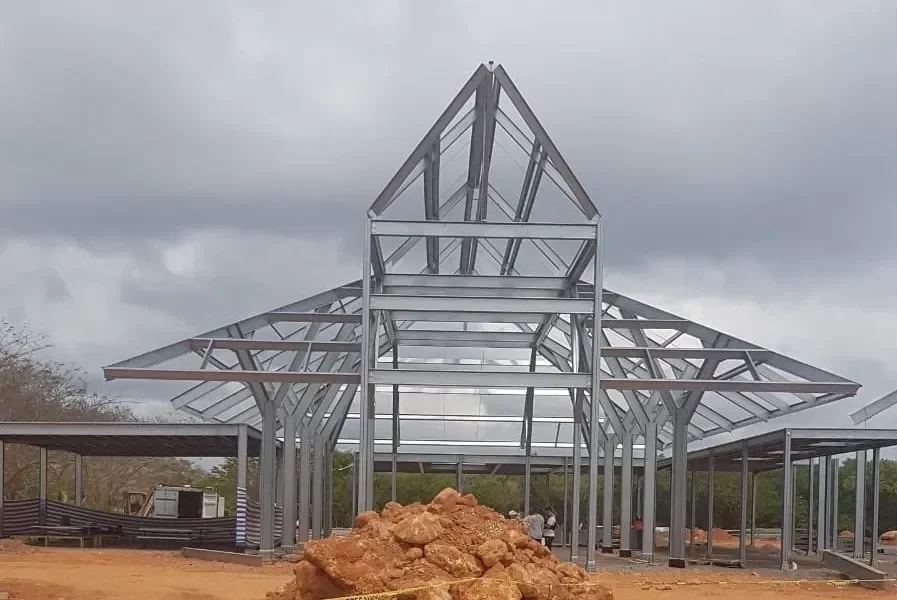
Panama’s Ministry of Environment has forcefully reiterated a stop-work order for a coastal tourism development in Punta Chame. Officials acted after a surprise inspection this week confirmed construction had resumed despite an official suspension. The ministry’s regional office for Western Panama led the operation following citizen alerts and visual evidence shared on social media.
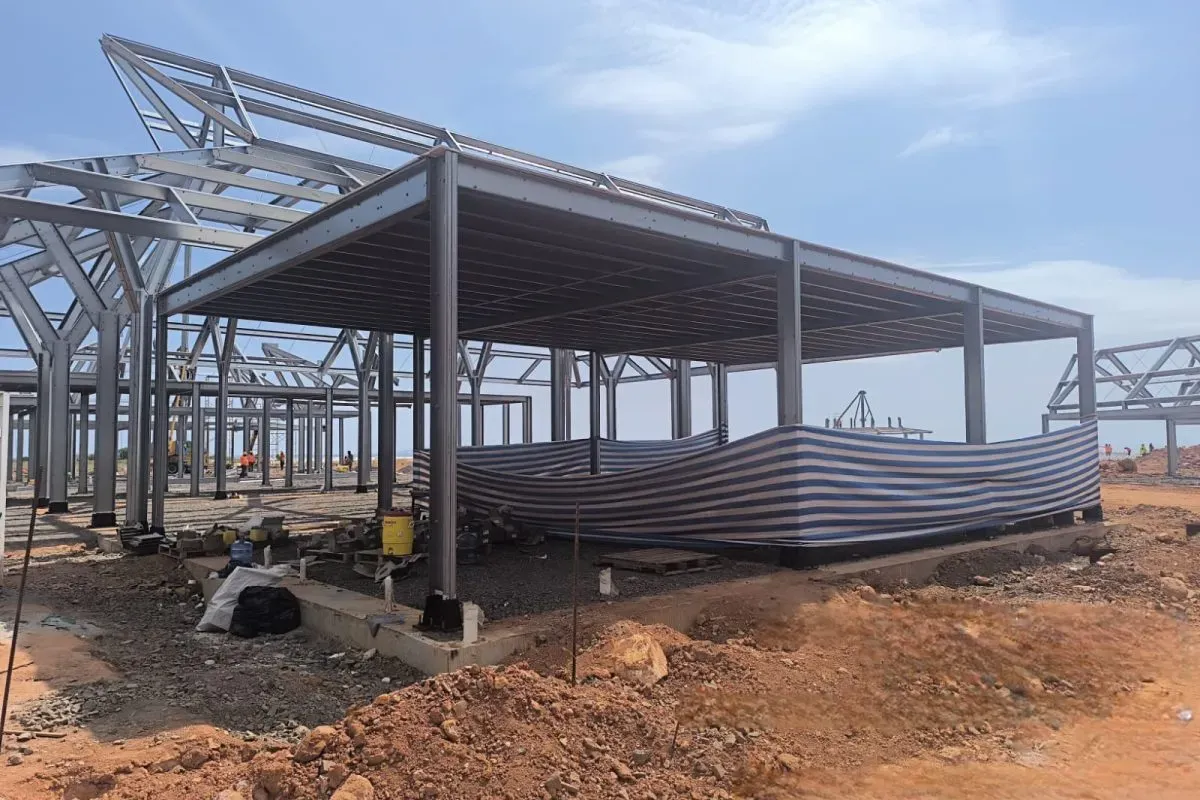
The site inspection verified the movement of trucks carrying materials alongside the presence of heavy machinery and workers. This activity directly contravened the preventive suspension order initially issued on January 19. That order was prompted by alleged environmental damage, specifically linked to the possible illegal extraction of sand from the Punta Chame beach area.
Coordinated Enforcement Action
This was not a routine check. The verification unfolded as a coordinated multi-agency effort designed to demonstrate enforcement muscle. Personnel from the ministry’s National Directorate of Environmental Verification and Performance participated, specifically its Coasts and Seas section. Legal advisors and the Superior Environmental Prosecutor’s office joined them.
Support also came from operational units. The National Aeronaval Service (Panama) provided units, while the Specialized Multidisciplinary Environmental Team and the Judicial Investigation Directorate attended. Their collective goal was to physically confirm compliance with the mandated halt.
“The Ministry of Environment reiterates that any disregard for this provision carries severe administrative sanctions and the pursuit of legal processes for possible environmental crimes,” stated an official communication. [Translated from Spanish]
The statement from the Ministry of Environment (Panama) left no room for ambiguity. It warned of serious consequences for non-compliance. This case echoes a similar recent incident where authorities acted against punta chame beach sand theft following social media exposure.
Citizen Vigilance and Legal Pathways
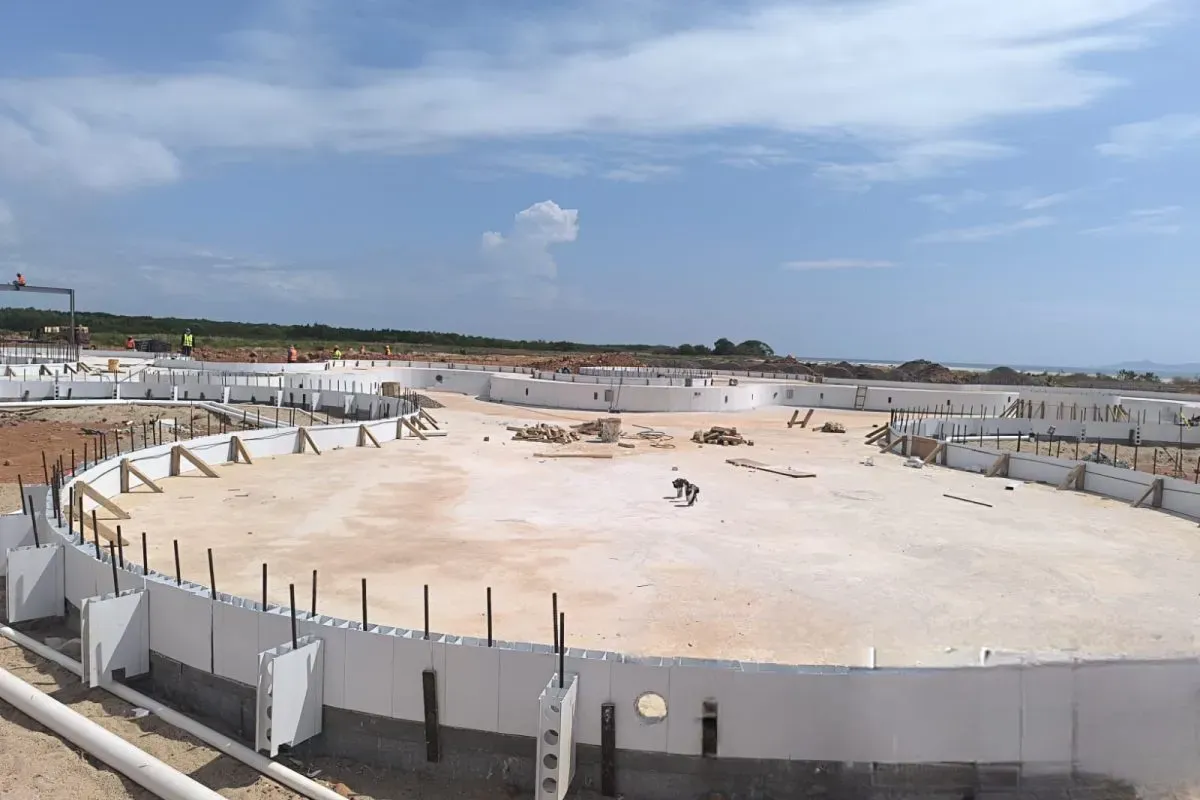
Public reports triggered the latest government response. Ministry officials explicitly thanked citizens for using official channels to flag potential environmental harm. They highlighted the 311 hotline and the institution’s social media accounts, @miambientepma, as critical tools for public oversight.
This incident underscores a persistent tension in Panama’s coastal zones. Developers often eye pristine beaches for tourism projects, while communities and environmental regulators work to protect fragile ecosystems. The alleged illegal sand extraction sits at the heart of this conflict, a practice that can lead to severe coastal erosion and habitat destruction.
What comes next involves legal and administrative proceedings. The ministry reaffirmed its commitment to natural resource conservation and to processing citizen complaints promptly. All its actions, it insists, follow the framework of existing environmental law. Project developers now face not just a stalled site but the prospect of fines and criminal charges.
For now, the machinery in Punta Chame must stay silent. The ministry’s decisive move signals a willingness to back its mandates with immediate, on-the-ground enforcement. Whether this halts the project for good or merely pauses it awaits the outcome of the ongoing investigation.