



Expatriates in Panama often suspect they pay inflated “Gringo Tax” prices for legal work. Official documents show a different reality. The country’s Official Minimum Professional Fee Tariff sets mandatory minimum prices for all legal services, from visas to property purchases. This binding framework, enforced by the Panama Supreme Court, aims to standardize costs and protect professional integrity.
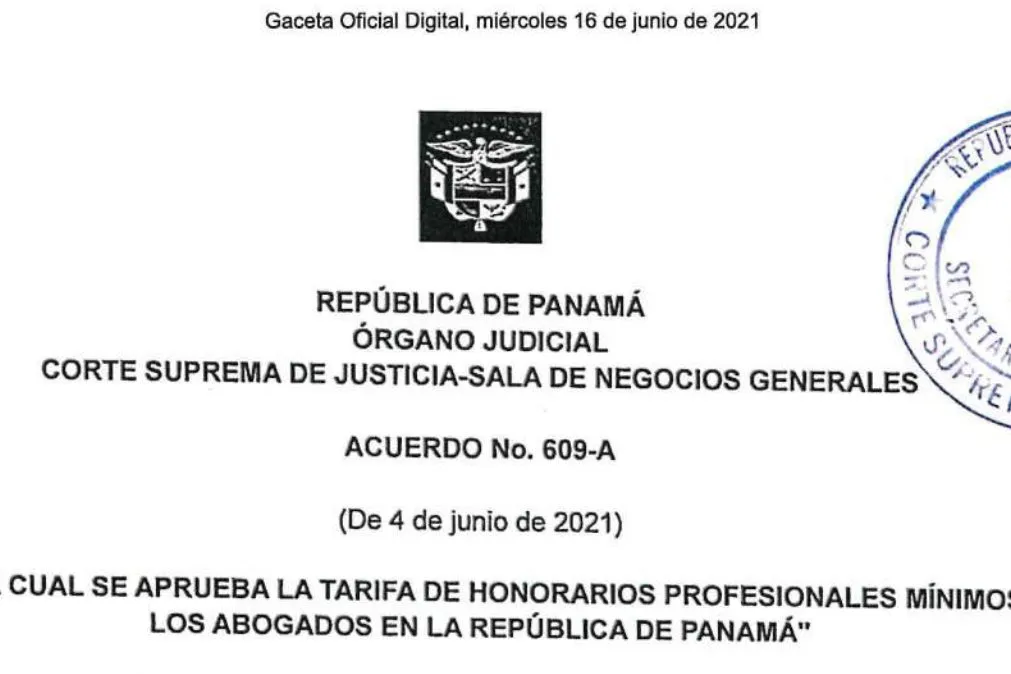
The current tariff was established by Supreme Court Agreement No. 609-A in June 2021. It provides a detailed price floor that attorneys cannot legally undercut. For foreigners navigating residency or real estate transactions, this schedule offers predictable cost expectations. The system is designed to prevent predatory pricing wars that could compromise service quality.
“The lawyer is often simply adhering to the law. A lawyer who offers a massive discount is the one you should worry about. They are effectively telling you they are willing to break the law before you’ve even signed the contract,” explained a Panama City attorney who requested anonymity due to professional rules. [Translated from Spanish]
Understanding this tariff is crucial for financial planning. It also serves as a key tool for identifying potentially unethical practitioners who operate outside the legal boundaries.
Mandatory Minimum Fees for Residency and Immigration
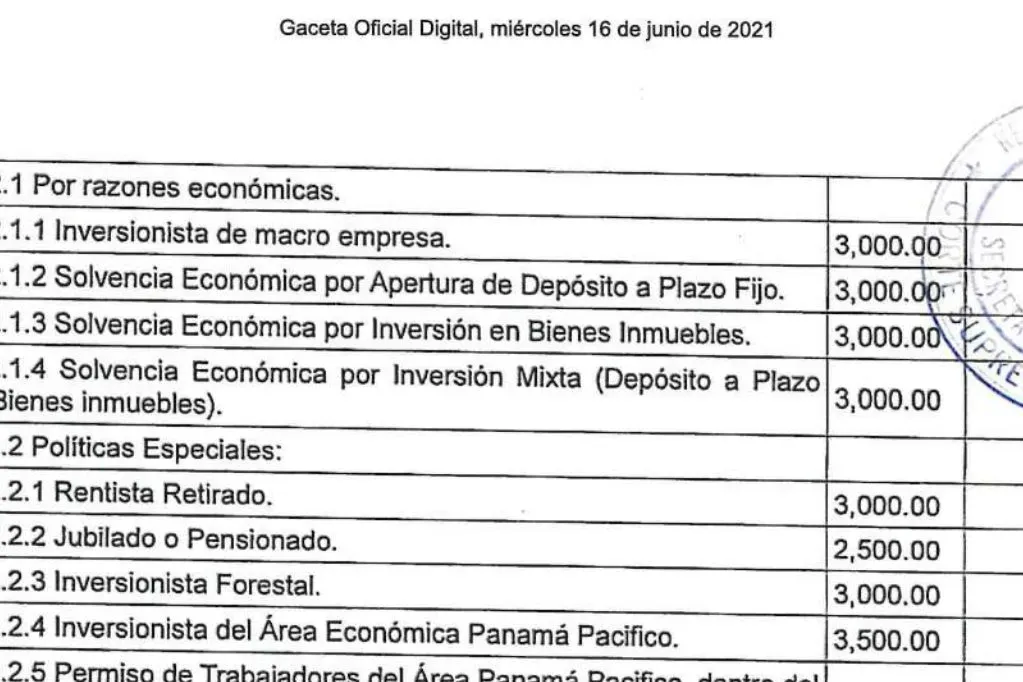
Immigration procedures represent the first major legal expense for most newcomers. The 2021 tariff sets clear, non-negotiable minimums for these services. These figures represent the attorney’s professional fee only and do not include government costs like application fees or mandatory deposits.
For the popular Pensionado Visa and the residency program for friendly nations citizens, the mandated minimum legal fee is $2,500. Applicants under the Qualified Investor Visa, often linked to minimum professional real estate investment, face a $3,000 minimum. Naturalization services start at $3,500. Adding dependents to an application typically costs an extra $1,500 per person in legal fees.
Real Estate Transaction Costs Are Percentage-Based
Legal fees for property transactions operate on a progressive scale tied directly to the asset’s value. This provides a measure of protection for buyers and sellers during a property closing. The structure is designed to reflect the complexity and risk associated with higher-value deals.
For properties valued between $30,001 and $2,000,000, the minimum fee for drafting the purchase-sale agreement is one percent of the transaction value. Conducting a separate title study or due diligence incurs additional costs. That fee is a minimum of $1,000 for properties under $250,000, not exceeding 0.85% of the value. For luxury properties exceeding $1,000,000, the rate drops to 0.65% with a firm minimum of $1,875.
“When an expat receives a quote that seems high, they aren’t necessarily being ‘gringo-taxed.’ The reality is far more structured,” the Panama City attorney added. [Translated from Spanish]
These regulated rates aim to prevent surprise overcharges. They also ensure attorneys are compensated adequately for the significant liability they assume when certifying property titles.
Why Legal Quotes Can Still Vary Widely
The tariff establishes only the legal floor, not a ceiling. Law firms frequently charge above the minimum based on several permissible factors. An attorney’s specific experience, the unique complexity of a case, and the economic importance of the matter all justify higher fees.
A senior partner at a prestigious firm will logically command more than a newly licensed attorney providing a basic service. The real danger for clients lies at the low end of the spectrum. A quote dramatically below the official government costs like minimum tariff violates the law and constitutes disloyalty to the national bar association.
Choosing a lawyer who openly disregards the fee schedule poses a serious risk. It suggests a willingness to cut corners that could extend to the handling of a client’s sensitive legal paperwork.
Consequences for Violating Professional Fee Rules
Enforcement of the tariff is taken seriously within Panama’s legal community. The Tribunal of Honor and Discipline handles complaints about fee violations. professional ethics codes authorize severe penalties for non-compliance.
Sanctions range from formal reprimands to the temporary or permanent suspension of a lawyer’s license. For an expatriate client, their attorney’s suspension can create immediate and severe problems. Legal processes can freeze indefinitely, potentially jeopardizing residency status or complicating a pending property transfer.
This regulatory environment makes vetting an attorney’s reputation essential. Clients should confirm their lawyer is in good standing with the national bar.
Asset Protection Services Also Have Set Minimums
Establishing Panamanian corporations or private foundations for wealth management follows the same regulated fee principles. Every locally registered entity must retain a licensed attorney as its resident agent. The law sets the minimum annual fee for this mandatory service at $250.
Drafting a basic power of attorney starts at $200. More complex estate planning, including wills, typically defaults to an hourly billing rate. The mandated minimum hourly rate for legal services in Panama is $150. These fixed costs provide a baseline for expatriates engaging in financial and legacy planning.
The structured fee system ultimately demystifies the cost of legal representation in Panama. It replaces rumors of a “Gringo Tax” with a transparent, court-mandated schedule. Savvy expatriates can use this knowledge to budget accurately and select representation that is both competent and compliant with national law. Understanding the tariff is the first step toward securing reliable legal services in the country.