


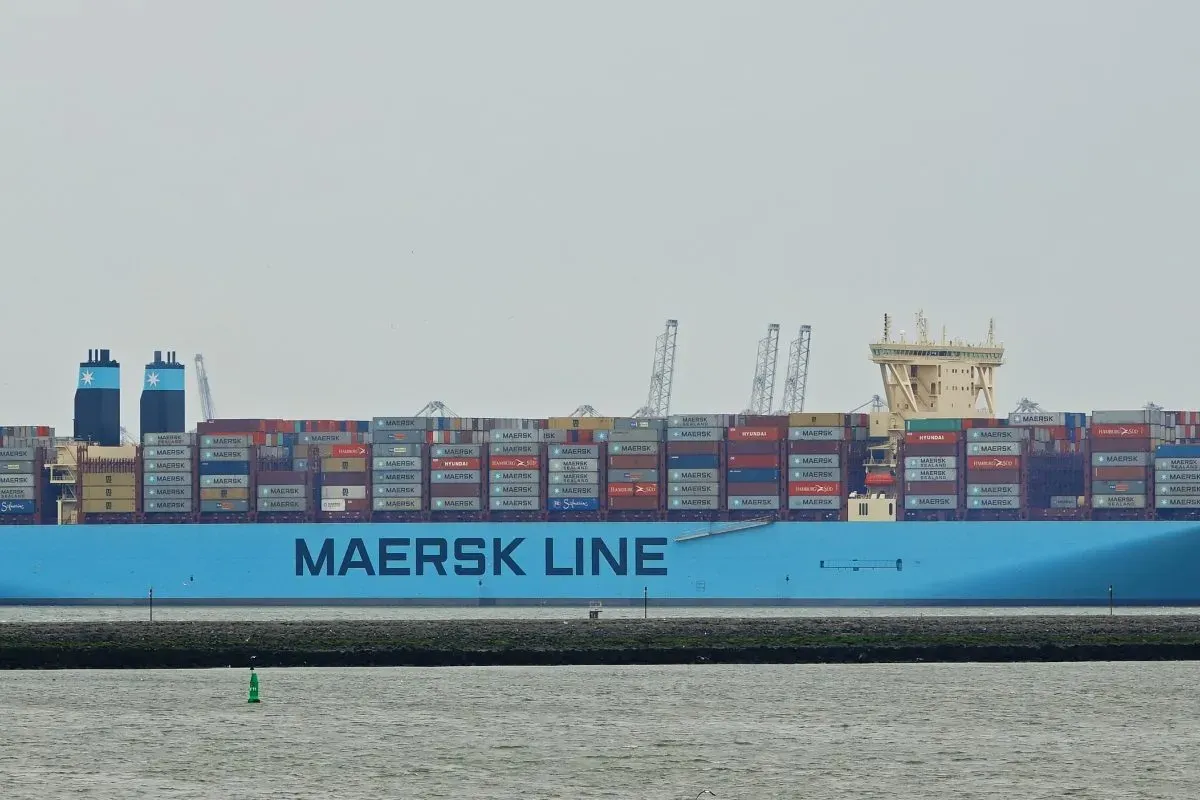
Panama Ports Company S.A. has filed for international arbitration against the global shipping giant Maersk. The legal action, announced this week, stems from a dispute over port terminal operations in Panama that were seized by the state earlier this year. PPC alleges Maersk breached a long-term exclusive contract and collaborated with the Panamanian government in a campaign to replace the company as port operator.
The company stated the arbitration proceedings will be seated in London. They are based on a contract that granted Maersk exclusive use of PPC’s port operations and access to strategic facilities and information. PPC contends Maersk undermined that agreement by aligning with the Republic of Panama after the state’s intervention.
In an official statement, PPC explained its position. The company claims Maersk’s actions facilitated the government’s move against it.
“Maersk failed to uphold its contractual commitments and instead supported actions that led to the unlawful takeover of our terminals,” a PPC spokesperson said. [Translated from Spanish]
The immediate impact centers on the future of the Port of Balboa’s container terminal. Panama’s government assumed control of PPC’s port operations on February 23, 2026. It later awarded a new concession for the Balboa terminal to an operator PPC alleges is affiliated with Maersk.
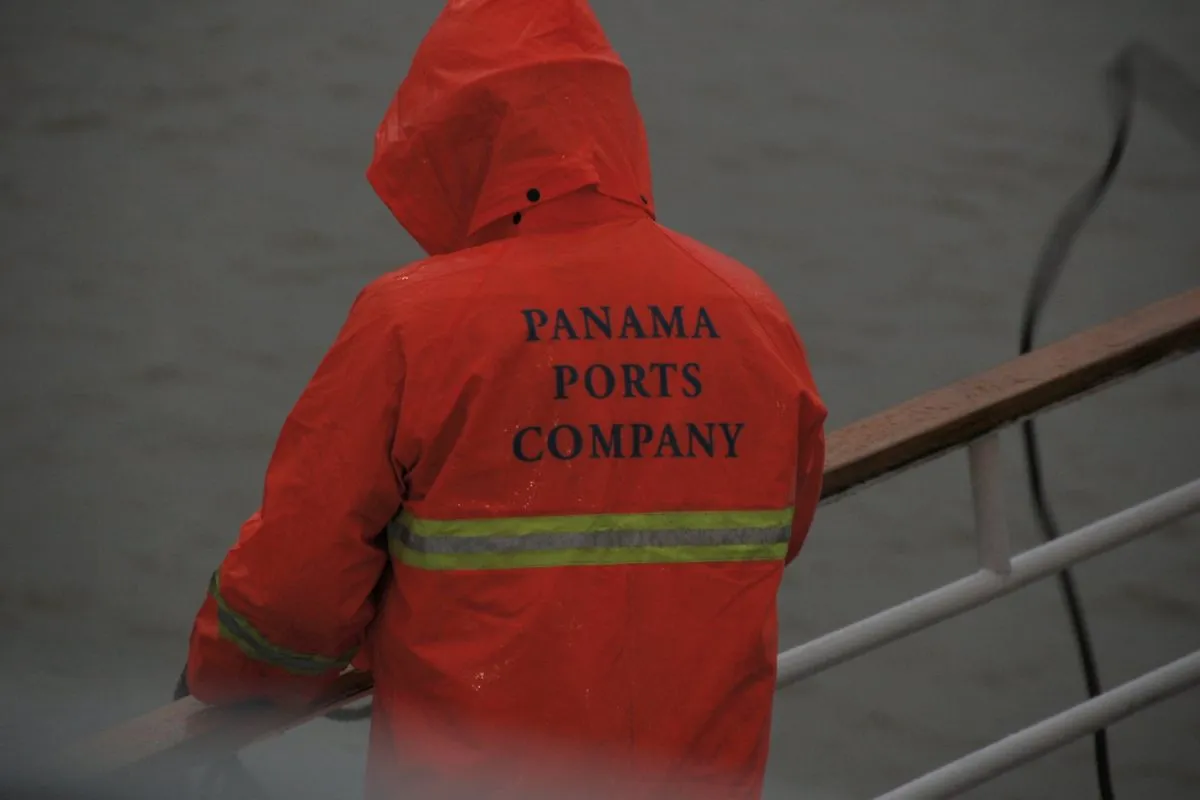
Legal Battle Follows Government Takeover of Port Assets
This new International Arbitration case is separate from other ongoing legal actions PPC is pursuing against the Panamanian state itself. The company seeks to hold the government accountable for alleged breaches of investment and operation contracts. PPC has vowed to defend its rights vigorously across all legal fronts.
According to PPC, the new Balboa terminal operator improperly utilized PPC’s proprietary infrastructure and data. This claim forms a core part of the grievance against Maersk. The dispute could have significant repercussions for Panama’s logistics sector and its reputation among international investors.
Panama’s strategic position as a maritime hub makes the outcome particularly consequential. The Panama Canal is a critical global trade route, and stable port operations are essential. This legal conflict introduces uncertainty for shipping lines and companies relying on Panamanian ports.
PPC’s broader struggle with the state includes claims of a targeted campaign to remove it. The recent dividend payments from the national ports company to government coffers highlight the financial stakes involved. Observers note the case against Maersk could set a precedent for how contractual disputes are handled when state intervention occurs.
Regional Port Operations Face Uncertainty
The arbitration filing marks a major escalation in a complex commercial and political standoff. Its resolution, likely taking years, will be closely watched by the global shipping industry. A ruling in PPC’s favor could complicate the new concession agreements made by the Panamanian government.
For now, operations at the contested terminals continue under new management. The long-term effect on efficiency and cost for shipping customers remains unclear. The case underscores the legal risks multinational corporations face when partnering with private entities in jurisdictions where state policies can shift abruptly.
PPC has signaled it will pursue all available legal avenues. This includes its separate actions contra Maersk and the state. The company’s determination suggests this dispute will remain a fixture in regional business news for the foreseeable future. The stability of panama ports is now a question for courts in multiple countries.