


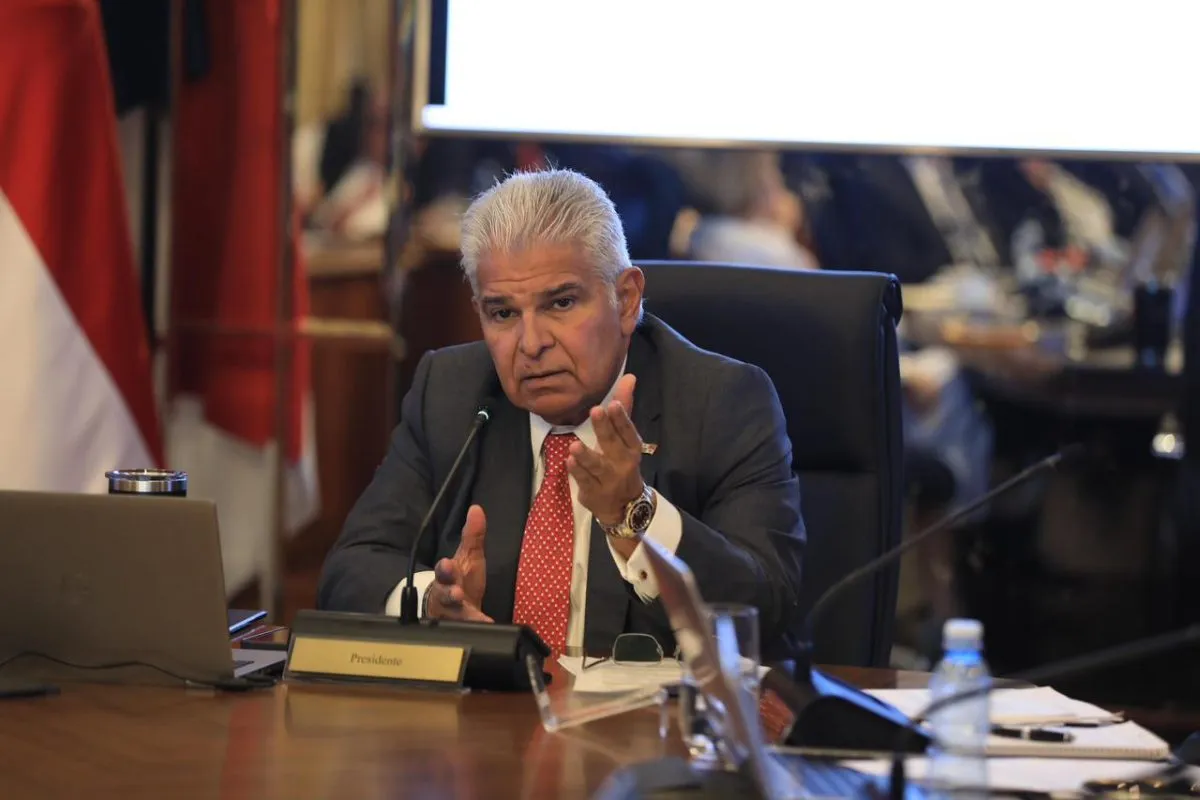
Panamanian President Jose Raul Mulino formally enacted a new law on Friday, March 20, 2026, establishing the nation’s first state-regulated paid internship program. The legislation, known as Law No. 513, aims to connect young people with formal work experience and combat high youth unemployment rates.
The program creates structured pathways for individuals aged 18 to 25, or younger with a high school diploma, to enter private companies or non-profits. Participants will receive a monthly stipend while gaining practical skills over a defined period.
Program Structure and Financial Support
Internships under the new law can last up to one year with work weeks not exceeding 40 hours. Each participant will receive a monthly economic support payment of $450. Government officials emphasize this payment is a non-wage subsidy, meaning it is not subject to income tax deductions or social security contributions.
The arrangement does not automatically create a formal employment relationship. It is designed as a transitional training opportunity. Companies must provide a safe learning environment, which includes securing professional risk insurance policies for all interns.
“This is a law that helps young people gain skills, experience, and better prepare for the labor market,” said Labor Minister Jackeline Munoz. [Translated from Spanish]
Supervision of the program falls to the Ministry of Labor and Labor Development (Panama). The ministry will establish confidential channels for interns to report any abuse, harassment, or non-compliance by participating organizations.
Safeguards Against Job Displacement
A core component of the law involves strict limits on how many interns a company can host. These quotas are intended to prevent businesses from using subsidized interns to replace permanent, formal positions. The rules scale based on company size.
Firms with up to 50 employees may accept a maximum of two interns. Companies with 50 to 100 workers can host up to four. Those with 100 to 200 employees are limited to six interns. Larger organizations with over 200 staff can bring in interns numbering up to three percent of their total payroll. Violations of these caps can result in fines ranging from $250 to $500.
This careful structuring addresses a common concern with internship schemes. The goal is to add entry points to the workforce without undermining existing jobs governed by the Labor Code of Panama.
Broader Economic Context and Goals
The program launches with an initial three-year mandate and is eligible for extension. Its primary objective is to reduce Panama’s persistent youth unemployment by providing hands-on training and a tangible connection to the formal private sector.
Officials view the law as a strategic tool to bridge the gap between education and employment. Many young Panamanians struggle to secure their first job due to a lack of practical experience, a barrier this program directly targets.
By creating a regulated, paid internship framework, the government also hopes to incentivize a shift from the large Informal economy toward formal employment. The experience and professional references gained could make interns more competitive for permanent roles once their training concludes.
Companies are encouraged, though not required, to consider interns for formal positions at the program’s end. Any such hiring would then be subject to standard labor laws and benefits. The program’s success will likely be measured by both participation rates and subsequent permanent hire conversion numbers in the coming years.