


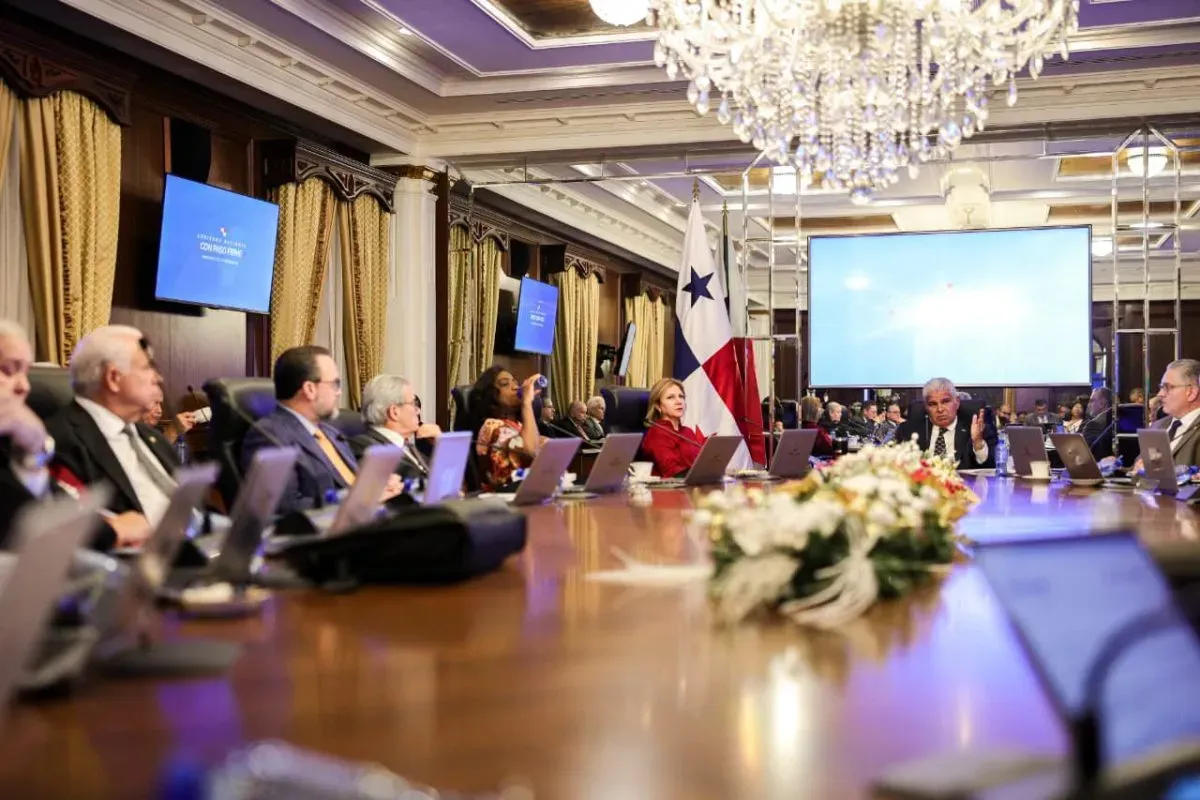
The Panamanian government officially revoked its economic countermeasures against Ecuador on Tuesday, December 16. This decisive action by the Cabinet of Panama follows Ecuador’s removal of the Central American nation from its discriminatory list of fiscal jurisdictions.
Authorities stated the retaliatory measures, originally imposed in response to Ecuador’s listing, are no longer necessary. The diplomatic and economic shift stems from a formal tax information exchange agreement signed by both countries on August 15.
A Bilateral Agreement Paves the Way
That August agreement established a framework for the automatic exchange of tax information. Its core purpose is preventing hidden income and strengthening institutional capacity to combat organized crime more effectively. Panama’s Foreign Ministry described the pact as a cornerstone for rebuilding trust and normalizing economic relations between the two nations.
President José Raúl Mulino of Panama and Ecuador’s President Daniel Noboa laid the groundwork for this resolution during a bilateral meeting last June. Their discussions in Guayaquil focused on reinforcing cooperation in key areas including energy, trade, and migration. A central shared goal was Panama’s exclusion from Ecuador’s list.
“The progress made by Panama in fiscal matters is significant. Recognitions from both the United States and the European Union allow Ecuador to facilitate Panama’s exit from our discriminatory list,” President Daniel Noboa stated at the time. [Translated from Spanish]
This diplomatic progress directly enabled Tuesday’s cabinet decision. The move is expected to immediately ease certain trade and financial transaction barriers that were tightened under the retorsion measures.
Closing a Chapter on Fiscal Blacklists
Ecuador first categorized Panama as a tax haven in 2008 under the administration of former President Rafael Correa. Panama’s presence on that list created persistent friction, affecting cross-border investment and diplomatic rapport for over a decade and a half.
Panama’s recent exit from Ecuador’s list marks the latest in a series of international vindications for its financial system. In recent years, the country has successfully petitioned for removal from other critical international watchlists. These include the European Union’s list of high-risk third countries for money laundering.
Perhaps most significantly, the Financial Action Task Force (FATF), the global money laundering and terrorist financing watchdog, removed Panama from its “grey list” in late 2023. That delisting followed a two-year action plan where Panama demonstrated strengthened safeguards against illicit finance.
Government officials argue these consecutive delistings reflect a sustained, transparent effort to align with international standards. They contend the nation’s financial services platform is now recognized as compliant and cooperative.
“Today’s decision confirms that dialogue and concrete commitments yield results. We are turning a page on a dispute that hindered our bilateral potential and are focusing on a future of shared growth and cooperation,” a senior Panamanian trade official commented, requesting anonymity ahead of an official statement. [Translated from Spanish]
The resolution of this fiscal dispute may also influence ongoing regional cooperation, particularly on shared challenges like security and migration. Panama remains a key transit country, and enhanced information-sharing protocols with neighbors are considered vital. This is especially true for combating transnational crime, a priority for both governments as seen in recent major seizures contra ecuador and other trafficking routes.
With the retaliatory measures now lifted, analysts expect a gradual increase in commercial and financial activity between Panama and Ecuador. The focus for both governments shifts to implementing the new tax agreement and exploring the enhanced economic partnership their presidents envisioned months ago.