


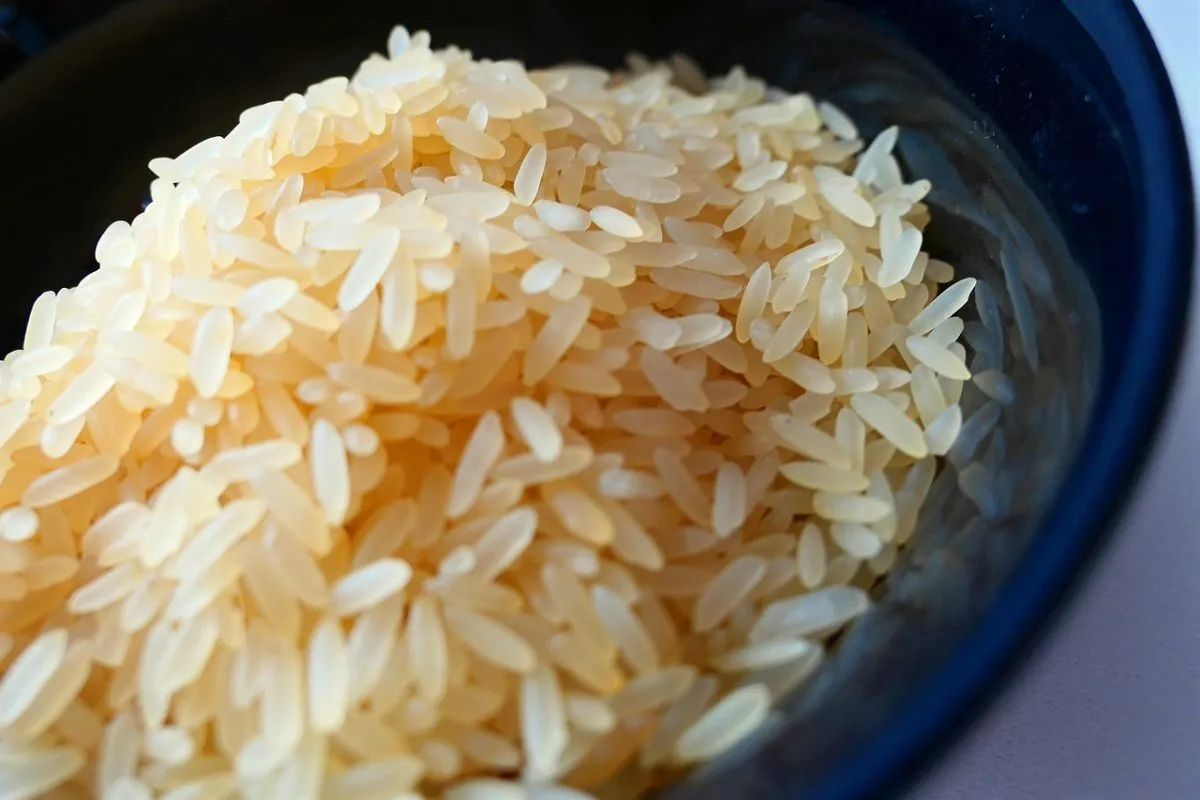
Panama’s Ministry of Agricultural Development forecasts a national rice harvest exceeding 10 million quintals for the upcoming agricultural year. The official estimates for the cycle running from May 1, 2025, to April 30, 2026, signal a significant increase from the previous year’s production, aiming to strengthen national food security.
This projected output would mark a notable rise from the 2024-2025 cycle, where production surpassed 9 million quintals and contributed over $249 million to the national economy. The new targets are based on planting and harvest projections compiled by the Ministry of Agricultural Development (Panama).
“The projections for the 2025-2026 agricultural year indicate that Panama will have a production of more than 10 million quintals of rice,” stated the ministry’s official estimates summary. [Translated from Spanish]
Nearly 6,016 producers across the country are expected to participate, cultivating more than 98,918 hectares of land. Regional breakdowns show Chiriquí maintaining its position as the nation’s leading rice-producing region with a forecast of over 2 million quintals.
Regional Production and Cultivation Methods
Coclé and Eastern Panama follow Chiriquí, each projected to contribute just over one million quintals. Other key regions include Los Santos (1,194,940 quintals), Veraguas (1,170,027 quintals), Herrera (493,759.3 quintals), and Western Panama (24,702.3 quintals). The national strategy relies on a mix of traditional and modern Rice cultivation systems to achieve its goal.
Rain-fed mechanized rice, which depends on seasonal precipitation without controlled irrigation, remains the most widespread method. It is projected to deliver 8,407,218 quintals from 83,609 hectares. Irrigated mechanized farming, known for higher productivity, is forecast to yield 1,452,826 quintals from a much smaller area of 11,018 hectares.
Technologically enhanced manual planting, a system incorporating certified seeds and optimized practices, is estimated to produce 377,573 quintals. Traditional manual planting, often used by smaller-scale farmers, is projected to yield 124,614 quintals. A marginal contribution of roughly 172 quintals is expected from rice grown in flooded, muddy fields.
Panama’s average monthly consumption sits at 719,000 quintals of clean, dry rice. This equates to an annual consumption of approximately 8.6 million quintals, a figure the projected harvest would comfortably exceed. The quintal, a Quintal (unit of mass) commonly used in agriculture, is equivalent to 100 kilograms or about 220 pounds.
Meeting these production estimates would provide a substantial buffer for national supply. It also represents a continued economic boost for thousands of farming families and associated industries. The success of the cycle will depend heavily on climatic conditions and the effective deployment of agricultural support programs.
Officials view the positive forecast as a result of sustained planning and sector investment. The data provides a roadmap for resource allocation and support services throughout the planting and harvest seasons. Final yields will be confirmed after the cycle concludes in late April 2026.