


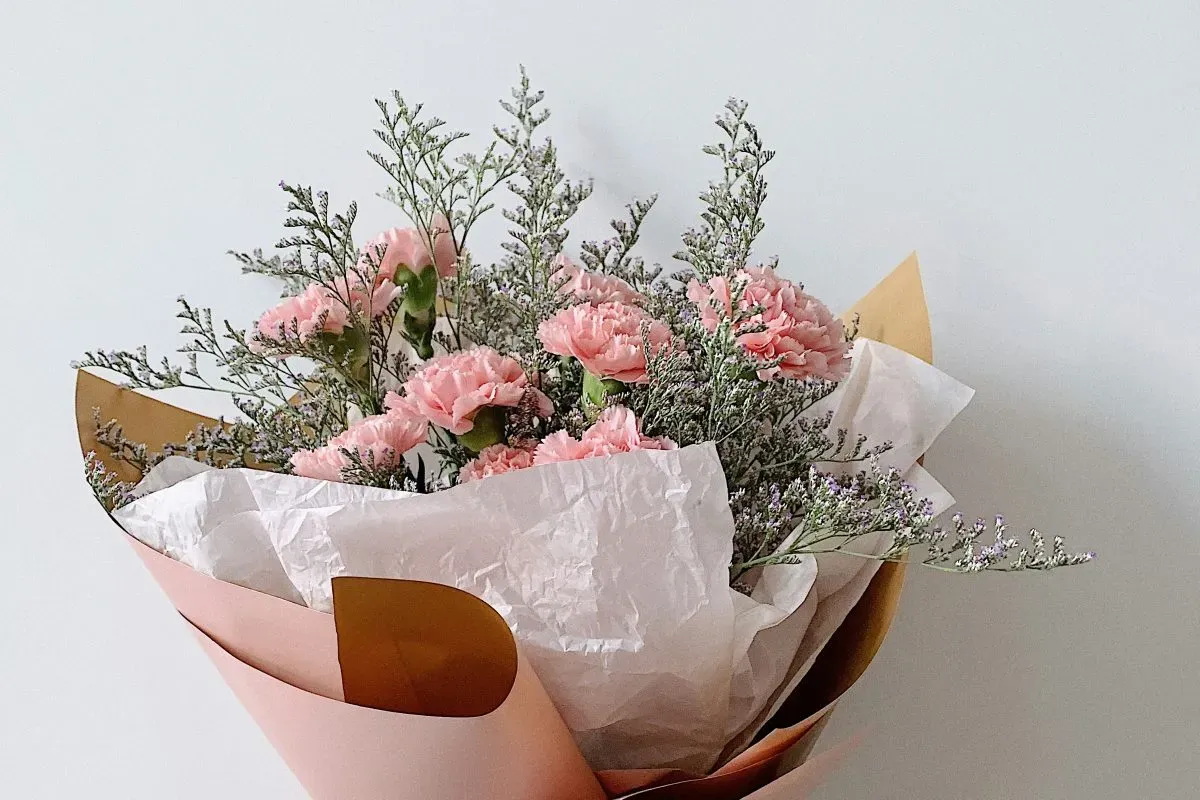
Panama’s Ministry of Agricultural Development is conducting rigorous inspections on imported flowers. The heightened agricultural quarantine measures come less than 96 hours before the nation’s Mother’s Day celebration this Sunday. Officials are focusing on cargo entering through Tocumen International Airport to meet a surge in national demand.
The Executive Directorate of Agricultural Quarantine, a division of the ministry, leads the operation. Its specialized laboratory analyzes flower and foliage samples for harmful pests. From November 1 to 30 alone, the lab received and processed 795 samples from imported floral products.
Scientific Safeguards Against Pests
Each shipment undergoes a mandatory entomological analysis. This scientific study ensures plant materials enter Panama free of insects or diseases that could threaten local agriculture. Inspections primarily target cut flowers and foliage, most of which originate from Colombia and Ecuador.
Those two countries supply the majority of Panama’s floral market. Popular imported varieties include roses, carnations, chrysanthemums, calla lilies, hydrangeas, sunflowers, and gypsophila. A wide range of decorative foliage also passes through the inspection process.
“Our quarantine team is working tirelessly to facilitate trade while protecting our phytosanitary status,” said a spokesperson for the Ministry of Agricultural Development (Panama). [Translated from Spanish]
Approximately twenty import companies manage the floral trade into Panama. Their activity spikes dramatically during seasonal holidays, creating a predictable rush. Mother’s Day, celebrated on December 8 in Panama, represents one of the year’s peak periods for flower sales.
Balancing Demand with Biosecurity
The ministry confirmed import records for flowers and foliage have increased this month. Official statistics for December remain in the consolidation phase, however. The pre-holiday inspection surge is a standard procedural response to higher import volumes.
Quarantine agents must balance speed with thoroughness. Their goal is to prevent delays for consumers and businesses without compromising biosecurity. Any shipment found to contain pests or non-compliant materials is subject to treatment or rejection.
“Every sample that enters the laboratory is handled with strict scientific protocol. We are the first line of defense for our country’s agricultural health,” the ministry spokesperson added. [Translated from Spanish]
This systematic approach aims to safeguard Panama’s farming sector. Invasive species introduced through imported goods can devastate local crops and ecosystems. The quarantine directorate’s work provides a critical barrier against such economic and environmental threats.
Panamanians traditionally honor mothers with elaborate floral arrangements. The sustained demand makes flowers a consistent import commodity throughout the year. Seasonal peaks simply make the quarantine team’s role more visible to the public.
Inspections will continue at elevated levels through the weekend. The Ministry of Agricultural Development (Panama) expects normal operational tempo to resume early next week. Officials report full cooperation from importers during this busy period.