


Panamanian exports grew 3.1 percent in the first ten months of 2025, reaching $835 million, but industry leaders warn a hidden price war is eroding profits. The head of the Panamanian Exporters Association (APEX) told La Prensa that new tariffs from the United States are causing international buyers to slash what they pay for Panama‘s goods. This secondary “rebound effect” compounds direct losses from higher U.S. duties on products like fish and bananas.
Official data confirms a sharp 30 percent drop in the value of Panamanian exports to the United States this year. While overall export volume appears positive, the figures mask a critical struggle where exporters are forced to accept lower prices to keep their products competitive abroad. This dynamic threatens the sustainability of growth for a key sector of the national economy.
APEX President Bianca Morán explained the complex chain reaction. Buyers in countries also hit by U.S. tariffs are now demanding discounts from Panamanian suppliers. They aim to offset their own new costs before shipping goods onward to the American market. “Purchasers are reducing the price they previously paid for Panamanian exports in an attempt to lessen the impact of the tariffs imposed by the United States,” Morán stated. [Translated from Spanish]
The immediate impact is a direct hit to exporter profitability. Some companies are absorbing the cuts, while others are comparing costs and potentially scaling back operations. This price pressure arrives alongside well-documented bureaucratic hurdles within Panama, creating a perfect storm that could stifle future expansion.
Key Markets Show Declines Amid Global Trade Shifts
Trade intelligence figures reveal where the losses are concentrated. Exports to India, primarily unprocessed teak wood, fell by $8.8 million through October compared to 2024. Shipments to Germany dropped by $3 million. The United States remains the top destination but with a stark decline, falling from $154.9 million last year to $128.1 million in the same period for 2025.
Eric Dormoi, National Director of Export Promotion at the Ministry of Commerce and Industries (MICI), confirmed the trend. He identified specific products bearing the brunt of the U.S. tariff increase. “The most affected products have been fish, bananas, coffee, pumpkins, rum, and papayas,” Dormoi said. [Translated from Spanish] He noted a 45 percent drop in cane sugar exports, though he attributed part of that fluctuation to the product’s quota system with the U.S.
“It has been a year of many challenges. While it is true that exports will close higher compared to last year, we have faced numerous problems throughout 2025 and we believe that, from now on, every year will be challenging under current conditions. We have wars in different regions and a trade war between China and the United States, the consequences of which we must face.”
Morán offered that quote, framing the situation within a tense global trade landscape. [Translated from Spanish] Of Panama’s top ten export destinations, four showed negative results through October. The Netherlands led the declines with a drop of $49.2 million.
The Hidden Mechanism of the Price Squeeze
The “rebound effect” operates through global supply chains. A German importer, for instance, buying Panamanian shrimp for eventual sale in the U.S. now faces a higher tariff when entering the American market. To maintain their margin, that importer pressures the Panamanian exporter for a lower purchase price. The financial impact of the U.S. policy thus transfers backward onto the original producer.
This phenomenon is distinct from the direct tariff Panamanian goods face when entering the United States. It represents a secondary, less visible form of economic pressure. Morán cited Vietnam as a clear example, where prices for raw materials like wood have decreased by 30 percent for Panamanian sellers. The situation has significantly affected producers of unprocessed teak, which constitutes 98 percent of the country’s timber exports.
Not all markets are applying this pressure. Morán noted that buyers in Taiwan have largely respected established prices for Panamanian goods, particularly frozen shrimp. This has occurred despite the absence of formal diplomatic relations. Exports to Taiwan reached $102.2 million through October, representing a major increase. Other growing markets include China, Costa Rica, Cuba, and Spain, helping to offset losses elsewhere.
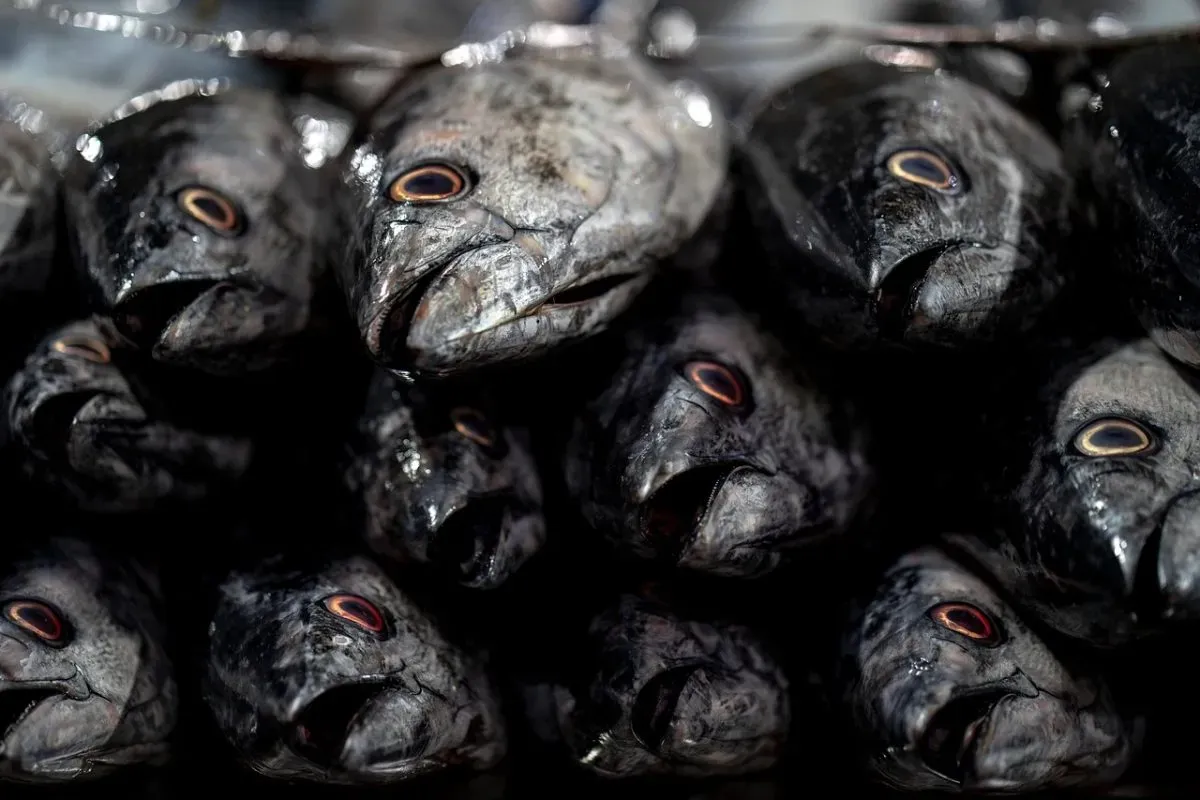
The seafood sector has been among the hardest hit by the combined forces of direct tariffs and price reductions. Some exporters have reluctantly adjusted their prices, cutting deeply into their profit margins to preserve relationships and market share. Others are exploring new logistical and commercial options to bypass the added costs.
Legal Protections Erode for Key Products
The issue extends beyond simple price negotiation for some commodities. Morán highlighted the case of sugar, which is exported to the U.S. under a quota system established by the Trade Promotion Agreement (TPC). She argued the agreement’s framework provided legal security by contemplating a set price. That security has now eroded.
“This no longer happens, because adding the 10 percent tariff directly affects the profit margin of national producers,” Morán explained. [Translated from Spanish] The change transforms a predictable, rules-based arrangement into a more volatile commercial calculation. It introduces uncertainty for agricultural planners and investors who depend on stable returns from major export programs.
This erosion of predictable trade terms worries officials and business leaders alike. They see it as a weakening of the structured trade agreements that have long facilitated cross-border commerce. The new environment demands greater agility and resilience from exporters who must now navigate both market forces and shifting policy landscapes.
National authorities are monitoring the situation closely. Data from MICI’s Commercial Intelligence Office (Intelcom) forms the basis for the government’s assessment. Agencies like the United States International Trade Commission also play a role in shaping the policies creating these ripple effects. Their decisions on tariffs and trade remedies directly influence global purchasing behavior.
Navigating an Uncertain Future for Exports
The coming year presents a formidable outlook for Panamanian exporters. Industry representatives believe the challenges seen in 2025 are not an anomaly but a new baseline. Ongoing geopolitical tensions and major power trade disputes, particularly between the U.S. and China, create a persistently unstable backdrop for international trade.
Success now depends on diversification and adaptation. The growth in exports to alternative markets like Taiwan and China demonstrates a potential path forward. Building stronger trade relationships outside traditional corridors could mitigate overreliance on any single, policy-sensitive destination. Exporters are being pushed to innovate, find new buyers, and add value to their products to justify prices that maintain profitability.
Internal bureaucratic hurdles remain a significant concern. Industry advocates continue to call for streamlined processes and more supportive domestic policies to enhance competitiveness. The combination of external price pressure and internal friction creates a dual burden that complicates recovery and growth.
Panama’s export sector is at a crossroads. The positive headline growth figure for 2025 tells only part of the story. Beneath it lies a struggle for margins and market stability, driven by tariff policies that reverberate through global networks. How exporters and the government respond to this price squeeze will define the sector’s health for years to come.