


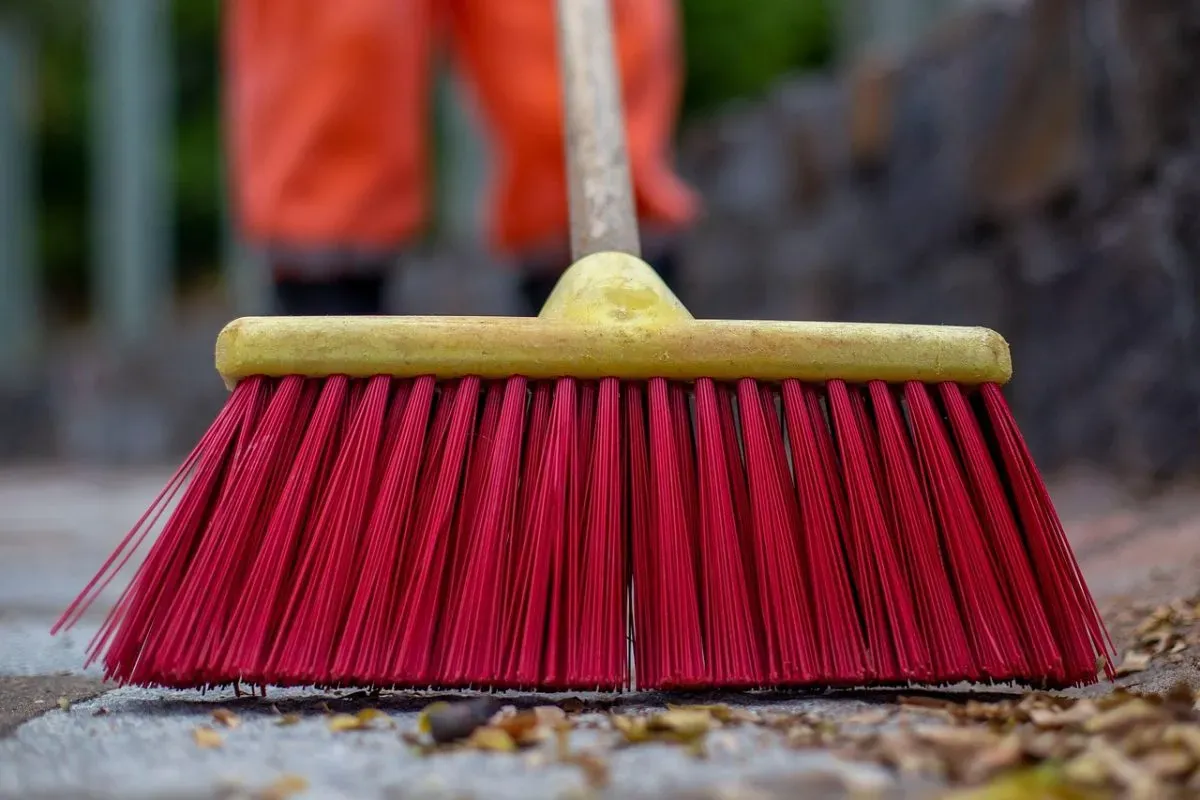
A group of incarcerated women from Panama’s main female prison traded their uniforms for brooms this week. They are cleaning streets in a district of the capital overwhelmed by months of accumulated garbage, a visible symptom of a national waste management collapse. The government initiative offers sentence reductions while confronting a public health emergency that has become deeply politicized.
Seventy women from the Centro Penitenciario Femenino volunteered for the work detail in the San Miguelito District. They joined 25 incarcerated men and a fleet of government trucks and excavators. This emergency response began on January 19 after the private company that held the district’s 25-year collection concession exited the contract.
Officials described a district on the brink. “We found a district about to collapse, immersed in waste accumulated for months,” said Ovil Moreno, administrator of the National Sanitation Authority. He spoke to reporters from the cleanup site.
“We are starting a plan to eliminate those open-air dumps, which have very poor disposal, because that waste goes to the seas and pollutes.” [Translated from Spanish]
In just one day of intensified operations, crews removed 300 tons of waste from San Miguelito. The district crams approximately 280,000 residents into 50 square kilometers. The sheer volume highlights a systemic national failure. Panama, a nation of 4.2 million people, generates 4,372 tons of solid waste daily. Official data shows only 57.8 percent gets collected. The remainder, roughly 2,500 tons each day, ends up in rivers, oceans, or illegal dumps.
A National Problem with Local Consequences
The crisis extends far beyond one neighborhood. Collected waste in Panama typically goes to one of the country’s 60 open-air landfills. The largest is Cerro Patacón, which receives the capital’s trash. An Indigenous community lives in the shadow of this massive open-air landfill. Residents there suffer from toxic liquid leachate and inhale smoke from frequent fires, with documented health impacts.
Panama ranks among Latin America’s highest per-capita waste generators. Its recycling system remains severely limited. The Ministry of Environment estimates less than 10 percent of waste gets reused. The causes are familiar, officials say. Poor infrastructure, minimal separation at the source, and limited environmental awareness create a perfect storm.
For the incarcerated women cleaning San Miguelito, the work offers a rare reprieve. It marks the first time outside prison walls in years for some. They earn a one-day sentence reduction for every two days worked. “We have encountered too much garbage,” said inmate Otis Puertas. “We are here to support and so we can see a cleaner and better place. I ask the community of San Miguelito to please be conscious. We need to keep the place where we live cleaner to enjoy good health.” [Translated from Spanish]
A Politicized Garbage Battle
The waste crisis has ignited a political feud between national and municipal authorities. The national government assumed direct control in San Miguelito after the contractor left. This move happened despite the local mayor’s office having its own plan for addressing the crisis. The clash exemplifies a broader struggle over control, funding, and blame.
Politicians, community leaders, and environmentalists agree the issue has become overly politicized. Even famed Panamanian singer-songwriter Rubén Blades commented on his personal blog. “Now I see the mess that has formed due to the poor, deficient, or non-existent garbage collection in San Miguelito,” he wrote. He noted how the topic has been “politicized,” a euphemism he suggested replaces “who gets to keep the proceeds.” [Translated from Spanish]
While officials debate jurisdictional authority, the cleanup crews work. They navigate broken glass, spilled trash bags, and crows circling small mounds of waste at every corner. The incarcerated women sing on the bus ride to the worksites, imagining life after freedom. Their temporary labor provides a stark visual for a problem years in the making. The government’s broader plan of shuttering open dumps remains in its earliest stages.
The immediate goal is clearing the streets of San Miguelito. The long-term challenge is overhauling a broken national system. Each filled garbage truck represents a temporary fix. Lasting solutions, experts argue, require investment, public cooperation, and depoliticized management. For now, the sweep of a broom offers a fleeting glimpse of order.