


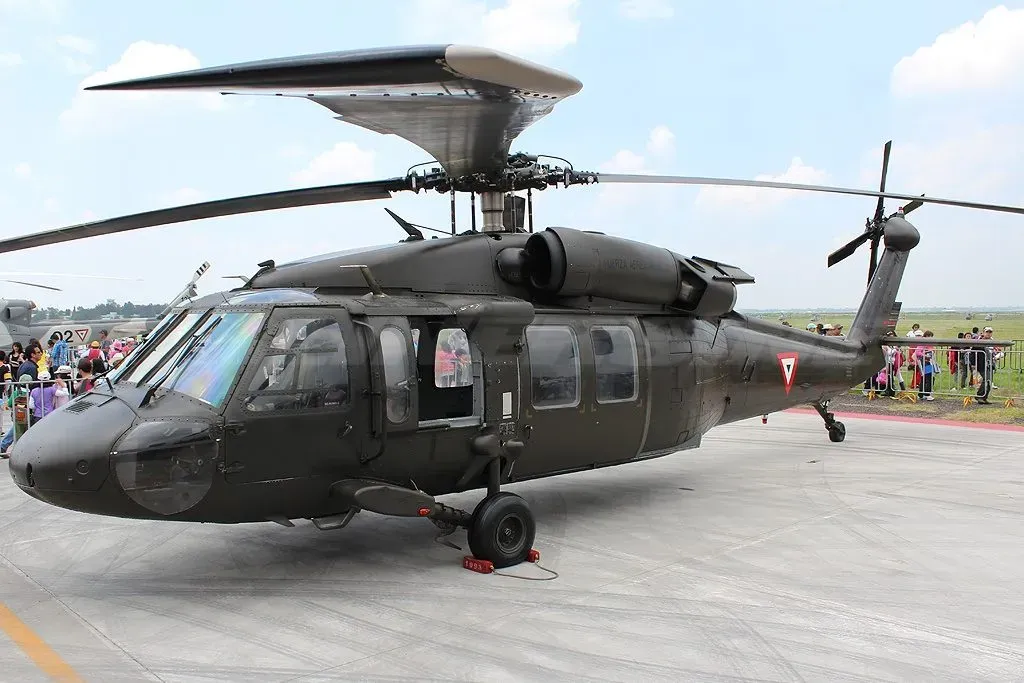
Four United States military Black Hawk helicopters landed in Panama on Monday, January 26. The aircraft will support a month-long series of joint training exercises with Panamanian security forces aimed at improving operational coordination.
The helicopters, two HH-60 and two UH-60 models, arrived from the United States Joint Task Force Bravo based in Honduras. Panama’s National Aeronaval Service (Servicio Nacional Aeronaval, or Senan) confirmed the deployment. Training is scheduled to continue through February 26 at two major Panamanian bases.
Enhancing Joint Operational Capacity
These drills will involve 61 specialized Panamanian units and 50 United States Marines. Participants include personnel from Senan, the National Police, and the National Border Service (Servicio Nacional de Fronteras, Senafront). The exercises are designed to strengthen technical, tactical, and operational capabilities for a range of potential scenarios.
Officials state a core goal is improving interoperability between the forces. This kind of joint training allows for smoother coordination during real-world operations, from disaster response to security missions. The program directly complements larger regional exercises like Panamax, which focus on protecting critical infrastructure.
“All training will be conducted with strict respect for national sovereignty,” the Senan said in its statement. The agency reaffirmed Panama’s commitment to international cooperation and strengthening state security capacities. [Translated from Spanish]
Training activities are concentrated at the Admiral Cristóbal Colón Aeronaval Base and the Captain of Frigate Noel Antonio Rodríguez Justavino Naval Base. The extended presence of U.S. military assets and personnel underscores the ongoing defense relationship between the two nations.
Focus on Strategic Infrastructure Security
A significant context for these drills is the protection of the Panama Canal. The vital waterway represents a cornerstone of global trade and Panama’s economy. Exercises like these ensure that Panamanian forces, alongside international partners, can effectively respond to diverse threats against such strategic assets.
The deployment follows other recent security operations. Panama’s servicio nacional agencies frequently collaborate on border security and regional stability efforts. The use of aerial assets is a key component of these missions, as seen when a black hawk was previously used in a medical evacuation near the border.
For the next several weeks, the focus will remain on shared procedures and enhanced readiness. The arrival of the helicopters marks a tangible step in this annual cooperative effort, one that both governments frame as essential for regional security and operational effectiveness.