


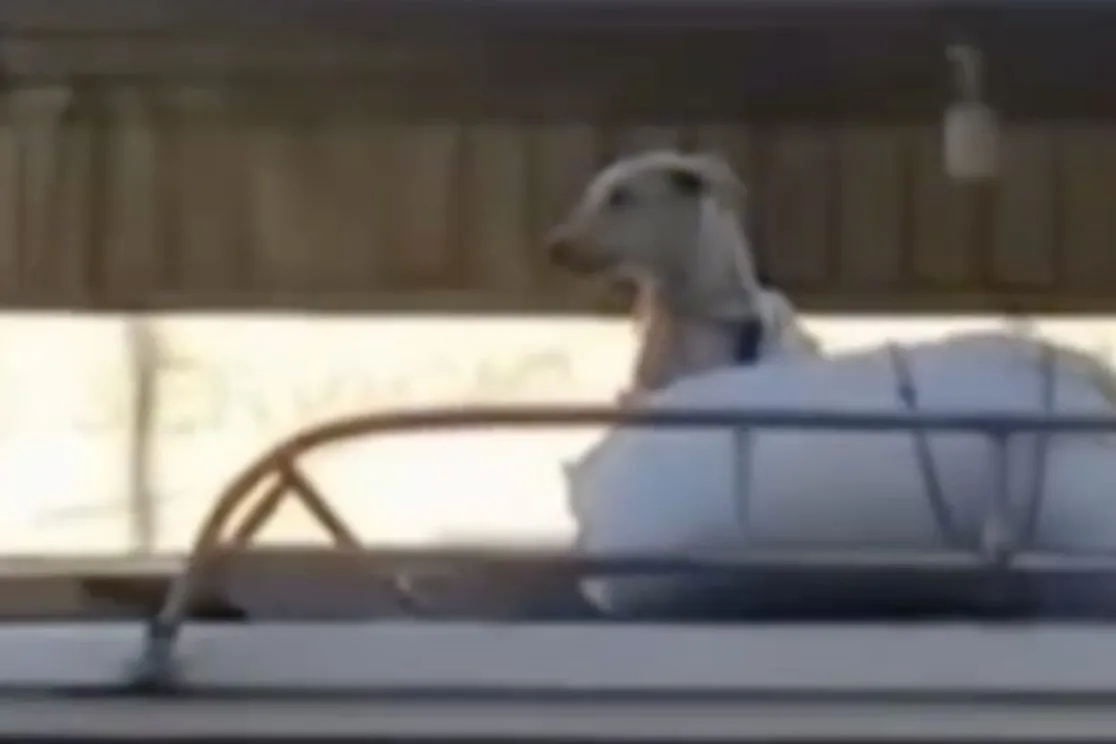
A video showing a dog being transported on the roof of a passenger bus has ignited widespread public anger in Panama. The footage, which circulated rapidly on social media this week, depicts the animal perched alongside passenger luggage during a journey through the country’s interior.
In the video, the dog appears calm. Its safety during the trip remains unclear, as it is not visible whether the animal was secured to the vehicle’s roof rail. This incident has highlighted ongoing concerns about the treatment of domestic animals during transport in some regions.
Animal Advocates Condemn Dangerous Practice
Local animal welfare organizations quickly responded to the viral video. They condemned the practice as extremely dangerous and called for immediate action from both pet owners and transport operators. Experts say transporting an animal in this manner exposes it to severe risk of injury or death from falls, extreme weather, or debris.
This type of action represents a serious risk to the physical integrity of pets. We urgently call on owners and transporters to avoid these methods and seek safe alternatives for animal transfer. [Translated from Spanish]
The groups emphasized that responsible pet ownership includes ensuring safe transportation. They pointed to existing norms and growing societal expectations regarding animal welfare.
Panamanian authorities had not issued an official statement regarding this specific case at the time of reporting. The lack of immediate commentary from officials fueled further discussion online about enforcement of animal protection laws.
Public Reaction and Calls for Accountability
Social media users expressed shock and frustration. Many commenters demanded accountability for the driver and the dog’s owner. The video’s circulation has sparked a broader debate about cultural attitudes toward animals and the need for continued public education.
This is not an isolated complaint, according to residents. Some social media users allege that transporting animals on vehicle roofs still occurs in certain parts of the country’s interior provinces. They describe it as an outdated and hazardous practice that must end.
The public outcry places new pressure on transport companies to establish clear policies. It also urges pet owners to make safety a non-negotiable priority when traveling with their animals. The incident serves as a stark reminder of the shared responsibility for animal well-being.
Finding a safe solution is not difficult. Alternatives like proper carriers inside vehicles exist. Making better choices protects vulnerable animals and reflects a more modern, compassionate society.