


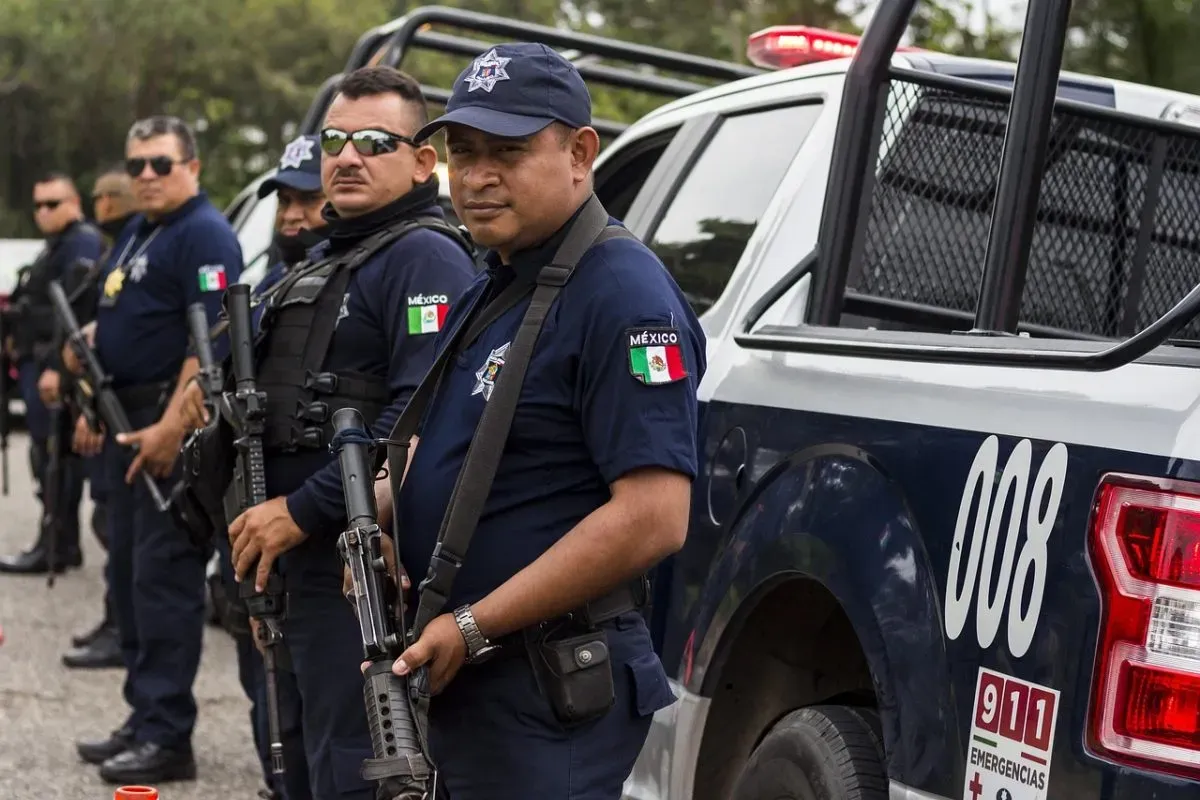
Panamanian authorities arrested the legal representative of a construction company on Monday as part of a widening investigation into a multi million dollar public health project. The National Council for Sustainable Development (Conades) basic sanitation program is now at the center of a major corruption probe involving at least thirteen people.
The Anti Corruption Prosecutor’s Office and the Judicial Investigation Directorate carried out the operation in the Brisas del Golf area of San Miguelito. Officials detained the representative of Inversiones Herabel S.A. on suspicion of embezzlement. They allege the company failed to complete a contract for 470 sanitary units in the Pocrí district of Aguadulce, causing a patrimonial loss of $309,532 to the state.
Investigation Uncovers Unfinished Projects
This arrest represents the latest development in a case that has ensnared former Conades executive secretary Manuel Soriano. Prosecutors say the investigation, focusing on activities between 2014 and 2019, reveals a pattern of incomplete work and advanced payments for public health infrastructure. The Basic Sanitation Program was a flagship campaign promise of former President Juan Carlos Varela, aiming to deliver 300,000 sanitary units nationwide.
Project records show the initiative fell significantly short of its goal. Only about 215,000 units were ever completed. Conades was responsible for managing the construction of approximately 85,000 bathrooms with an estimated investment of $238 million. The Ministry of Housing and Land Management was tasked with the remainder.
“In conjunction with the Public Ministry, we apprehended a woman who appears as the legal representative of a company, allegedly linked to the crime against public administration, in its modality of peculation, related to the Basic Sanitation Program case.” [Translated from Spanish]
The National Police posted that official statement on the social media platform X following the arrest. Prosecutors have executed several search warrants across the country related to the Conades program. Their central claim is straightforward. Companies received large upfront payments for projects in economically disadvantaged communities but consistently failed to finish the work.
A Pattern of Systemic Failure
For the specific contract tied to this arrest, Inversiones Herabel S.A. secured a deal to install hundreds of sanitary units in Coclé Province. Evidence gathered by the Anti Corruption Prosecutor’s Office indicates the company did not execute the totality of the required work. This alleged failure directly harmed the Conades agency and, by extension, the communities awaiting improved sanitation.
The case underscores persistent challenges in Panama’s public contracting system. It is not an isolated incident. The broader probe suggests systemic issues where oversight mechanisms failed to ensure project completion before disbursing funds. The financial injury to the state is clear, but the human cost is measured in communities lacking promised basic infrastructure.
Thirteen individuals now face formal charges. All are implicated in the alleged non compliance of projects under the Conades basic health program. This group includes the agency’s former director, highlighting the investigation’s reach into upper management levels. The arrest in Brisas del Golf resulted from specific efforts to locate the legal representative after initial charges were filed.
Panama’s judicial authorities continue to pursue this and related corruption cases. The arrest signals an ongoing commitment to investigating alleged malfeasance in past administrations. Public frustration with corruption scandals has been a recurring theme in national politics, putting pressure on law enforcement to deliver results. This operation, led by specialized anti corruption units, aims to provide those results.
Further legal proceedings will determine the guilt or innocence of those accused. The Anti Corruption Prosecutor’s Office must now present its compiled evidence before a court. This case, like the recent multi agency crackdown that led to other arrests including a suspect named Juan Manuel, tests the government’s ability to handle complex financial crimes. The outcome will be watched closely by both international observers and a domestic public weary of corruption.