


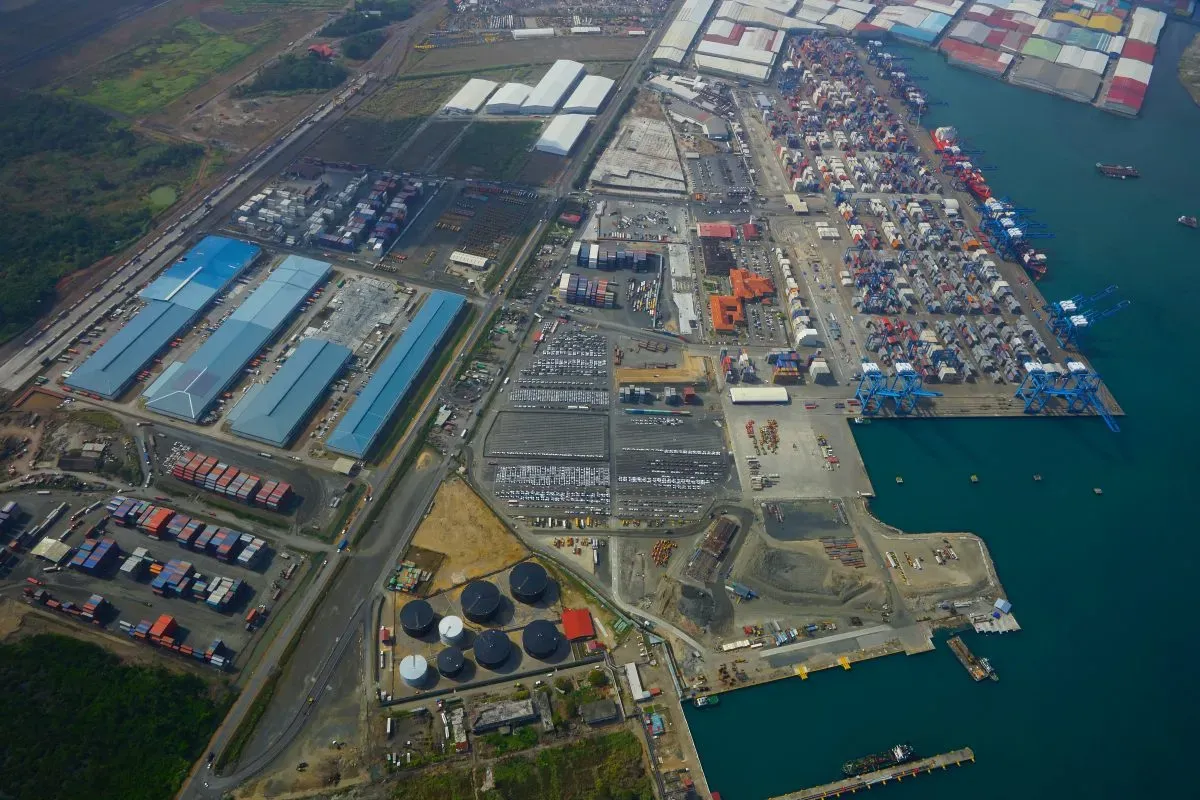
Panamanian security forces intercepted over three metric tons of cocaine concealed inside a shipping container at a port in Colón province. The National Aeronaval Service (Panama) and the National Police made the discovery during a routine inspection on December 14, 2025.
Officials stated the narcotics were found stashed within a container that arrived from Ecuador. Its documented route included a planned transshipment in Belgium before a final destination in Sweden.
Dual Port Seizures Highlight Transit Route Pressure
This massive seizure was not an isolated event. Just one day prior, National Police agents located an additional 150 kilograms of cocaine in a separate container at a port in Panama City. That shipment had originated in Chile and was bound for Australia. Authorities initiated a search after noticing tampering with one of the container’s security seals.
Together, the two operations netted approximately 3,150 kilograms of illicit substances in under 48 hours. The back-to-back discoveries underscore the intense pressure Panama faces as a major global logistics hub exploited by traffickers.
“The drug was located during an inspection shift with dogs trained to detect narcotics,” a Senan spokesperson confirmed. [Translated from Spanish]
The servicio nacional aeronaval has now transferred the case to the specialized Drug Prosecution Unit. Prosecutors are working to determine a critical detail. They must investigate whether the three-ton shipment was loaded at its point of origin in Ecuador or if the container was compromised while transiting Panamanian territory.
Record Year for Drug Interdictions in Panama
These port seizures contribute to a staggering annual total. Security agencies have confiscated roughly 98 tons of drugs so far in 2025. Operations have spanned maritime interdictions, port inspections, and raids on storage houses. The figure highlights an aggressive counter-narcotics campaign targeting Panama’s role in global supply chains.
Law enforcement has also focused on dismantling the criminal networks behind the shipments. This year saw two major trafficking rings taken down. One group operated inside the Tocumen International Airport, leading to charges against 60 individuals in operations dubbed Eros and Hummingbird. Another network based in Arraiján was broken up in Operation Wet Nurse, resulting in nine arrests.
The container seized in Colón was destined for the Antwerp port in Belgium. Its ultimate endpoint was the Swedish port of Helsingborg. This sophisticated routing through multiple continents is typical of international cartels attempting to obscure a shipment’s origin. The use of major commercial ports like the Port of Colón is a calculated risk, relying on the sheer volume of cargo to evade detection.
Panama’s geographic position makes its ports irresistible to traffickers. The nation serves as a primary chokepoint for cargo moving between the Pacific and Atlantic oceans. While this brings economic benefit, it also attracts criminal activity. The government’s strategy involves layered inspections combining intelligence, technology, and canine units. Success depends on inter-agency coordination between entities like the Nacional Aeronaval and the police.
Prosecutors face a complex task. Determining where the drugs entered the container chain is essential for assigning legal responsibility and guiding international cooperation. If the contamination occurred in Ecuador, it would involve authorities in that country. A breach in Panama would point to local complicity or security vulnerabilities. The investigation will likely review shipping manifests, seal records, and surveillance footage from multiple ports.
These seizures deliver a significant financial blow to the involved criminal organizations. Three tons of cocaine represents a street value in the hundreds of millions of dollars. Intercepting the shipment also prevents the social harm the drugs would have caused in European communities. For Panamanian authorities, each successful operation is a data point. It helps map trafficking patterns and refine their interdiction methods.
The work continues around the clock. As one official noted, the criminal networks are adaptive and relentless. Panama’s Servicio Nacional and police forces must be equally persistent. The weekend’s massive haul proves their vigilance can yield monumental results, even as they prepare for the next attempt to pass through the isthmus.