


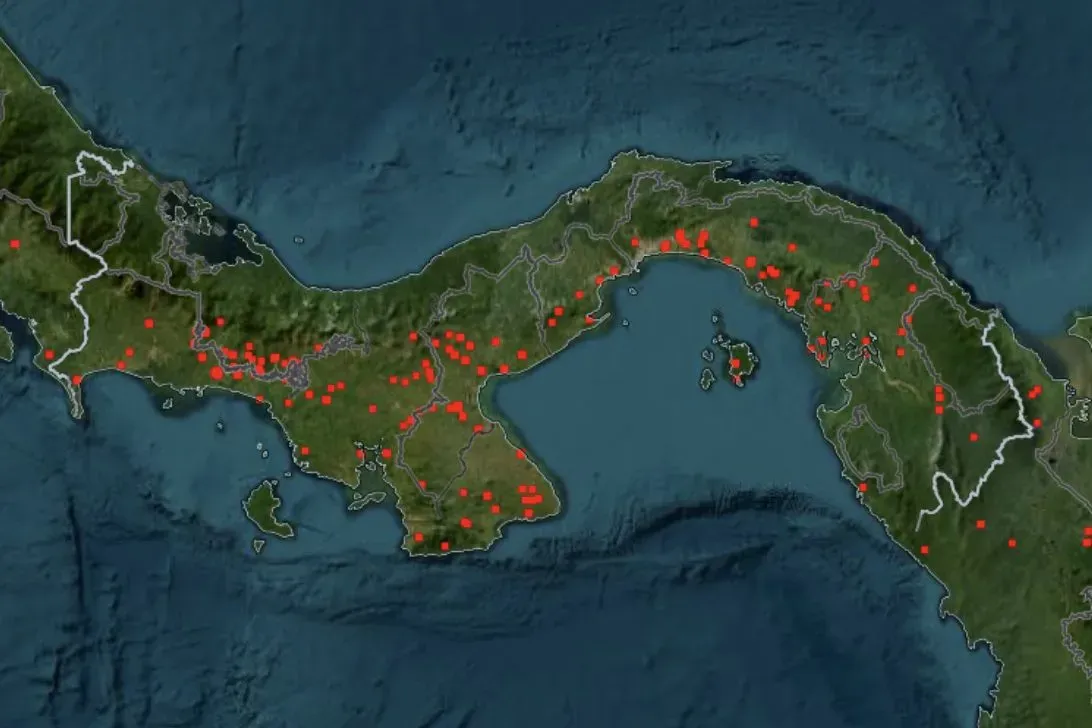
Panamanian fire officials report a dramatic increase in vegetation fires across the nation this year. The Panama Fire Department has responded to more than 500 incidents so far, a figure that nearly triples the 1,694 fires recorded for the entire previous year.
Each local fire station now handles between five and ten vegetation fires daily. Authorities directly link the surge to persistent cultural practices of burning land for cleaning, exacerbated by current dry and windy conditions.
Colonel Angel Delgado of the Panama Fire Department expressed serious concern about the trend. He emphasized that open burning is illegal and particularly dangerous now.
“This is definitely a concern for us, because people continue with the culture of burning as a primary cleaning method,” Delgado said. [Translated from Spanish] He added that burning garbage and expanding agricultural boundaries also contribute to the problem.
The colonel issued a direct appeal to citizens, stating all burns require professional advice and a permit from the relevant Environmental Directorate. Unauthorized burning of grasslands is a crime under the Penal Code, carrying potential prison sentences and administrative fines from the Ministry of Environment and local municipalities.
Satellite Technology Fuels Firefighting Strategy
To combat the crisis, firefighters are using a national heat map (satellite monitoring) system. This tool provides constant surveillance, identifying hotspots where temperatures exceed critical thresholds.
“The satellite performs constant monitoring and shows us the heat points,” Colonel Delgado explained. [Translated from Spanish] “When these appear in red, it means they exceed 50 percent temperature, which can indicate a vegetation fire or some burning or industrial activity.”
This early warning system allows for coordinated responses with the Ministry of Environment. It helps prioritize efforts by distinguishing between fires in forest reserves and those threatening residential areas, enabling faster and more effective deployments.
The situation has intensified near communities in recent weeks. In response, Panama’s National Civil Protection System (SINAPROC) issued a formal prevention notice for multiple regions. The alert, citing increased risk from current climatic conditions, remains active until March 25, 2026.
Regions under the warning include Chiriqui, the south of the Ngabe-Bugle region, Veraguas, Herrera, Los Santos, Cocle, Panama Oeste, Panama, Colon, Darien, and the Embera-Wounaan region. SINAPROC and the Institute of Meteorology and Hydrology maintain active vigilance.
Authorities urge the public to avoid all burning of trash or grasslands. They also warn against discarding cigarette butts in dry areas and lighting campfires in open or wooded zones. Residents conducting agricultural work should keep water and tools on hand to control any accidental fires.
Officials stress that reporting any fire or smoke column immediately is critical. They further recommend checking home electrical installations to prevent short circuits, a common ignition source. The fire surge highlights the ongoing challenge of changing traditional slash-and-burn agriculture methods amid increasingly volatile weather patterns.