


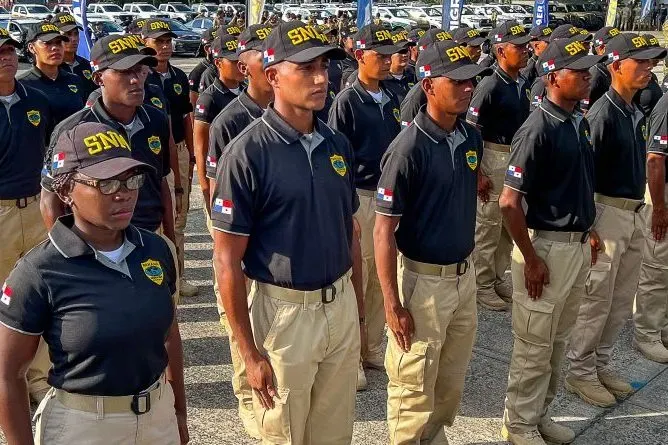
Panama’s National Migration Service has activated a special nationwide operation, deploying 989 agents as part of a broader “Safe Holy Week 2026” security strategy. The mobilization responds to a significant increase in traveler movement across the country during the holiday period, which began this weekend.
Personnel will be stationed at strategic points to reinforce immigration controls, verify the legal status of foreigners, and prevent illicit activities. The largest concentration of agents, 663, will focus on Panama City. Other key provinces receiving substantial deployments include Chiriquí with 69 agents, Colón with 56, Herrera with 47, and Coclé with 29.
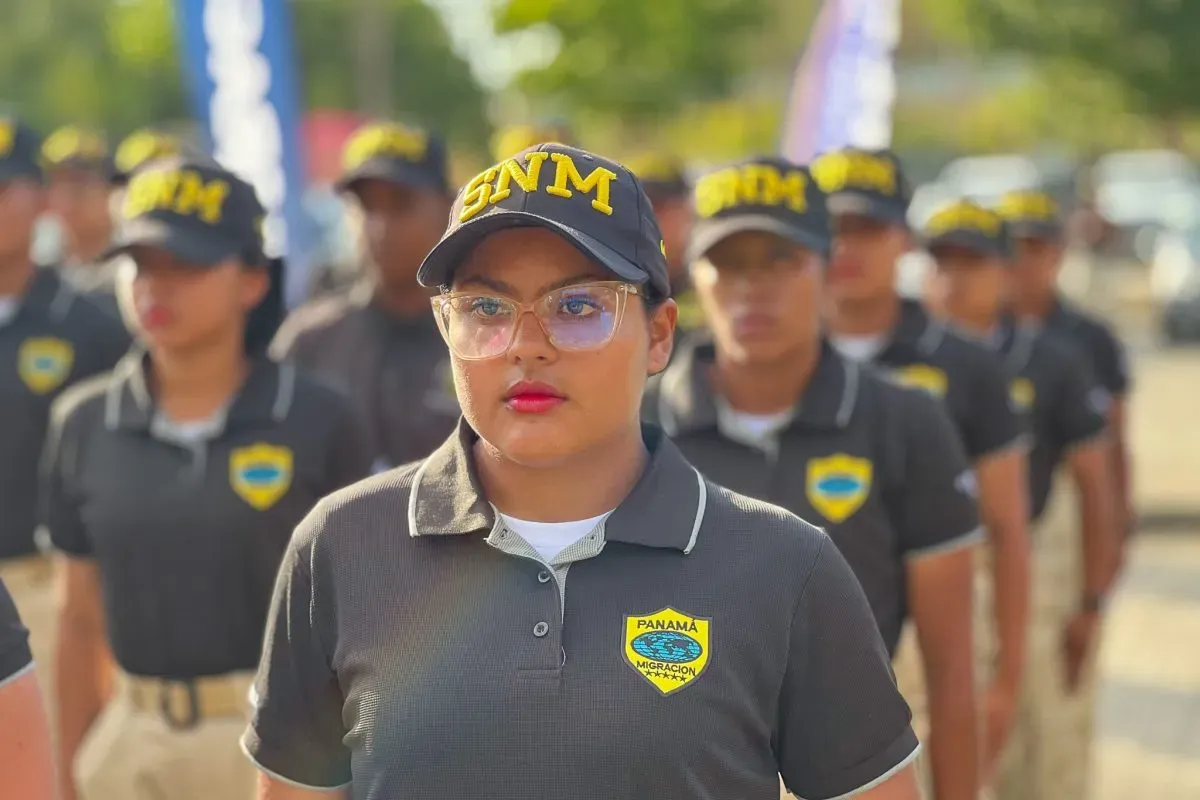
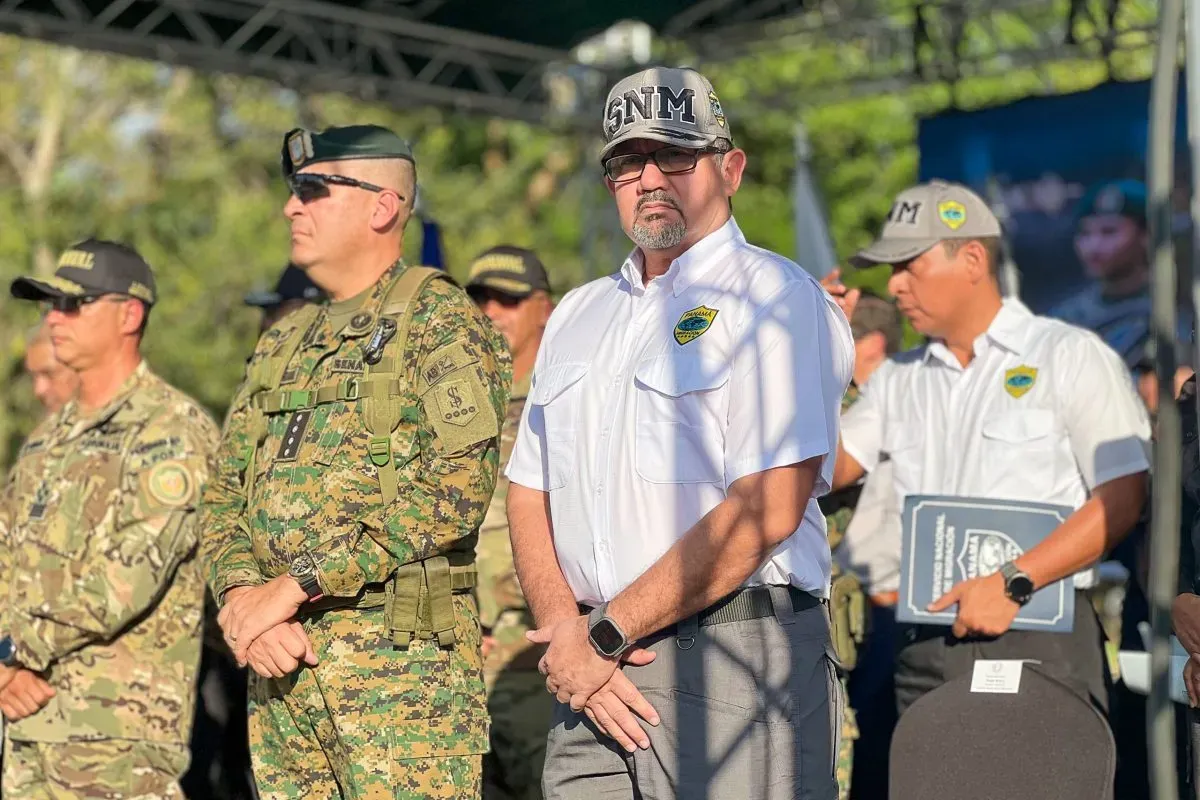
The operation is part of a wider interagency strategy led by the Ministry of Public Security (Panama), involving over 26,500 personnel from various security branches. Coordination includes the National Police, the National Border Service, the National Aeronaval Service, and the Unified Emergency Management System. The director of the National Migration Service of Panama, Roger Mojica Rivera, is overseeing the enhanced presence at terminals, airports, and checkpoints.
“This inter-institutional operation aims to guarantee security during Holy Week, maintaining order and compliance with current regulations for both nationals and foreigners,” authorities stated. [Translated from Spanish]
Coverage extends to additional regions with 28 inspectors in Veraguas, 25 in the crucial border province of Darién Province, 22 in Chepo, 21 in Los Santos, 17 in Bocas del Toro, and 12 units in Guna Yala. Officials say this distribution is a deliberate effort to cover high-traffic routes and sensitive border zones where irregular migration often occurs. The move follows other recent security operations, including a major crackdown by the servicio nacional on trafficking networks.
Coordinated Response to Seasonal Travel Surge
The annual holiday period sees a major spike in both internal travel and the arrival of international visitors. Security forces traditionally ramp up operations to manage the flow and deter crime. This year’s large-scale migration deployment underscores the government’s focus on border control and migrant verification as core components of public safety.
Roger Mojica Rivera’s agency seeks to strengthen its operational capacity during this peak time. The plan involves not just static checkpoints but also mobile patrols and surveillance. Their work complements efforts by partner forces like the servicio nacional aeronaval, which monitors coastal and maritime approaches.
For residents and tourists, the heightened visibility of migration and police units is the most immediate impact. Travelers can expect more frequent document checks, especially near transportation hubs and in border regions. The government hopes these measures will ensure a peaceful holiday season, supporting other logistical plans like the special semana santa/ easter week traffic detours in historic districts.
The “Safe Holy Week 2026” initiative will run through the end of the holiday. Its success, authorities suggest, depends on continuous inter-agency coordination and the flexible deployment of resources to address real-time situations across Panama’s diverse territory.