


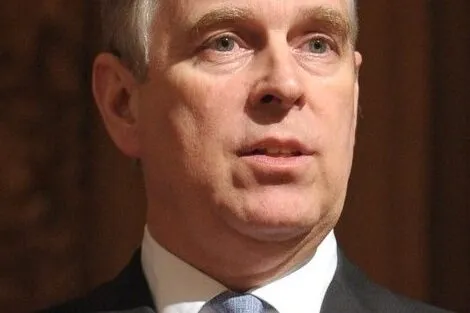
British authorities arrested Andrew Mountbatten-Windsor, the former Prince Andrew, at his home in Norfolk, England on Thursday. The arrest, part of an ongoing investigation into alleged misconduct in public office, has cast new scrutiny on his official overseas visits, including a 2010 trade mission to Panama. During that trip, he met with then-President Ricardo Martinelli and top business leaders while maintaining a close, and now infamous, private friendship with convicted sex offender Jeffrey Epstein.
Andrew visited Panama in February 2010 in his then-official capacity as the United Kingdom’s Special Representative for International Trade and Investment. His schedule included high-level government meetings and elite networking events designed to bolster commercial ties. Recent revelations from unsealed court documents, however, suggest that during this same period Andrew was allegedly sharing sensitive official information with Epstein, who had recently been released from prison for soliciting prostitution from a minor.
“The visit was seen as a diplomatic and commercial boost at the time. Today, the records of that tour could be analyzed through the lens of an investigation into alleged misconduct in public office and his links to the late New York financier.” [Translated from Spanish]
The trip began on Sunday, February 7, 2010. Andrew, then using the title Duke of York, was received by President Ricardo Martinelli at the Presidential Palace. His packed agenda over the following days included meetings with the ministers of Commerce and Economy, a luncheon with top executives at the Panama Pacifico special economic area, and discussions on anti-drug cooperation with then-Vice President and Foreign Minister Juan Carlos Varela.
A State Banquet and Shadowy Connections
The visit culminated with a formal state dinner in the Yellow Room of the Palacio de las Garzas, the presidential residence. President Martinelli hosted the event, which consolidated Andrew’s access to Panama’s political elite under the legitimizing banner of his royal title. Unbeknownst to the other guests, their honored visitor’s name was already entangled in the emerging Jeffrey Epstein scandal.
Epstein had been released from a Florida jail in July 2009 after serving just 13 months of an 18-month sentence. By February 2010, while Andrew was touring the Miraflores Locks, Epstein was on probation and registered as a sex offender. He was simultaneously reactivating his network of powerful contacts. Unsealed U.S. Department of Justice records indicate 2010 was a period of intense communication between the two men, with Andrew allegedly facilitating the transfer of sensitive British government documents to the financier.
This alleged abuse of his official “aura and access” for private benefit now forms a core part of the criminal case against him. Investigators are examining whether he used his position to improperly benefit Epstein or others connected to him.
Panama’s Link to a Global Scandal
The fallout from the Epstein affair has touched numerous global figures and locations. Panama’s connection extends beyond Andrew’s visit, with investigative reports also probing financial and property links between Epstein’s network and powerful Panamanians. A separate investigation has explored a private island allegedly connecting Epstein to former President Ricardo Martinelli.
Andrew’s arrest represents a dramatic fall. He was stripped of his military affiliations and royal patronages in 2022 and ceased using the title “His Royal Highness” in an official capacity. He also settled a civil sexual assault case in the United States that year, though he denied the allegations. The current criminal investigation in the UK, conducted by the Thames Valley Police, is a separate and more serious legal matter.
His meticulously scheduled Panama tour from sixteen years ago now serves as a potential piece of evidence. Each handshake and meeting photographed for the society pages is being re-examined by detectives. They are searching for any misuse of his taxpayer-funded role. The English punctuality that defined his 2010 agenda has finally run out in a British courtroom.
Panamanian journalist Eliana Morales, who first reported the details of Andrew’s visit, noted the stark contrast in perception. A trip once celebrated for its diplomatic sheen is now viewed through a prism of alleged criminality and association. The case continues to develop as UK authorities pursue their lines of inquiry, with Andrew’s connections to Prince Andrew, Duke of York remaining central to the probe.