


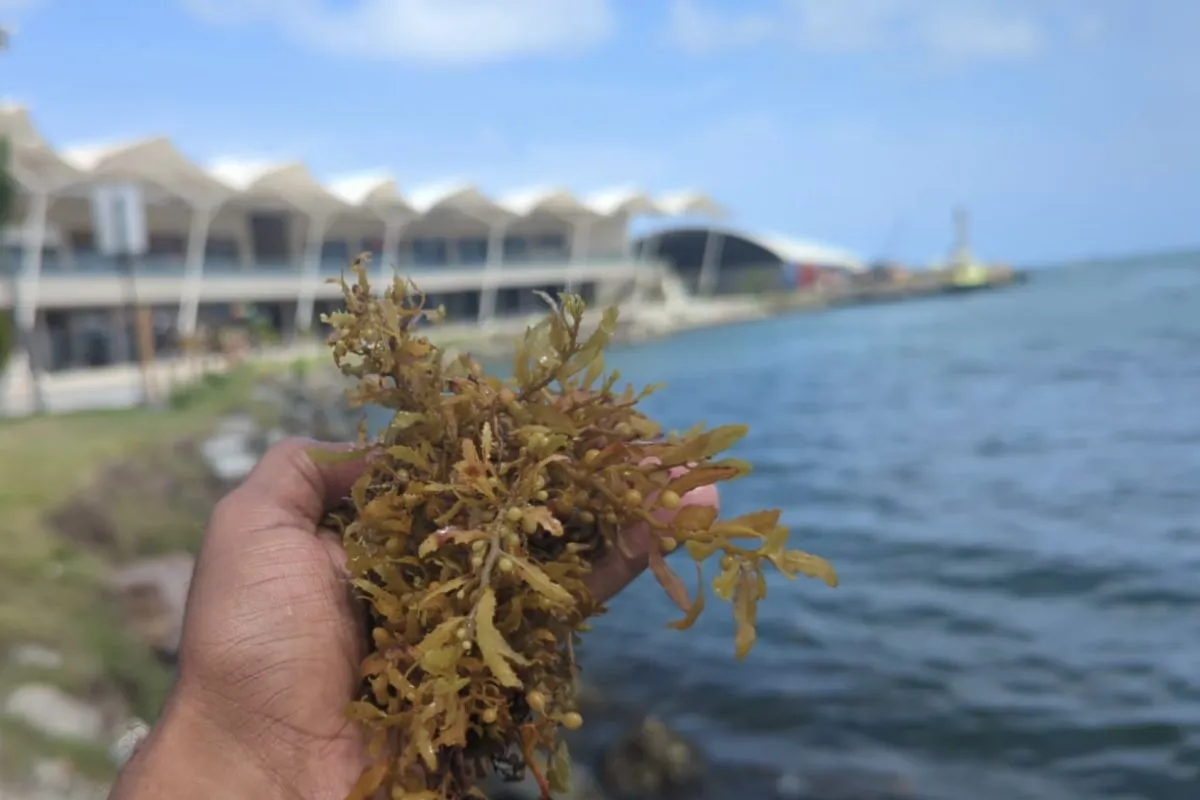
Panamanian environmental authorities are monitoring an unusual increase in sargassum seaweed along the nation’s Caribbean coastline. Experts warn the influx, while still infrequent for Panama, poses a significant threat to marine ecosystems and coastal communities. The phenomenon has been most concentrated in the province of Colon, according to recent field reports.
Biologist Noemi Leon explained that while sargassum plays a vital natural role in the open ocean, massive coastal accumulations become destructive. These dense mats block sunlight and deplete oxygen in the water as they decompose.
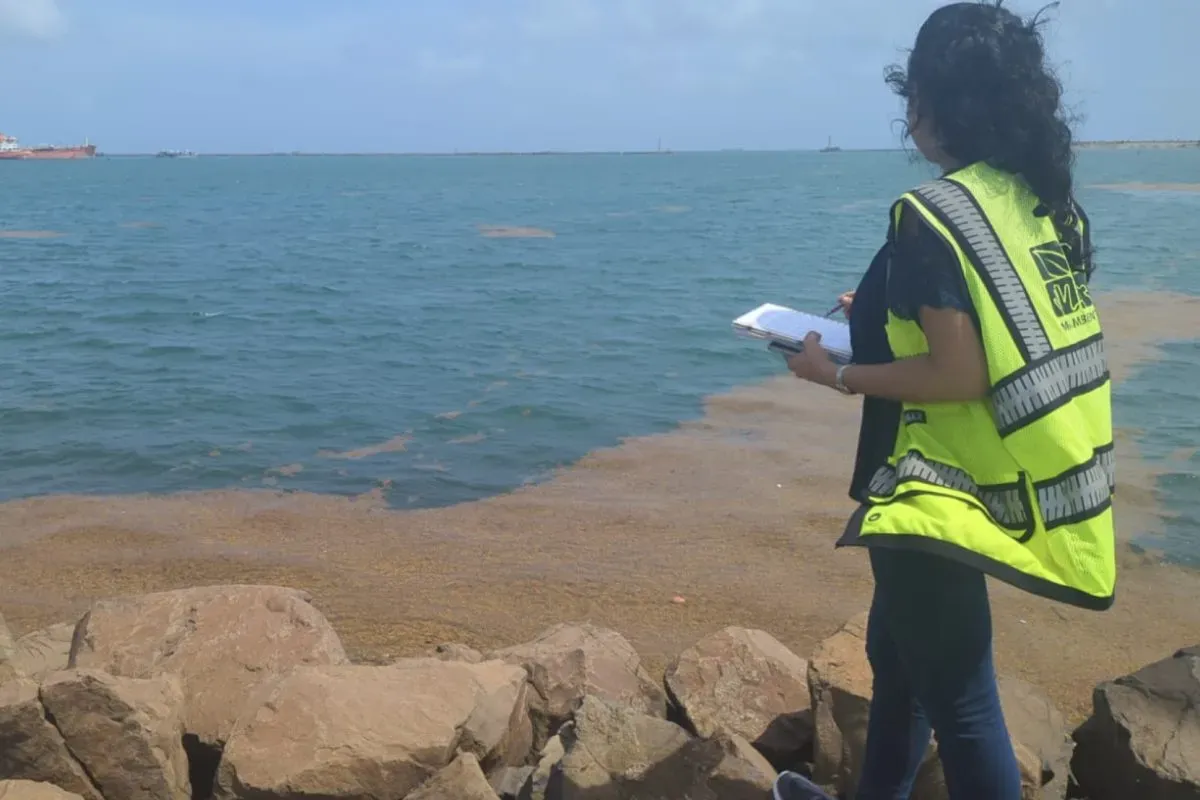
Ecological and Economic Impacts Documented
The affected regions include areas of Colon such as Costa Abajo and Costa Arriba. Reports have also come from the provinces of Bocas del Toro and Guna Yala. The seaweed alters beach conditions and directly threatens marine life. It also impacts economic activities like tourism, a key industry for these coastal zones.
Specialists directly link the proliferation to rising ocean temperatures. Warmer waters favor the algae’s rapid growth and facilitate its movement toward shorelines. This pattern aligns with larger-scale sargassum blooms observed across the wider Caribbean Sea region in recent years.
“It affects marine ecosystems because these accumulations block light and deplete oxygen, which can cause the death of many animals, including coral,” said biologist Noemi Leon. [Translated from Spanish]
The decaying seaweed releases hydrogen sulfide and other gases. These emissions create unpleasant odors and present public health concerns. Exposure can cause eye, skin, and respiratory tract irritation. It may also trigger allergic reactions and headaches for residents and visitors near affected beaches.
The situation remains under assessment. Panama’s experience with massive Sargassum arrivals is less common than in other Caribbean nations. The current increase has nonetheless triggered environmental alerts. Officials are tracking its progression and potential long-term effects on sensitive habitats like Coral reefs.